
Skin Balancing Solutions
Achieving balanced skin can be a challenge for many individuals, as factors such as genetics, lifestyle choices, and external influences can all impact the health and appearance of our skin. However, with the right skincare routine and products, it is possible to achieve a more balanced complexion.
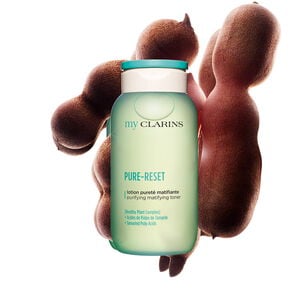


Skin Balancing Solutions
Skin balancing solutions are skincare products designed to help manage excess oil while maintaining hydration and comfort. They are particularly relevant to combination skin, where a shiny forehead, nose and chin can sit alongside cheeks that feel tight or look flaky. Oily skin can also lack moisture, so a balanced approach is not simply about choosing the most mattifying texture. It is about finding products that leave skin feeling supple and comfortable, with a finish that suits your preferences. Lightweight lotions, facial toners, hydrating serums and targeted masks offer different ways to address these contrasting needs without making your skincare feel complicated. If you recognise the frustration of a glossy nose paired with tightness around the mouth, this collection brings together the kinds of textures and benefits worth considering. A gel moisturiser may appeal if richer creams feel heavy, while a soft lotion can offer a little more cushioning without an overly rich finish. For skin that feels both shiny and delicate, gentleness matters just as much as oil management. Look for descriptions that explain whether a product provides hydration, helps absorb excess oil or supports the skin’s moisture barrier, rather than treating all balancing products as interchangeable. The finish matters, too: some people prefer a soft, matte feel, while others enjoy a subtle, hydrated sheen. Neither finish alone tells you how well moisturised your skin is. A useful starting point is the sensation you want from your skincare: smooth rather than slippery, cushioned rather than coated, and fresh rather than tight. Skin balancing products can suit anyone whose facial needs vary from one area to another, as well as those who prefer lighter textures across the face. The aim is a considered selection that works with those differences, rather than expecting every part of your complexion to need exactly the same thing.
Choosing between skin balancing formulas is easier when you look beyond the texture and consider what each product contributes. Humectants such as glycerin and hyaluronic acid attract water and are useful ingredients to look for when skin feels thirsty but does not welcome a rich cream. Emollients help soften rough-feeling areas, while barrier-supporting ingredients can be relevant where dryness and discomfort are part of the picture. Niacinamide appears in formulas intended to support the moisture barrier and improve the appearance of excess shine, although the complete formulation matters more than any single ingredient. Clay-based masks offer another option for areas that look particularly oily; their oil-absorbing character makes them a different proposition from a hydrating mask designed to leave skin feeling plump and supple. Exfoliating formulas containing salicylic acid may appeal to those concerned with blemishes and uneven texture, but suitability depends on the product, its strength and your skin’s tolerance. More active ingredients do not automatically mean a better match. For sensitive skin, fragrance-free options and clear suitability information can help narrow the choice, particularly if fragranced products tend to cause discomfort. Facial washing products deserve the same attention as serums and moisturisers, since an unpleasantly taut feeling is not the goal. Explore skin balancing face washes for options to complement the rest of your selection, paying attention to texture, rinse-off feel and the skin types described. A facial toner is a separate consideration: it may offer light hydration or other targeted benefits, depending on its ingredients, but it is not an essential purchase for everyone. Comparing products by their intended role helps distinguish a genuinely useful addition from something that simply repeats the function of another formula. The most satisfying selection is often one in which each product has a clear purpose and the combined textures feel comfortable on your skin.
Practical details can make a meaningful difference to the enjoyment of skin balancing skincare. If you dislike any sense of residue, a fluid serum or gel-cream may feel more appealing than a dense balm. If your cheeks have a papery feel even though your forehead looks glossy, a lotion with a softer, more enveloping texture may suit those areas better. There is no requirement to use an identical amount across the whole face: some formulas lend themselves to a lighter application over the centre and a more generous layer where skin feels dry, provided this follows the product directions. Equally, a mask intended for excess oil may be more relevant to the nose and chin than to already dry cheeks. This kind of selective use makes sense for combination skin, where the contrast between different areas can be quite pronounced. Packaging, size and value are also worth weighing up. A pump may appeal if you like measured dispensing, while a tube can be convenient for a wash bag. Compare the amount supplied as well as the price, and consider whether the texture and application style are genuinely appealing enough to earn a place in your skincare selection. Sets can be attractive where the contents address complementary needs, but their value depends on whether each included product suits the recipient. Skin balancing skincare can make a thoughtful gift for someone who has expressed a preference for lightweight hydration, a matte finish or products for combination skin. Choosing around their stated tastes feels more personal than making assumptions about their complexion. Familiar texture preferences, fragrance sensitivities and favoured packaging are useful clues, especially for someone who enjoys beauty but is particular about how products feel. For your own selection or a gift, the strongest purchase considerations remain skin type, comfort, ingredients, finish and ease of use. Together, these details help you choose skin balancing solutions that make sense for the person using them, with hydration and oil management treated as complementary needs rather than opposing goals.

