
Skin Treatment Lotions
Skin treatment lotions are a popular choice for those looking to improve the health and appearance of their skin. These lotions are designed to provide hydration, nourishment, and healing properties to the skin, helping to address a variety of concerns such as dryness, acne, ageing, and more.


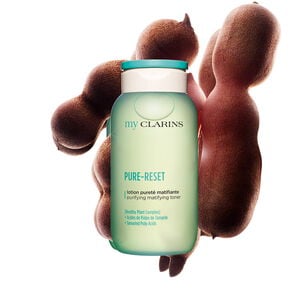


Skin Treatment Lotions
Skin treatment lotions are leave-on skincare products designed to hydrate, soften and improve the feeling of comfort in the skin. Depending on their formulation, they can help relieve the sensation of dryness or tightness, support the skin’s protective barrier and leave its surface feeling smoother and more supple. The term covers several textures, from fluid facial treatment lotions that sit comfortably beneath a serum or moisturiser to milkier lotions intended to moisturise the face or body. A facial treatment lotion is often lighter than a cream, making it appealing to anyone who enjoys hydration without a rich, enveloping finish. Its role is not necessarily to replace a moisturiser: a fluid lotion can provide a hydrating layer, while a cream helps retain moisture and adds cushioning comfort. This distinction is useful when cheeks feel taut but a heavier texture feels excessive across the forehead or chin. The most suitable choice depends on the area being treated, the skin’s sensitivity and the finish that feels pleasant to wear. Dry skin may favour a lotion with a silky, emollient feel, whereas combination skin may prefer a more fluid texture that leaves little residue. Skin that feels easily unsettled calls for particular attention to the ingredient list and the stated suitability of the formula, rather than assumptions based on the word ‘treatment’. In skincare, that word describes a product’s intended cosmetic purpose; it does not mean every lotion is a medicine or suitable for a diagnosed skin condition. Facial treatment lotions also differ from facial toners, although their textures can look similar. A toner may focus on refreshing the skin or addressing surface oil, while a treatment lotion often places greater emphasis on hydration and comfort. Individual product descriptions remain important because these categories can overlap. For anyone comparing skin treatment lotions, the clearest starting point is the intended application area, followed by the hydration level, texture and concerns the formula is designed to address.
Ingredients help explain why one skin treatment lotion feels featherlight and another leaves a softer, more cushioned finish. Humectants such as glycerin and hyaluronic acid attract and hold water, helping the skin feel hydrated and look more plump. Emollients soften the skin’s surface and improve its feel, making them particularly relevant where dryness leaves cheeks or limbs feeling rough. Ceramides are lipids found in the skin’s protective barrier and are used in some skincare formulas to help support that barrier. Richer ingredients, including shea butter, can add a more enveloping texture, although their suitability depends on the complete formulation rather than a single ingredient. A balanced lotion brings these elements together in a texture suited to its intended use. For example, someone with tight-feeling cheeks might appreciate a hydrating facial lotion beneath a moisturiser, while someone seeking comfort for dry shins may prefer a body lotion with more slip and cushioning. A body lotion should not automatically be treated as a facial product; the label should confirm whether it is suitable for the face. Fragrance is another consideration, especially for skin that reacts easily to scented products. Fragrance-free formulas may be preferable for some people, but that description alone does not guarantee that a lotion will suit every sensitive complexion. Likewise, a lightweight feel does not by itself establish suitability for blemish-prone skin. The full formulation, the product’s stated purpose and personal tolerance all matter. Testing a small amount on a discreet area, in line with the label’s advice, can help assess suitability before broader application. Persistent irritation, soreness or a suspected skin condition deserves advice from a pharmacist or qualified healthcare professional rather than reliance on cosmetic claims. For a wider view of textures within this category, Premium Skin Lotions offers a related skincare selection to explore. A premium lotion should still be considered in practical terms: how it feels, where it is intended to be applied and how comfortably it fits alongside other skincare.
The appeal of a treatment lotion lies as much in its texture and application as in its ingredient profile. A fluid facial lotion can spread in a thin, even layer without the weight of a cream, while a milky lotion offers a more tactile sense of softness. Neither finish is inherently preferable; the right fit is the one that addresses the skin’s needs without leaving it feeling sticky, overloaded or insufficiently moisturised. On the face, gentle pressing or smoothing may be appropriate where the product directions allow, with particular care around delicate areas. Some fluid lotions are intended for application with the hands, while others may specify a cotton pad, so the packaging instructions take priority over a universal method. For body lotions, a texture with good slip makes it easier to distribute the product across larger areas without vigorous rubbing. Slightly damp skin can suit the application of some moisturising lotions, but this is not a rule for every treatment formula, particularly those with specific application requirements. Compatibility with other skincare is equally relevant. A lotion that layers comfortably beneath a serum or cream should leave the combination feeling pleasant rather than thick or prone to rolling into small flakes. More product does not necessarily mean more comfort; the amount advised on the label is a useful reference. Packaging contributes to ease of use, whether a bottle dispenses a controlled splash of fluid or a pump delivers a measured portion of a creamier lotion. Keeping the closure secure and following the stated storage directions helps protect the product, while avoiding contact between the dispensing opening and the skin supports hygienic handling. As a gift, a skin treatment lotion is most thoughtful when the recipient’s texture and fragrance preferences are known, especially if their skin is sensitive. For personal use or gifting, a well-matched lotion brings together appropriate hydration, a comfortable finish and straightforward application, making it a considered addition to facial or body care without asking one product to meet every skincare need.

