
Premium Skin Lotions
Premium skin lotions are a popular choice for those looking to pamper their skin with high-quality ingredients and luxurious formulas. These lotions are often formulated with premium, top-of-the-line ingredients that are known for their nourishing and hydrating properties.


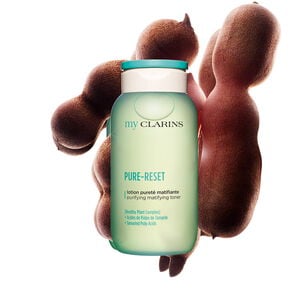


Premium Skin Lotions
Premium skin lotions bring together hydration, a refined texture and a comfortable finish, offering a lighter alternative to many rich creams without making skin feel underdressed. The term covers several types of skincare: fluid moisturising lotions for the face, generous body lotions and treatment lotions designed to complement a facial moisturiser. Their shared appeal lies in how easily they spread and how they leave skin feeling soft, supple and cared for. What distinguishes one lotion from another is not simply its richness, but the balance of its ingredients, its intended purpose and the sensation it leaves on the skin. A milky facial lotion might suit someone who enjoys a cushioned feel without a heavy coating, while a fluid body lotion can make application across arms, legs and shoulders feel effortless. For skin that feels tight or looks dull, a moisturising lotion may help improve comfort and give the surface a smoother, more luminous appearance. Skin with an oily feel can also benefit from hydration, although a lighter texture and a less glossy finish may be more appealing. Combination skin calls for a balance that feels comfortable across both drier cheeks and a shinier forehead or nose. The word premium describes a positioning rather than a universal measure of performance, so the most meaningful qualities are the formula’s suitability, the finish and the pleasure of application. A beautifully textured lotion should feel right for its wearer, whether that means a barely perceptible veil or a more enveloping layer. Packaging has a practical role, too: a pump can make a fluid body lotion easier to dispense, while a controlled opening can help with a thinner facial treatment lotion. Together, these details shape a skincare experience that feels considered rather than complicated, with comfort and compatibility taking precedence over an elaborate description.
The ingredients in premium skin lotions help explain these differences in feel and function. Humectants such as glycerine and hyaluronic acid attract and hold water, helping the skin’s surface feel hydrated. Emollients soften and smooth, lending a lotion its silky glide, while ingredients that form a protective layer can help limit moisture loss. Ceramides are another familiar feature in moisturising skincare, valued for their role in supporting the skin’s moisture barrier. The presence of an ingredient alone does not establish how a lotion will perform; its place within the complete formula matters, as does the way that formula suits the person wearing it. A lotion with a light, flowing consistency can still offer meaningful hydration, while a thicker texture does not automatically make a formula more suitable for every kind of dryness. For someone whose shins feel rough or whose elbows need extra softness, a body lotion with a more substantial emollient feel may be especially appealing. Someone who dislikes a noticeable film on their arms may prefer a satin finish with less slip. Facial skin can have different preferences from skin on the body, which makes the stated area of use an important distinction. A body lotion is not automatically suitable for the face, and a watery facial treatment lotion may be designed as a supporting layer rather than a replacement for moisturiser. Fragrance is another personal consideration. A delicately scented lotion can add a sensory dimension to body care, whereas a fragrance-free option may appeal to someone who prefers an understated experience or whose skin is sensitive to fragrance. Neither scent nor texture can establish suitability for sensitive skin on its own; the full ingredient list and the product’s stated purpose provide more useful context. For a closer focus on supple-feeling skin and comforting textures, Skin Nourishing Lotions brings that preference into view. The appeal is skin that feels comfortably moisturised, with a finish that suits personal taste.
Intended use gives premium skin lotions a clear place within a skincare collection. Facial moisturising lotions centre on hydration and comfort for the complexion, while facial treatment lotions can offer a delicate, fluid layer alongside other skincare. Body lotions lend themselves to broader application, with textures that glide across larger areas without demanding the concentrated richness of a balm. The distinction is particularly useful for anyone who loves the softness of a cream but prefers something easier to spread, or who wants a more generous feel than a weightless gel. Application instructions are part of that suitability: some formulas are intended for use with the palms, others with a cotton pad, and the correct amount depends on the texture and the area being treated. A lotion should spread without vigorous rubbing, and an appealing finish might be velvety on the legs, silky across the shoulders or discreet on the face. Keeping the closure secure and the dispensing opening free from residue helps care for the formula and its packaging; any storage directions on the label also deserve attention. For skin prone to reactions, testing a small amount on a limited area in line with the label’s advice is a sensible precaution, rather than assuming that a luxurious texture guarantees compatibility. Premium lotions can also make thoughtful beauty gifts when the recipient’s preferences are understood. A person who enjoys softly scented body care may appreciate a different texture from someone who favours fragrance-free facial skincare, and a familiar format can feel more personal than an unfamiliar, highly specialised treatment. The pleasure is in details that match the recipient: an easy-to-hold bottle, a measured dispenser, a gentle glide and a finish that feels comfortable against clothing. Across facial and body care, a well-matched lotion offers an inviting balance of function and sensory appeal. Hydrated, softer-feeling skin remains the central purpose, supported by a texture that makes the product enjoyable to use.

