
Makeup For Radiant Complexion
Achieve a glowing, luminous look with makeup for radiant complexion. Discover a range of expertly crafted cosmetics designed to enhance your skin's innate beauty and create a flawless finish. From illuminating foundations to shimmering highlighters, these products work harmoniously to give you that coveted lit-from-within glow. Perfect for any occasion, makeup for radiant complexion will leave you looking fresh, vibrant, and effortlessly radiant. Explore the selection and find the perfect additions to your beauty routine.



Makeup For Radiant Complexion
Makeup for a radiant complexion brings together luminous finishes, flattering colour and coverage that lets the character of the skin show through. Rather than relying on sparkle alone, this look combines a softly even base with carefully balanced highlights, creating brightness across the cheeks without making the whole face appear shiny. Foundations, concealers, blushers and highlighters each contribute something different: foundation unifies the complexion, concealer offers focused coverage, blusher adds warmth or freshness, and highlighter catches the light where facial contours lift. The right balance depends on the finish preferred, whether that is a barely perceptible veil of colour, a satin base with softly glowing cheeks, or fuller coverage with a polished sheen. Sheer foundation allows freckles and variations in skin tone to remain visible, while buildable coverage offers more flexibility around redness or uneven patches. A luminous finish need not mean a wet-looking surface; finely dispersed light-reflecting pigments can give a gentle glow that feels understated rather than glittery. Shade and undertone matter just as much as texture. A foundation that blends convincingly along the jaw helps the face and neck look harmonious, while a complementary concealer avoids creating an obvious pale patch beneath the eyes. Pink, golden, peach and neutral undertones can all influence how a shade sits against the complexion. For someone who prefers minimal makeup, a lightweight base with a little cream blusher may provide enough definition. For a more dressed-up look, medium coverage paired with a restrained highlight can feel refined without appearing flat. A radiant complexion is not tied to one level of coverage or one makeup style: its appeal lies in the relationship between an even-looking finish, dimensional colour and light. Choosing textures that sit comfortably together helps preserve that balance, whether the desired result is fresh and translucent or smooth and softly sculpted. The aim is a complexion that looks considered yet effortless, with makeup enhancing facial features rather than masking their individuality.
Texture makes a noticeable difference to both the feel and appearance of radiance-boosting makeup. Liquid foundations can offer a fluid, flexible layer, while cream textures give a more cushioned feel and allow colour to blend softly at the edges. Powder formulas can also belong in a luminous makeup collection, particularly where a satin finish is preferred to a dewy one. Their role is not necessarily to remove every trace of sheen; a finely milled face powder can soften excess shine around the nose or centre of the forehead while leaving the cheeks looking bright. Dry-feeling skin may suit supple liquid and cream makeup that does not emphasise flaky patches. An oily complexion may favour lighter textures and a more selective use of illuminating finishes, with glow concentrated on the cheekbones rather than spread across the entire face. Combination skin often benefits from this contrast between a softly set centre and more lustrous outer areas. Concealer is particularly useful where extra coverage is wanted without a heavier foundation layer everywhere. A flexible texture can soften the appearance of shadows beneath the eyes, while a closer shade match is useful for covering individual blemishes or redness beside the nose. Highlighter offers another way to tailor the result. Pearl, champagne, rose-gold and bronze tones create different effects depending on skin depth and undertone, and a shade that looks luminous on one complexion may appear too pale or too warm on another. Fine shimmer tends to create a diffused gleam, whereas more visible particles deliver a decorative sparkle. Blusher brings a different kind of radiance, giving the face colour rather than reflection alone. Peach can add gentle warmth, rose can suggest a fresh flush, and richer berry or terracotta shades can lend depth and definition. Cream blusher often merges softly with a dewy base, while powder blusher can give controlled colour over a satin foundation. These differences make finish, pigment strength and ease of blending useful considerations alongside the shade itself, especially for anyone who wants makeup that can be adapted without building up a thick surface.
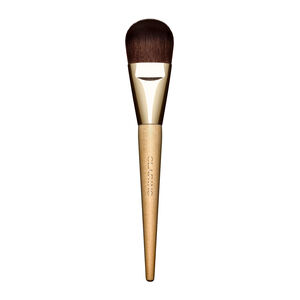
The appeal of complexion makeup also lies in how easily it fits individual preferences and occasions. A softly luminous foundation and muted rose blusher can look discreet for a professional setting, while a more defined cheek highlight can bring dimension to makeup worn for a celebration or a portrait photograph. Strong overhead lighting may exaggerate reflective particles, whereas softer lighting can make a delicate sheen appear almost imperceptible, so the desired effect matters more than simply choosing the most luminous finish. Makeup that feels comfortable, blends without obvious edges and resists transferring onto clothing offers practical advantages alongside its appearance. Coverage should be considered with movement in mind too: a flexible base can look more flattering around expressive areas than a dense layer that gathers in creases. Tools influence the result without needing to make application elaborate. A damp makeup sponge can soften visible edges and give a diffused finish; a foundation brush offers more controlled placement; fingertips can help a cream texture blend closely against the skin. For powder highlighter or blusher, a soft, loosely packed brush distributes a lighter veil of pigment, while a denser brush gives more concentrated colour. Tool care matters for consistency, since traces of other shades can alter the colour and finish being applied. Brushes and sponges should be washed according to their care instructions and allowed to dry fully, with makeup containers kept securely closed and stored as directed on their packaging. Format is another useful consideration: a compact can be convenient for a handbag, while a liquid dispenser can offer control over the amount used. For gifting, familiarity with the recipient’s preferences is especially helpful. Someone who loves understated makeup may appreciate soft colour and a satin sheen, whereas a person drawn to expressive looks may favour richer blush tones and a more pronounced highlight. Complexion shades require a close match, making knowledge of skin tone and preferred coverage important. Across these choices, radiant makeup is most convincing when colour, texture and reflection work together, giving the face a flattering sense of light without obscuring the skin beneath.

