
Youthful Skin Foundations
As we age, our skin tends to lose its youthful appearance due to a variety of factors such as sun exposure, genetics, and lifestyle choices. However, with the right foundation, you can help restore a more youthful appearance to your skin.


Youthful Skin Foundations
The appeal of foundations for youthful-looking skin lies in a complexion that looks supple, fresh and full of light, with enough coverage to soften unevenness without hiding every individual detail. A flattering base allows the character of the skin to show through: freckles can remain visible, cheeks can retain their dimension, and the face can look polished rather than heavily covered. The right balance depends on the desired result, whether that is a sheer veil of colour, a satin finish with a little more coverage, or a softly radiant base that gives the complexion a luminous appearance. Sheer foundations tend to soften differences in tone while leaving more of the skin visible. Medium coverage offers greater uniformity without necessarily looking opaque, while fuller coverage can create a more perfected canvas when applied with restraint. Texture matters as much as coverage. Fluid foundations can spread into thin, even layers, while creamier textures offer a more cushioned feel and greater precision over selected areas. Compact formats can suit those who prefer a contained application, although the finish depends on the individual formulation rather than the packaging alone. Light-reflecting pigments may lend brightness to the high points of the face, whereas a satin finish offers a gentler sheen without obvious shimmer. Soft-matte options can also belong within this look, particularly when excess shine distracts from an otherwise smooth base. Youthful-looking make-up need not mean a glossy finish; a velvety complexion with subtle dimension can feel equally fresh. What matters is the relationship between coverage, texture and the skin beneath. A foundation that remains flexible across the cheeks and around the mouth can look more flattering than a dense layer that appears separate from the face. For anyone drawn to an understated result, the aim is a base that softens visible unevenness while preserving expression, rather than creating a completely uniform mask. The distinction is especially noticeable around the nose, chin and mouth, where a small amount of well-blended coverage can look more convincing than a thick coating across the whole face.
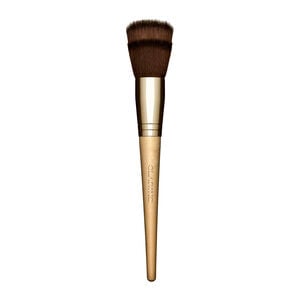
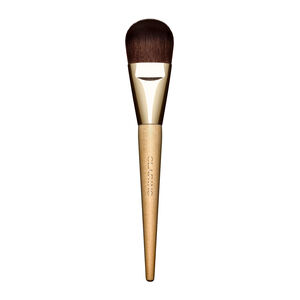
Shade and undertone have a considerable influence on how fresh foundation appears. A close match helps the colour sit comfortably alongside the neck and upper chest, avoiding an obvious border beneath the jaw. Depth describes how light or deep a shade is, while undertone relates to the pink, golden, peach, olive or more balanced notes within it. Two foundations with a similar depth can look quite different on the face if their undertones differ. A shade that is too pink may appear separate from a golden complexion, while an overly yellow shade can look noticeably sallow against cooler colouring. For deeper complexions, a well-judged undertone helps maintain richness without leaving a grey-looking cast. A fresh finish comes from harmony rather than choosing a shade that is lighter than the skin. Lighting also changes the impression of colour: a match that appears convincing beneath a dressing-table light may look different beside a window. Beyond shade, skin feel helps distinguish suitable textures. Where the cheeks feel dry or make-up catches on rough patches, a creamy, comfortable foundation can give a softer appearance. Where shine is more prominent across the forehead, nose and chin, a satin or soft-matte texture may provide the preferred balance. Combination skin can call for a lighter application across some areas and more deliberate coverage elsewhere, rather than the same amount across the entire face. The method of application contributes to the result, too. A dense brush can offer controlled placement, a lightly dampened sponge can soften visible edges, and fingertips can help spread a fluid texture into a fine veil. Each approach suits a different preference for coverage and handling. Thin layers offer more control over the finished effect, particularly where only a little extra coverage is wanted. This selective approach leaves the clearer areas of the face less covered, keeping the overall impression light without requiring every part of the complexion to look identical.
Comfort and the way a foundation behaves on the skin are just as relevant as its appearance in the bottle. Pigments provide colour and coverage, while the surrounding blend of ingredients influences slip, softness and how the finish settles. Some textures feel almost weightless; others have a richer, more enveloping feel. Transfer resistance can be useful where make-up might brush against clothing, although the result depends on the formula, the amount applied and how it is set. A supple finish is particularly appealing around expressive areas, where a rigid-looking layer can make texture more noticeable. Powder can refine shine or help secure coverage, but its placement changes the overall effect: a light dusting across the centre of the face preserves more luminosity on the cheeks than an opaque layer applied everywhere. Foundation also forms the backdrop for other colour cosmetics. A sheer base can allow a cream blush to look softly diffused, while a satin canvas can complement a more defined lip or eye look without competing for attention. For photographs, a balanced finish can help the face retain dimension, with brightness on the cheekbones and a softer sheen around the nose. Those who prefer barely visible make-up may gravitate towards lightweight coverage, while anyone seeking greater polish can favour a more perfected finish with carefully blended edges. The Foundations For Fresh Looking Skin collection offers a related way to explore this emphasis on a bright, even-looking complexion. Practical details matter as well: a secure cap, a dispenser that allows controlled amounts, and a format that fits comfortably in a make-up bag can all shape the experience of using a foundation. Following the packaging’s storage directions, keeping applicators washed and allowing them to dry thoroughly supports careful handling. Together, shade accuracy, comfortable texture and considered coverage create a foundation finish that looks polished, expressive and recognisably like skin.
