
UV Defence Creams
Ultraviolet (UV) radiation from the sun can cause damage to our skin, leading to premature ageing, sunburn, and an increased risk of skin cancer. In order to protect our skin from these harmful effects, it is important to use UV defence creams.


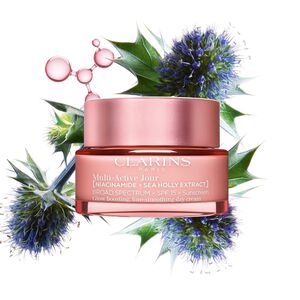


UV Defence Creams
UV defence creams bring sun protection into facial skincare, with textures that range from light and fluid to rich and cushioned. The two details that tell you most about the protection are the SPF and the UVA marking. SPF mainly indicates the level of protection against UVB rays, while a separate UVA marking gives information about protection against UVA rays. On packaging in the UK, that might be the letters UVA inside a circle or a star rating. A broad-spectrum cream is designed to protect against both types of UV; neither the thickness of the cream nor the finish it leaves can tell you that. The ingredients list offers a different sort of information. Some creams use mineral UV filters such as zinc oxide or titanium dioxide, while others use different filters or a combination. The filter type alone is no guarantee of how the cream will feel: the base helps determine how easily it spreads, how much it softens the skin and whether the finish is more matte or dewy. A fluid cream can suit skin that feels weighed down by richer textures, while a cream with more slip may feel more comfortable across dry cheeks. Skin that feels dry at the sides of the face but looks shiny along the forehead and nose may suit a soft finish that sits somewhere between powdery and glossy. The way a cream looks on the skin matters, too. If a formula leaves a pale cast, it may show more clearly on deeper skin tones or at the hairline and along the jaw. A sheer finish is often a more comfortable choice for someone who dislikes a visible layer of cream. Where there is a chance to try a texture, a small amount along the jaw can give a better sense of its finish than the back of the hand, though that dab is not enough to provide the protection stated on the pack.
A cream that spreads evenly without much rubbing makes it easier to cover areas such as the sides of the nose, the jaw and the hairline. The packaging should explain which areas the formula is suitable for, how much to apply and how to reapply it. Someone choosing a cream for the face and neck may appreciate a texture that smooths readily over both, particularly around the collar where a rich cream can feel tacky. A facial cream can sit over a separate moisturiser if the skin needs more comfort, but blending the two together in the palm can make the layer of UV protection less even. A soft finish that feels pleasant on the cheeks is one consideration; how the cream holds up to water and rubbing is another. A water-resistant formula can be useful for swimming or exercise, without being waterproof. Towelling the face or rubbing it with a sleeve can remove some of the cream, so the reapplication directions matter even for a water-resistant formula. For a cream that usually stays on the bathroom shelf, a pump can be easy to handle without scooping cream from a jar. A squeeze tube with a cap that fastens securely may make more sense for a swimming bag, especially if it shares a pocket with goggles and a damp towel. A tube also makes it easy to squeeze out more cream for the neck without taking off a separate lid if it has a flip cap. Whatever the pack, keeping the cap firmly shut and storing the cream as directed helps keep the contents in good condition. The amount that feels pleasant in a small dab is not always as comfortable across the whole face, which is where a formula with good slip can make a difference. If friction is a concern, a cream that spreads without dragging may be a better fit than a thicker texture that needs more working in.
Choosing between UV defence creams often comes down to what the wearer wants from the rest of their skincare. Someone who is happy with a separate moisturiser might prefer a light facial sun cream that layers over it without feeling heavy. Someone who prefers fewer layers may favour a fuller cream that leaves the cheeks feeling soft as well as providing labelled UV protection. The Daily Protection Creams selection is a useful point of comparison for shoppers who like the feel of a moisturising face cream and want to compare finishes alongside SPF and UVA information. Fragrance is another practical consideration. A fragrance-free cream may suit someone who dislikes scented facial skincare, although that description alone does not guarantee that a formula will agree with sensitive skin. Where a particular ingredient is known to cause discomfort, the full ingredients list is more useful than a description of the texture. A UV defence cream can also make a thoughtful gift for someone whose skincare preferences are familiar. A keen swimmer might appreciate a water-resistant cream in a secure tube, while someone who dislikes shine may be happier with a lighter cream that leaves a soft matte finish. For a friend who prefers fragrance-free skincare, that preference is a better starting point than assuming a richer cream will feel more special. If the recipient is particular about how facial creams feel, knowing whether they like a barely there layer or a more emollient finish can help narrow the choice. Whether the cream is a gift or a personal choice, it helps to consider protection, texture and intended use together: a cream that looks good in a small swatch also needs to feel comfortable over the full area where it will be worn.
