
Softening Face Cleansers
Discover gentle care for your complexion with softening face cleansers designed to leave your skin feeling refreshed and comfortable. These formulas effortlessly lift away impurities and traces from the day, helping to maintain a smooth, supple feel. Perfect for those seeking a delicate touch, softening cleansers support your daily beauty routine by nurturing your skin’s natural balance. Enjoy a sensorial cleansing experience that prepares your face for the next steps in your skincare ritual.


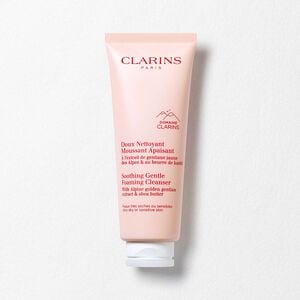


Softening Face Cleansers
Softening face cleansers are designed to leave skin feeling clean, comfortable and supple rather than tight or stripped. They can be a thoughtful choice for anyone who notices roughness, flaking or a dry sensation after washing, as well as those who simply prefer a softer, more cushioned finish. A well-chosen cleanser removes make-up, daily impurities, excess oil and perspiration while helping the complexion retain the comfort it needs. Look for gentle textures such as creamy lotions, milky emulsions, balms or low-foaming gels, depending on your personal preference. Ingredients commonly associated with a softening effect include hyaluronic acid, which helps attract moisture to the skin’s surface; ceramides, which support the feel of the moisture barrier; and mild acids such as lactic acid, which can help loosen dull surface cells without the feel of a vigorous scrub. A cleanser containing nourishing emollients may suit dry or delicate-feeling skin, while a lightweight gel can be more appealing to combination complexions that want freshness around the forehead, nose and chin. If sensitivity or visible redness is a concern, choose a simple formula with a gentle cleansing base and avoid layering it with several strong exfoliating products. Fragrance preferences also matter: a softly scented cleanser can make washing feel like a comforting ritual, while an unperfumed option may be more suitable for skin that reacts easily. Those who enjoy a thorough evening routine may use a softening cleanser after removing eye and face make-up, while a lighter cleanse can be enough when the skin has little product or make-up on it. For a broader selection of everyday options, explore Daily Face Cleansers. Softening face cleansers can also make a considerate beauty gift because they are practical, easy to enjoy and suitable for many routines. They work well as part of a small self-care collection alongside a face cloth, moisturiser or lip treatment, particularly for someone who appreciates comforting textures and an uncomplicated ritual. Choose a generously sized daily cleanser for a useful present, or pair a travel-friendly format with other facial essentials for someone who enjoys keeping their routine neatly organised.
For a pleasant cleanse, begin with clean hands and wet the face with lukewarm water. Water that feels very hot can leave the complexion feeling drier, especially when used regularly during cooler weather, while lukewarm water helps the process feel gentle and comfortable. Apply a small amount of cleanser to the fingertips and smooth it over the face using light circular movements, paying attention to areas where make-up, sunscreen or excess oil tends to gather. There is no need for firm rubbing; a relaxed touch around the cheeks, jawline and temples is often more comfortable and helps prevent unnecessary friction. Allow the cleanser to work across the skin for around 20 to 30 seconds, then rinse thoroughly with lukewarm water. A soft, clean flannel can help lift the product, although it should be used with delicate strokes rather than scrubbing. Pat the face dry with a fresh towel, leaving the skin slightly comfortable and ready for the next step rather than rubbing it briskly. Follow with a hydrating lotion, serum or moisturiser while the complexion still feels fresh. Anyone with dry skin may prefer cleansing once in the evening and simply refreshing the face in the morning, whereas combination or oilier skin may enjoy a light cleanse at both points in the daily routine. Skin can change with indoor heating, cooler air, travel, make-up habits and the products used around it, so pay attention to how it feels after rinsing. A soft, smooth finish generally indicates that the cleanser suits the routine; persistent tightness, stinging or discomfort suggests choosing a milder texture or simplifying the surrounding products. Those using formulas with lactic acid, salicylic acid or other exfoliating ingredients should introduce them thoughtfully and avoid combining several exfoliating steps at once. A patch test is sensible when trying a new facial product, particularly for sensitive skin, and the eye area should be treated according to the product directions. With the right texture and a gentle technique, softening face cleansers can turn an ordinary wash into a quiet, restorative moment: the creamy slip of the product between the fingertips, the clean rinse of lukewarm water and the comfortable feel of freshly cleansed skin beneath a veil of moisturiser.
For a pleasant cleanse, begin with clean hands and wet the face with lukewarm water. Water that feels very hot can leave the complexion feeling drier, especially when used regularly during cooler weather, while lukewarm water helps the process feel gentle and comfortable. Apply a small amount of cleanser to the fingertips and smooth it over the face using light circular movements, paying attention to areas where make-up, sunscreen or excess oil tends to gather. There is no need for firm rubbing; a relaxed touch around the cheeks, jawline and temples is often more comfortable and helps prevent unnecessary friction. Allow the cleanser to work across the skin for around 20 to 30 seconds, then rinse thoroughly with lukewarm water. A soft, clean flannel can help lift the product, although it should be used with delicate strokes rather than scrubbing. Pat the face dry with a fresh towel, leaving the skin slightly comfortable and ready for the next step rather than rubbing it briskly. Follow with a hydrating lotion, serum or moisturiser while the complexion still feels fresh. Anyone with dry skin may prefer cleansing once in the evening and simply refreshing the face in the morning, whereas combination or oilier skin may enjoy a light cleanse at both points in the daily routine. Skin can change with indoor heating, cooler air, travel, make-up habits and the products used around it, so pay attention to how it feels after rinsing. A soft, smooth finish generally indicates that the cleanser suits the routine; persistent tightness, stinging or discomfort suggests choosing a milder texture or simplifying the surrounding products. Those using formulas with lactic acid, salicylic acid or other exfoliating ingredients should introduce them thoughtfully and avoid combining several exfoliating steps at once. A patch test is sensible when trying a new facial product, particularly for sensitive skin, and the eye area should be treated according to the product directions. With the right texture and a gentle technique, softening face cleansers can turn an ordinary wash into a quiet, restorative moment: the creamy slip of the product between the fingertips, the clean rinse of lukewarm water and the comfortable feel of freshly cleansed skin beneath a veil of moisturiser.

