
Skin Care Balms
Skin care balms are a popular and effective way to nourish and protect the skin. These versatile products are designed to provide hydration, soothe irritation, and improve the overall health of the skin.
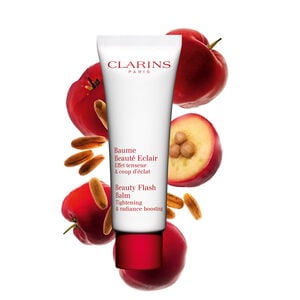


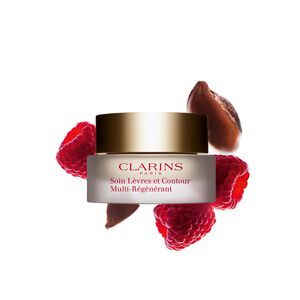
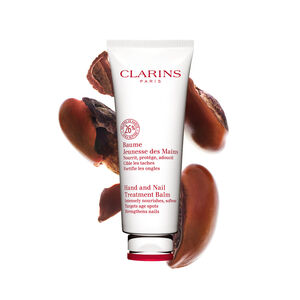


Skin Care Balms
Skin care balms are rich, cushioning skincare products designed to soften dry areas, support the skin’s moisture barrier and help limit moisture loss. Their distinctive texture comes from a blend of ingredients such as oils, butters and waxes, which creates a comforting layer across the skin. Many balms are water-free, although others contain water and have a softer, creamier consistency; the ingredient list gives a clearer picture than the name alone. Compared with a fluid lotion, a balm generally feels more substantial, making it particularly appealing for skin that feels tight, rough or uncomfortable. A small amount can give a dry cheek a supple feel or soften the texture of a rough elbow without needing to cover the whole face or body. Facial balms, lip balms, hand balms and body balms share this emphasis on comfort, but each is developed for a particular area and should be chosen accordingly. A lip balm needs a texture that sits comfortably on the lips, while a hand balm may offer a less slippery finish that suits handling a phone or holding a cup. For the face, the appeal often lies in a smooth, pliable texture that spreads evenly without excessive pulling. Some balms feel almost solid in their container and soften with the warmth of the fingertips; others dispense as a thick cream. Neither texture alone determines suitability. The balance of ingredients, the intended application area and personal preferences all matter. Someone with widespread dryness may appreciate a generous, enveloping feel, whereas someone with combination skin may prefer a balm just for the cheeks or another dry area. This targeted versatility is part of what makes skincare balms distinctive: they can provide an extra layer of comfort exactly where it is wanted, rather than requiring a rich texture across skin that does not need it. The finish also varies, from a subtle sheen to a more velvety feel, giving different options for those who enjoy a visible layer or prefer something less noticeable.
The ingredients in a balm help explain both its texture and its intended role. Emollients, including suitable oils and butters, soften the skin’s surface and help it feel smoother, while occlusive ingredients create a layer that limits water loss. Shea butter and waxes can contribute body and richness, while ingredients such as squalane can add slip and a silky feel. In formulas containing water, humectants such as glycerin attract water to help support hydration. These functions are complementary rather than interchangeable: a balm that seals in moisture is not necessarily the same as a water-based moisturiser that supplies hydration. That distinction is useful for skin that feels tight despite having a rich product on its surface. A leave-on facial balm can complement a hydrating facial toner, serum or moisturiser, provided the products are suitable for use together. Slightly damp skin may help some balms spread comfortably, although the application directions remain the most reliable reference for a particular formula. Texture is equally important to the experience. A dense balm may suit flaky-feeling cheeks or rough knuckles, while a lighter balm can be more comfortable for someone who dislikes a heavy coating. For combination skin, precise application offers a way to soften dry areas without adding richness elsewhere. Sensitive skin calls for attention to the full formula rather than an assumption that all balms are alike. Fragrance-free options may appeal to those who prefer to avoid added scent, but suitability still depends on individual sensitivities. A small-area patch test can help assess tolerance, and facial, lip and eye-area use should match the label. A balm intended for the body is not automatically suitable for the lips or the delicate skin around the eyes. Cosmetic balms are primarily about moisturising, softness and comfort; cracked, bleeding or persistently irritated skin needs advice from a pharmacist or another qualified healthcare professional rather than a richer texture alone.
Choosing between skin care balms also involves the small details that make a product pleasant to use. A tube offers controlled dispensing and can be convenient for a handbag, while a pot provides easy access to a firmer texture. A stick format allows precise application to a designated area with less contact between the fingers and the product. Packaging is more than a visual preference: a secure closure helps prevent leaks, and a format that is comfortable to hold makes application easier. Storage directions matter too, as excessive heat can soften a wax-rich balm and affect its consistency. Keeping the lid firmly closed and avoiding the introduction of water helps preserve the intended texture and condition of the contents. For pots, dry hands or a suitable spatula can make application tidier. The amount applied affects the finish as much as the formula itself; a thin layer may give comfortable softness, while too much can feel slippery or transfer onto clothing. Body balms intended for elbows, knees or heels often have a richer feel than facial options, and their suitability depends on the area named on the packaging. For hands, a balm that settles into a comfortable, less greasy finish may be preferable to one that leaves a pronounced sheen. Personal preferences also make balms a thoughtful skincare gift, especially for someone who enjoys plush textures or pays particular attention to hand and lip care. A familiar scent preference, a favoured packaging style or a preference for fragrance-free skincare can be more helpful than choosing by appearance alone. For a selection focused on men’s facial comfort and moisturising needs, Men's Skincare Balms offers a related category to explore. Across facial and body care, the most suitable balm is one that matches the intended area, feels agreeable on the skin and provides the desired level of richness. From a smooth veil over dry cheeks to a more substantial layer for rough hands, the appeal is tactile and straightforward: softer-feeling skin, a supple finish and comfort without unnecessary complexity.

