
Blemish Lotions For Combination Skin
Combination skin, characterized by an oily T-zone and dryness in other areas, can be challenging to treat when it comes to blemishes. Finding a blemish lotion that effectively targets acne without over-drying or exacerbating dry patches is key.


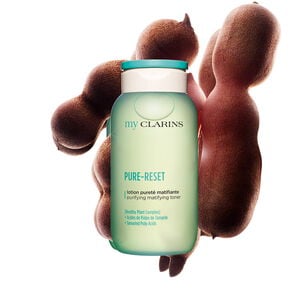

Blemish Lotions For Combination Skin
Blemish lotions for combination skin are made for a complexion that doesn’t feel quite the same across the whole face. The forehead, nose and chin may have a noticeable sheen, while the cheeks feel comfortable or tight. Blemishes might be most obvious along the chin or around the nose, without being a feature of the rest of the face. A lotion offers a way to give those areas some attention without assuming that every part of the face needs the same finish. The word ‘lotion’ covers quite a range of textures, from fluid formulas that feel almost like water to softer, milky ones with a little more slip. A fluid texture can be appealing if the skin around the nose already feels slick, whereas a milky lotion may suit someone who dislikes the taut feeling that some lighter formulas leave on the cheeks. Neither texture tells the whole story, though. Two lotions that look similar in the palm can feel quite different on the face: one may leave very little trace, while the other has a soft finish that can still be felt under a moisturiser. It also matters where the lotion is designed to go. An all-over facial lotion may suit someone who gets blemishes across several areas and likes the feel of a light layer across the face. A formula intended for targeted application can be a better fit when the concern is mostly around the chin and the cheeks already feel comfortable with the rest of the skincare routine. Even within the T-zone, preferences can differ. A forehead that looks shiny may feel perfectly comfortable, while the creases beside the nose may feel tight. That distinction is worth noticing: visible shine and the way skin feels are separate considerations, and a finish that does away with every trace of sheen is not necessarily the most comfortable choice.
The ingredient list adds context to what a blemish lotion is designed to do, particularly when different formulas have a similar feel. Glycerin, for example, helps attract water and can be found in lotions that feel light rather than creamy. Salicylic acid appears in some formulas intended to exfoliate, but its presence alone doesn’t indicate how a lotion will feel or whether it sits comfortably alongside the other products in a routine. If an exfoliating facial toner already has a place there, choosing a lotion with a similar role may be less useful than choosing one for a different purpose. A lotion with a fairly simple feel can also make sense for skin that reacts readily to fragranced skincare. Fragrance-free is a useful distinction for someone who prefers it, but it doesn’t tell the full story of how the formula will suit the skin. Finish is just as personal. A lotion that leaves the nose looking less shiny may appeal to someone who likes a matte look, while someone else might prefer a soft sheen if it comes without a slick or tacky feel. There’s also a difference between a blemish lotion and a moisturiser, even if both are milky and spread easily. The lotion may be chosen for the appearance of blemish-prone areas, while the moisturiser may be the part of the routine that makes drier cheeks feel comfortable. Where the application directions allow, a thin layer can feel less noticeable alongside other skincare than a generous one. That can matter around the sides of the nose, where a fluid lotion can collect in the creases, or across the chin, where a tacky finish can be more noticeable than across the forehead. How well a lotion fits depends on that combination of purpose, texture and comfort, not simply on whether it feels light on the back of the hand.
The bottle can make a small but meaningful difference to how a lotion is used. A narrow opening can make it easier to dispense a little of a watery formula without it running through the fingers, while a pump can suit a slightly thicker lotion intended to spread across a wider area. Neither format says much about the formula itself; it’s simply a matter of how much control the dispenser offers. A cap that closes snugly is useful if the bottle is kept in a wash bag, especially with a fluid lotion that would otherwise spill easily. Keeping the container closed and following the storage directions on the label help keep the lotion in good condition. A noticeable change in colour, scent or consistency is a reason to put it aside rather than judge it on texture alone. As a gift, a blemish lotion is quite a personal choice. It makes more sense for someone who has expressed a preference for this kind of facial care than as a surprise chosen on the basis of how their skin looks. Knowing that the recipient likes a light, fragrance-free lotion or already uses a targeted formula around the chin is a more useful starting point than knowing only that they describe their skin as combination. For a closer look at facial blemish lotions, see Blemish Minimising Lotions for Face. Comfort matters when the cheeks and T-zone have different needs: a lotion can feel right because it has just enough slip to spread without rubbing, because it works neatly alongside a familiar moisturiser, or because it can be applied where needed without leaving a noticeable film elsewhere.
