
Balms For Sensitive Skin Smoothness
Discover soothing balms designed to comfort and nurture sensitive skin, leaving it feeling soft and smooth. Gentle formulas help to calm delicate complexions while providing essential hydration, creating a sense of relief from dryness or discomfort. Whether you’re looking to support your daily beauty routine or address occasional sensitivity, these balms offer a caring touch for beautifully balanced skin. Explore options that melt effortlessly into the skin, delivering a cocooning sensation with every application.
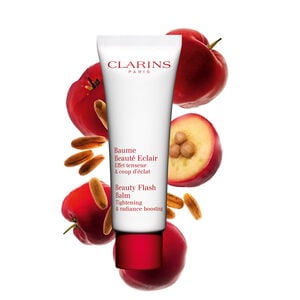


Balms For Sensitive Skin Smoothness
Balms for sensitive skin smoothness bring together a comforting texture and ingredients chosen to soften the feel of dry, uneven skin. Their appeal lies in the way they cushion delicate areas: a thin veil across tight-feeling cheeks, a supple layer over rough knuckles, or a richer coating on dry elbows. Unlike a fluid lotion, a balm typically has a denser consistency, although textures range from soft, cream-like blends to firmer preparations that melt with gentle contact. This richness can be particularly appealing when skin feels uncomfortable or looks flaky, but a heavier texture is not automatically a better match for sensitivity. The right fit depends on the area being treated, the ingredient list and how the finish feels against the skin. Emollients, such as shea butter and selected oils, help soften roughness, while ingredients such as waxes or petrolatum can form a protective layer that helps limit moisture loss. In formulas containing water, humectants such as glycerin attract moisture to the skin, supporting a smoother, more supple feel. These ingredient groups have different roles, so two balms with similar textures may offer quite different experiences. A balm designed for sensitive facial skin might spread with very little pressure and leave a discreet, velvety finish, while one intended for dry body areas may feel more substantial. Smoothness in this context is about softness and comfort rather than scrubbing away every trace of texture. Skin has its own variations, and gentle moisturising care can help dry patches feel less coarse without the friction of a scrub. The wider selection of Skin Care Balms offers a useful setting for considering these differences in texture and intended use. For sensitive skin, a suitable balm should feel comfortable where it is applied and suit the level of richness that particular area needs.
Ingredient choices deserve as much attention as the feel of the balm. Ceramides are lipids found in the skin’s barrier, and skincare containing them can help support that barrier’s moisture-retaining function. Panthenol is used in moisturising formulas to help maintain hydration and comfort, while colloidal oatmeal can contribute to a soothing feel in suitable preparations. Shea butter adds richness and slip, making it easier to spread a small amount over a dry patch without repeated rubbing. These are useful ingredient roles to understand, rather than promises that every balm containing them will suit every person. Sensitive skin can react to fragrance, essential oils or individual extracts, including ingredients that other people find comfortable. Fragrance-free options may therefore appeal to those who know scent is a trigger, but the complete formula still matters. An unscented label does not necessarily mean that no fragrance ingredients are present, so the ingredient list remains worth checking. Equally, a short list of ingredients is not a guarantee of tolerance, and a rich balm need not contain water to be useful: some blends work mainly by softening the surface and helping retain moisture already present. The distinction between dryness and sensitivity is important, too. Dryness describes a lack of moisture or oil that can leave skin rough and tight, whereas sensitivity can involve discomfort in response to products or other triggers. The two can overlap, which explains why a cushioning balm may be appealing without being a treatment for every cause of irritation. Someone with dry cheeks may favour a pliable facial balm that settles without a heavy coating; someone with rough hands may prefer a more substantial texture that reduces the feeling of friction. Neither choice needs to be used everywhere. Facial, hand, body and lip preparations have different intended uses, and the label should confirm where a formula belongs. Products used close to the eyes require particular care and should be specifically suitable for that area. A cosmetic balm can support softness and comfort, but persistent redness, cracked skin or unexplained irritation calls for advice from a pharmacist or qualified healthcare professional.
The practical details of a balm can make a noticeable difference to how comfortably it fits into a skincare routine. A smooth, pliable texture is helpful for delicate areas because it spreads without tugging, while a firmer balm may need to be softened gently between the fingers, if its directions allow. A small amount gives greater control over the finish: enough to cushion a rough patch without leaving an unnecessarily thick layer. On the face, the most appealing finish might be soft and barely noticeable; on elbows or heels, a richer coating may be more comfortable. Hands bring their own considerations, especially if a slippery residue makes it awkward to hold a phone, fasten a button or handle a handbag clasp. A balm that feels plush but not excessively slick can offer a more practical match for those areas. Packaging matters as well. A tube allows a measured amount to be squeezed out with little handling, while a pot provides easy access to a firmer texture. Whichever format is chosen, dry hands, a tightly closed lid and storage according to the label help keep the contents in good condition. Avoid exposing the balm to excessive heat, which can alter its consistency, and follow the stated usage and storage directions. For skin that is easily unsettled, trying a small amount on a limited area according to the product guidance is a sensible precaution; a balm should not be treated as suitable simply because its texture feels luxurious. Stinging, itching or increased redness is a reason to stop using it. Balms can also make thoughtful beauty gifts for someone who enjoys comforting textures, particularly when their fragrance preferences and ingredient sensitivities are already known. A hand or body balm chosen around those preferences feels more personal than a selection based on richness alone. Across facial and body care, the most useful qualities remain straightforward: an appropriate formula, a texture that spreads gently, and a finish that leaves the intended area feeling softer, smoother and comfortably moisturised.

