
Advanced Skincare Lotions
Advanced skincare lotions have become increasingly popular in the beauty industry, offering a wide range of benefits for the skin. These lotions are formulated with high-quality ingredients that target specific skin concerns and provide advanced solutions for achieving healthy and radiant skin.




Advanced Skincare Lotions
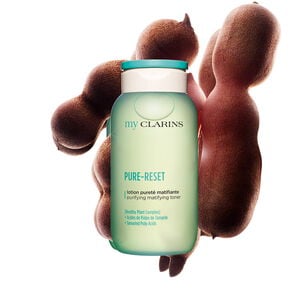
Advanced skincare lotions bring together hydration, carefully chosen ingredients and textures designed to suit different skin needs. Depending on the formula, a lotion may be a fluid facial treatment, a milky moisturiser or a body lotion with a soft, cushioning finish. What connects these formats is their emphasis on comfortable application and targeted cosmetic benefits, such as helping skin feel supple, supporting its moisture barrier or improving the appearance of a dull, uneven texture. The word “advanced” does not describe a single ingredient or a fixed level of strength; the value of a formula lies in how its ingredients, texture and intended use fit the skin it is applied to. Hyaluronic acid and glycerin are humectants, which help attract and retain moisture within the skin’s outer layers. Ceramides are lipids found in the skin’s barrier, and formulas containing them can help support moisture retention. Panthenol, also known as provitamin B5, is valued for its moisturising properties, while vitamin E can contribute to skin conditioning. Some lotions contain peptides or other ingredients selected to address the appearance of firmness and smoothness, although these benefits depend on the complete formula rather than the presence of one ingredient alone. A fluid texture can still provide meaningful hydration, just as a richer texture is not automatically more suitable for every complexion. Facial treatment lotions often feel lighter than conventional moisturisers and may complement a serum and cream rather than replace them. For a closer look at this facial category, Skin Treatment Lotions brings the focus to formulas intended for the treatment-lotion step of a skincare routine. Understanding the distinction between a treatment lotion and a moisturising emulsion helps make sense of the category: one may deliver a delicate veil of hydration, while the other adds more cushioning through a blend of water-based and oil-based ingredients. Both can have a place in a beauty routine, provided their purpose matches the skin’s needs and the directions on the packaging.
Texture is often the most useful starting point when considering how an advanced skincare lotion will feel on the face or body. Skin that feels tight across the cheeks may suit a milky lotion with emollients, which help soften roughness and leave the surface feeling smoother. A complexion with a shinier forehead and nose may prefer a more fluid texture that spreads easily without a heavy coating. Combination skin can benefit from a measured application, with a little more attention to areas that feel dry rather than an equally generous layer everywhere. For sensitive skin, a comfortable texture and a formula suited to that skin type matter more than an extensive ingredient list. Fragrance preferences are also worth considering: a scented lotion can add a sensory element to body care, whereas a fragrance-free option may suit someone who prefers less scent or finds fragranced formulas uncomfortable. No single ingredient guarantees that a lotion will suit sensitive skin, so the overall formulation and personal tolerance remain important. There is also a difference between a finish that feels silky, one that feels velvety and one that leaves a noticeable protective film. These details affect how enjoyable a lotion is to wear, particularly on the neck, décolletage, arms or legs, where fabric may sit against the skin. A body lotion intended for dry shins or elbows may offer more slip and cushioning than a facial treatment lotion designed to sit beneath a cream. Products labelled for the face and those labelled for the body should therefore be chosen according to their stated use rather than treated as interchangeable. For skin that looks flat or feels uneven to the touch, hydration can help create a smoother-looking surface and a fresher appearance. Where a formula also includes exfoliating ingredients, suitability deserves particular attention, especially within a routine that already contains targeted treatments. A lotion should add a clear benefit without making the overall routine feel unnecessarily complicated.
The appeal of advanced skincare lotions also lies in the small details of application: a watery formula pressed gently over the cheeks, a smooth emulsion that glides across the shoulders, or a body lotion that makes rough-feeling elbows more comfortable. These are different experiences, and the right choice depends as much on preferred feel as on the benefit described on the label. Packaging can influence that experience too. A pump offers controlled dispensing for larger areas, while a bottle with a narrow opening can make a very fluid facial lotion easier to handle. A tube may be convenient for a wash bag, particularly when the closure is secure and the format is easy to hold. The container should suit the consistency, allowing a suitable amount to be dispensed without awkward handling. Application directions remain important because facial treatment lotions vary: some are intended for the palms, some for a cotton pad, and others have specific instructions linked to their ingredients. Gentle contact is generally more comfortable than vigorous rubbing, and applying extra layers is not a substitute for choosing a suitable formula. A lotion used alongside a serum or moisturiser should fit the directions for the whole routine, especially where several products contain exfoliating ingredients. Keep caps and pump closures secure, follow the storage information supplied, and avoid adding water or mixing other products into the bottle. These straightforward measures help preserve the intended texture and keep the contents protected. As a beauty gift, a lotion can be a thoughtful choice for someone whose skin preferences are familiar, particularly if they enjoy soft body-care textures or a considered facial routine. A comfortable moisturising formula is often a more approachable gift than a highly targeted treatment chosen without knowing the recipient’s skin. Whether selected for personal use or as a present, the most satisfying lotion is one with a clear purpose, an agreeable finish and instructions that fit comfortably into the recipient’s approach to skincare. The result should feel uncomplicated: skin that is comfortably hydrated, soft to the touch and cared for without an unnecessarily heavy layer.

