
Under Eye Treatments
Under eye treatments are a popular option for those looking to reduce the appearance of dark circles, puffiness, and fine lines around the eyes. These treatments can range from simple home remedies to more advanced procedures performed by dermatologists or cosmetic surgeons.




Under Eye Treatments
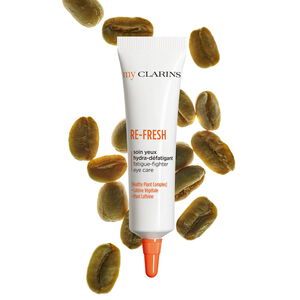
Under eye treatments are designed for the delicate skin surrounding the eyes, where signs of tiredness, dryness and dehydration can appear more readily than elsewhere on the face. The right choice depends on the concern you would like to address, as well as the texture and finish you prefer. Lightweight eye serums can feel refreshing and absorb quickly, while creams and balms offer a richer layer of comfort for skin that feels dry or tight. Puffiness may be linked to fluid build-up, lack of rest, allergies or everyday lifestyle factors, and formulas containing caffeine are often chosen to help the eye area look more awake by temporarily reducing the appearance of swelling. Cooling textures, gentle massage and a light-touch application can also make a morning routine feel soothing, particularly when the eye contour looks heavy. For the appearance of dark circles, look for targeted skincare with ingredients such as niacinamide or vitamin C, which can help to brighten the look of uneven tone with consistent use. It is worth remembering that under-eye shadows can have several causes, including visible blood vessels, pigmentation, facial structure and hollowness, so topical skincare may improve the appearance of some concerns without changing the natural shape of the eye area. A small amount is usually enough: apply with the ring finger, using a soft pressing motion along the orbital bone rather than pulling or rubbing the skin. Keep products away from the lash line and inside the eye, and follow the directions provided with each formula, especially when introducing active ingredients.
Hydration is another important consideration when choosing under eye treatments. Because the skin in this area can feel particularly fine and easily dehydrated, ingredients such as hyaluronic acid can help attract and hold moisture, leaving the surface looking smoother and more supple. Ceramides support the skin barrier, helping it feel comfortable when exposed to dry indoor air, cool breezes or frequent changes in temperature. These ingredients can be especially appealing if concealer tends to catch on fine lines or if the eye contour feels tight after cleansing. For concerns involving the appearance of fine lines and loss of firmness, gentle eye-specific retinoid formulas may be considered, provided they are suitable for your skin and introduced gradually according to the product instructions. Eye-area skincare should be formulated with this sensitive zone in mind; products created for the face may be too strong, particularly around the eyes. Patch testing is a sensible step for reactive skin, and fragrance-free or soothing formulas may be preferable if the area is prone to watering or discomfort. Sun protection also matters, since exposure can contribute to visible uneven tone and the look of lines; use a facial sunscreen that is suitable for the eye area, taking care to avoid direct contact with the eyes. A well-chosen treatment can sit comfortably beneath makeup, complementing rather than replacing a hydrating facial routine. For a simple approach, pair one eye treatment with a gentle cleanser, moisturiser and suitable sunscreen, adding other active products carefully to avoid overwhelming the skin.
Under eye treatments can make a thoughtful beauty gift because they suit a wide range of routines and are easy to add to an existing skincare collection. A hydrating eye cream can be a considerate choice for someone who enjoys a comforting self-care ritual, while a cooling serum may appeal to anyone who prefers a fresh, weightless texture. When selecting a gift, consider whether the recipient usually chooses rich creams or light lotions, whether their skin is sensitive, and whether their main concern is puffiness, dryness, visible shadows or the look of fine lines. Packaging, applicator design and ease of use can be just as important as the ingredient list: a smooth pump, precise nozzle or cooling tip can help dispense a measured amount and make application feel more effortless. Those who want a broader selection for regular use can explore Daily Eye Treatments, with options designed to support different preferences and concerns. Professional procedures may be discussed with a qualified practitioner when hollows, pronounced puffiness or persistent concerns are not addressed by topical skincare. Treatments such as injectable fillers, laser procedures, radiofrequency, mesotherapy or eyelid surgery carry different benefits, limitations and risks, and should only be considered following an individual consultation with an appropriately regulated professional. Skincare remains a gentle, non-invasive way to care for the area at home: apply sparingly, use clean hands, avoid vigorous rubbing and allow the formula to settle before layering other products. During cooler months, a nourishing texture can bring welcome comfort, while lighter gel formulas may be preferred when the skin feels warm or easily congested. The most suitable under eye treatment is one that matches your concern, feels pleasant on the skin and can be used consistently as part of a considered beauty routine.
Hydration is another important consideration when choosing under eye treatments. Because the skin in this area can feel particularly fine and easily dehydrated, ingredients such as hyaluronic acid can help attract and hold moisture, leaving the surface looking smoother and more supple. Ceramides support the skin barrier, helping it feel comfortable when exposed to dry indoor air, cool breezes or frequent changes in temperature. These ingredients can be especially appealing if concealer tends to catch on fine lines or if the eye contour feels tight after cleansing. For concerns involving the appearance of fine lines and loss of firmness, gentle eye-specific retinoid formulas may be considered, provided they are suitable for your skin and introduced gradually according to the product instructions. Eye-area skincare should be formulated with this sensitive zone in mind; products created for the face may be too strong, particularly around the eyes. Patch testing is a sensible step for reactive skin, and fragrance-free or soothing formulas may be preferable if the area is prone to watering or discomfort. Sun protection also matters, since exposure can contribute to visible uneven tone and the look of lines; use a facial sunscreen that is suitable for the eye area, taking care to avoid direct contact with the eyes. A well-chosen treatment can sit comfortably beneath makeup, complementing rather than replacing a hydrating facial routine. For a simple approach, pair one eye treatment with a gentle cleanser, moisturiser and suitable sunscreen, adding other active products carefully to avoid overwhelming the skin.
Under eye treatments can make a thoughtful beauty gift because they suit a wide range of routines and are easy to add to an existing skincare collection. A hydrating eye cream can be a considerate choice for someone who enjoys a comforting self-care ritual, while a cooling serum may appeal to anyone who prefers a fresh, weightless texture. When selecting a gift, consider whether the recipient usually chooses rich creams or light lotions, whether their skin is sensitive, and whether their main concern is puffiness, dryness, visible shadows or the look of fine lines. Packaging, applicator design and ease of use can be just as important as the ingredient list: a smooth pump, precise nozzle or cooling tip can help dispense a measured amount and make application feel more effortless. Those who want a broader selection for regular use can explore Daily Eye Treatments, with options designed to support different preferences and concerns. Professional procedures may be discussed with a qualified practitioner when hollows, pronounced puffiness or persistent concerns are not addressed by topical skincare. Treatments such as injectable fillers, laser procedures, radiofrequency, mesotherapy or eyelid surgery carry different benefits, limitations and risks, and should only be considered following an individual consultation with an appropriately regulated professional. Skincare remains a gentle, non-invasive way to care for the area at home: apply sparingly, use clean hands, avoid vigorous rubbing and allow the formula to settle before layering other products. During cooler months, a nourishing texture can bring welcome comfort, while lighter gel formulas may be preferred when the skin feels warm or easily congested. The most suitable under eye treatment is one that matches your concern, feels pleasant on the skin and can be used consistently as part of a considered beauty routine.

