
Spf Protectors
SPF protectors, also known as sunscreens, are essential products for protecting the skin from the harmful effects of ultraviolet (UV) radiation. UV rays from the sun can cause damage to the skin, including sunburn, premature ageing, and an increased risk of skin cancer.


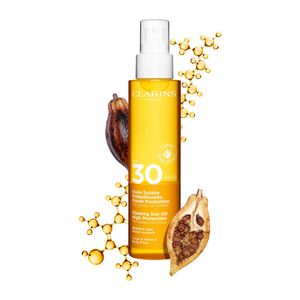


Spf Protectors
SPF protectors are an essential part of a considered facial and body skincare routine, helping to defend exposed skin from ultraviolet radiation. When choosing a formula, look beyond the SPF number and check that it offers broad-spectrum protection against both UVB and UVA rays. UVB is closely associated with sunburn, while UVA can reach deeper into the skin and contribute to visible changes such as uneven tone, loss of firmness and fine lines. In the UK, UVA protection may be shown through a UVA symbol or a star rating, with a higher rating indicating stronger UVA coverage. SPF 30 filters approximately 97% of UVB rays, while SPF 50 filters approximately 98%, making higher protection a practical choice for fair, sensitive or easily flushed complexions, as well as for holidays, outdoor activities and strong sunlight. No sunscreen can filter every ray, so apply it generously to all exposed areas and support it with shade, clothing, sunglasses and a wide-brimmed hat. The face, ears, neck, chest, shoulders, hands and tops of the feet are often overlooked, even though they are frequently exposed. A useful way to think about application is to divide the body into sections, making sure the product forms an even layer rather than being lightly dotted across the skin. For the face and neck, use enough to cover the entire area comfortably, blending carefully around the hairline, jaw and ears. Reapply after swimming, sweating or towel drying, and refresh coverage when outdoor exposure continues. Water-resistant textures can offer useful support around the pool or beach, but they still need to be reapplied after contact with water or towelling. SPF protectors are not limited to bright, cloudless conditions; UVA can pass through cloud cover and windows, so a facial protector can be a reassuring finishing step whenever exposed skin is part of your routine.
Texture and finish make a meaningful difference to how consistently an SPF protector is used. Facial formulas may be light and fluid, creamier and comforting, or designed to leave a soft, luminous or invisible finish beneath make-up. If your complexion feels tight or dry, look for hydrating ingredients and a richer texture that helps skin feel supple without leaving it uncomfortable. Those with an oily or combination complexion may prefer a fresh lotion, fluid or gel-cream that settles quickly and sits neatly beneath foundation. Sensitive skin can benefit from a simple formula with a gentle feel, while fragrance preferences, a tendency towards eye watering and a desire for a non-greasy finish are also worth considering. Body protectors are often supplied in larger formats, making it easier to cover arms, legs, shoulders and the back without using a precious facial product. Sprays can be convenient for hard-to-reach areas, while lotions and creams make it easier to see where coverage has been applied. Whichever format you choose, do not rely on a fine mist alone; spray into the hands for the face and work methodically over the skin so that no patches are missed. SPF can sit comfortably alongside other skincare, including moisturisers and serums, and should be applied as the final skincare layer before make-up. Allow each layer to settle so the protective film remains even, then take a small amount with you for convenient reapplication. An SPF protector can also be a thoughtful gift for someone who enjoys walking, gardening, skiing, cycling, travel or outdoor lunches. It suits a friend who keeps a carefully edited washbag, a parent who likes practical skincare, or anyone preparing for a sunny escape. For a gift, a face-and-body pairing or a selection of textures can make the gesture feel personal, particularly when you consider whether the recipient prefers a barely-there finish, rich comfort or a formula that works easily beneath make-up. Explore more options within Protection From Sun to compare formats and find coverage suited to different routines.
Choosing SPF protection is also about the details that encourage regular, generous use. Consider where the product will be used, whether it needs to fit into a handbag or travel pouch, and whether the packaging makes reapplication straightforward. A face protector may need to be compact and elegant enough to keep beside skincare or make-up, while a body lotion can be more generous in size for use at home. If you wear make-up, seek a finish that does not pill beneath your base or leave a noticeable cast. If you spend time near water, select water-resistant protection and remember that resistance is not the same as complete removal-proof coverage. Children and adults may need different textures and levels of supervision, and particularly delicate areas should be covered with clothing as well as sunscreen. Do not apply SPF only to the nose and cheeks; the forehead, temples, eyelids where suitable, ears, neck and hands deserve the same care. Lip protection with SPF can be useful for exposed lips, while a separate facial formula may feel more comfortable around the eyes than a body product. Keep an eye on the product’s instructions, storage guidance and stated protection claims, and replace it when the packaging advises, especially if the texture, scent or appearance changes. During cooler months, fresh air and lower temperatures can make exposure feel less intense, yet reflected light, high-altitude conditions and outdoor exercise can still leave skin vulnerable. A dependable SPF protector helps bring structure to your routine without needing to feel heavy or complicated: apply an even layer to exposed skin, use enough to cover thoroughly, reapply after activities that remove it, and pair it with protective clothing and shade. With the right texture, finish and level of broad-spectrum coverage, sun protection can feel as natural and comfortable as cleansing or moisturising.
Texture and finish make a meaningful difference to how consistently an SPF protector is used. Facial formulas may be light and fluid, creamier and comforting, or designed to leave a soft, luminous or invisible finish beneath make-up. If your complexion feels tight or dry, look for hydrating ingredients and a richer texture that helps skin feel supple without leaving it uncomfortable. Those with an oily or combination complexion may prefer a fresh lotion, fluid or gel-cream that settles quickly and sits neatly beneath foundation. Sensitive skin can benefit from a simple formula with a gentle feel, while fragrance preferences, a tendency towards eye watering and a desire for a non-greasy finish are also worth considering. Body protectors are often supplied in larger formats, making it easier to cover arms, legs, shoulders and the back without using a precious facial product. Sprays can be convenient for hard-to-reach areas, while lotions and creams make it easier to see where coverage has been applied. Whichever format you choose, do not rely on a fine mist alone; spray into the hands for the face and work methodically over the skin so that no patches are missed. SPF can sit comfortably alongside other skincare, including moisturisers and serums, and should be applied as the final skincare layer before make-up. Allow each layer to settle so the protective film remains even, then take a small amount with you for convenient reapplication. An SPF protector can also be a thoughtful gift for someone who enjoys walking, gardening, skiing, cycling, travel or outdoor lunches. It suits a friend who keeps a carefully edited washbag, a parent who likes practical skincare, or anyone preparing for a sunny escape. For a gift, a face-and-body pairing or a selection of textures can make the gesture feel personal, particularly when you consider whether the recipient prefers a barely-there finish, rich comfort or a formula that works easily beneath make-up. Explore more options within Protection From Sun to compare formats and find coverage suited to different routines.
Choosing SPF protection is also about the details that encourage regular, generous use. Consider where the product will be used, whether it needs to fit into a handbag or travel pouch, and whether the packaging makes reapplication straightforward. A face protector may need to be compact and elegant enough to keep beside skincare or make-up, while a body lotion can be more generous in size for use at home. If you wear make-up, seek a finish that does not pill beneath your base or leave a noticeable cast. If you spend time near water, select water-resistant protection and remember that resistance is not the same as complete removal-proof coverage. Children and adults may need different textures and levels of supervision, and particularly delicate areas should be covered with clothing as well as sunscreen. Do not apply SPF only to the nose and cheeks; the forehead, temples, eyelids where suitable, ears, neck and hands deserve the same care. Lip protection with SPF can be useful for exposed lips, while a separate facial formula may feel more comfortable around the eyes than a body product. Keep an eye on the product’s instructions, storage guidance and stated protection claims, and replace it when the packaging advises, especially if the texture, scent or appearance changes. During cooler months, fresh air and lower temperatures can make exposure feel less intense, yet reflected light, high-altitude conditions and outdoor exercise can still leave skin vulnerable. A dependable SPF protector helps bring structure to your routine without needing to feel heavy or complicated: apply an even layer to exposed skin, use enough to cover thoroughly, reapply after activities that remove it, and pair it with protective clothing and shade. With the right texture, finish and level of broad-spectrum coverage, sun protection can feel as natural and comfortable as cleansing or moisturising.

