
Soothing Balms
Soothing balms have long been a staple in the world of skincare and wellness. These versatile products offer a range of benefits, from providing relief for dry, irritated skin to helping alleviate muscle soreness and tension.




Soothing Balms
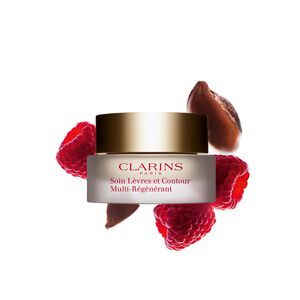
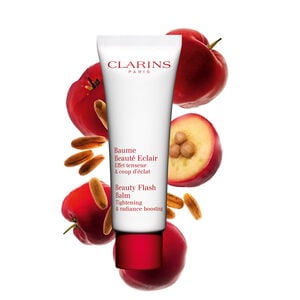
Soothing balms are rich skincare preparations designed to comfort dry-feeling skin, soften rough patches and help limit moisture loss. Their distinctive texture usually comes from a blend of oils, butters, waxes or other emollient ingredients, creating a cushiony layer that feels more substantial than a fluid lotion. Some spread into a fine, silky veil, while others leave a more noticeable protective coating. This makes texture an important part of choosing a balm: a dry cheek may suit a supple, easily spreadable finish, whereas rough knuckles or elbows may feel more comfortable with something richer. The aim is skin that feels less tight, more flexible and pleasant to touch, without an unnecessarily heavy coating. Balms can be particularly appealing to people who find lighter moisturisers insufficient for isolated areas of dryness, or who prefer a targeted approach rather than applying a rich cream across the whole face or body. Depending on their intended use, they may suit the face, hands, lips or body, but those uses are not interchangeable unless the label says so. A facial balm should be suitable for facial application, and a balm used on the lips should be specifically intended for that area. Cosmetic soothing balms support skin comfort and moisturisation; they are not a substitute for treatment of a skin condition. For sensitive skin, a reassuring texture is only one consideration. The complete ingredient list, fragrance content and application directions matter just as much as how velvety a formula feels. A pleasant fragrance does not indicate greater soothing performance, and a thick consistency does not automatically mean a balm will suit every skin type. A well-matched balm balances the level of richness an area needs with a finish that feels comfortable, whether that means a barely noticeable layer over dry cheeks or a more enveloping texture across rough patches on the body. The distinction is practical: choose for the area and its needs, rather than assuming that every balm serves the same purpose.
The ingredients in soothing balms perform different, complementary roles. Emollients such as shea butter, squalane and selected plant oils help soften the surface of the skin and improve the feel of roughness. Occlusive ingredients, including petrolatum, certain waxes and dimethicone, help form a barrier that limits moisture escaping from the skin. Where a formula contains water, humectants such as glycerin can help attract and hold moisture within the upper layers. Panthenol is another ingredient found in moisturising formulas developed for skin comfort. These ingredient groups explain why two balms can feel quite different yet both be suitable for dryness: one may be buttery and substantial, another smooth and relatively light. Water-free formulas often feel particularly concentrated, although richness alone does not determine suitability or performance. The balance of ingredients and the amount applied are equally relevant. For skin that feels dry in some areas but comfortable elsewhere, a targeted layer can be more appealing than an all-over application. Someone with a tight-feeling jawline, for example, may prefer to apply a facial balm there without extending it across areas that do not need the same richness. For hands, consider whether the finish allows a comfortable grip on a pen, phone or handbag handle. A more enveloping body balm may be better suited to rough elbows or knees, where a substantial texture can feel welcome. Fragrance-free options can be worth considering for people who prefer to avoid perfume in skincare, although no single label guarantees that a formula will suit everyone. Essential oils and botanical extracts also deserve attention if particular ingredients are known to cause sensitivity. Claims such as multipurpose should still be checked against the directions, especially for use around the eyes or on the lips. There is no need for one balm to fulfil every role; choosing an appropriate formula for each intended area offers a more considered approach to comfort. Texture preferences are personal, and a finish that feels reassuring on one part of the body can feel excessive on another.
Application should feel gentle and controlled rather than vigorous. Follow the directions for the chosen formula, take a modest amount and spread it into a thin, even layer over the intended area. A dense balm may become easier to distribute when softened between the fingertips, helping it glide without pulling at delicate skin. Pressing it lightly over a dry facial patch can feel more comfortable than repeated rubbing, while broader strokes may suit the hands or body. If the formula is suitable for use alongside a moisturiser, its richer texture can help seal in that layer; the label should guide how the two are combined. Use washed hands, avoid sharing lip applications and keep the opening of a tube or jar free from residue. Where a spatula is supplied, follow the accompanying care directions, and replace caps securely to protect the texture and contents. Packaging also shapes the experience: a tube can offer controlled dispensing, while a jar provides easy access to a firmer consistency. Neither format determines how soothing the contents will feel, so ingredient suitability and intended use remain the more useful considerations. Follow any patch-testing advice, keep applications away from areas excluded on the label and stop using a formula if it causes discomfort. Skin that is painful, swollen or visibly damaged warrants advice from a pharmacist or healthcare professional rather than reliance on a cosmetic balm. For gifting, soothing balms can suit someone who enjoys tactile skincare or prefers targeted moisturising textures, provided their fragrance preferences and sensitivities are understood. Familiarity with the recipient’s skincare choices is more helpful than choosing richness alone. A balm can also sit alongside other forms of Soothing Skincare, with each texture chosen for a distinct purpose rather than layered without need. The most useful choice is one that spreads comfortably, suits its intended area and leaves the skin feeling supple rather than overloaded.
