
Skincare For Women In Their 20s
Taking care of your skin in your 20s is essential for maintaining a healthy and youthful complexion in the years to come. During this decade, your skin is still relatively young and resilient, but it's important to establish a good skincare routine to prevent premature ageing and address any specific concerns you may have.


![Hydra-Essentiel [HA²] Light Cream](https://www.clarins.co.uk/dw/image/v2/AAFS_PRD/on/demandware.static/-/Sites-clarins-master-products/en_GB/dw13308f81/original/80092156_original_original_PLP.jpg?sw=300&sh=300 "Hydra-Essentiel [HA²] Light Cream")
![Hydra-Essentiel [HA²] Night Cream](https://www.clarins.co.uk/dw/image/v2/AAFS_PRD/on/demandware.static/-/Sites-clarins-master-products/en_GB/dw1fc19852/original/80092161_original_original_PLP.jpg?sw=300&sh=300 "Hydra-Essentiel [HA²] Night Cream")
![Hydra-Essentiel [HA²] Emulsion](https://www.clarins.co.uk/dw/image/v2/AAFS_PRD/on/demandware.static/-/Sites-clarins-master-products/en_GB/dwc3d00de3/original/80092160_original_original_PLP.jpg?sw=300&sh=300 "Hydra-Essentiel [HA²] Emulsion")


Skincare For Women In Their 20s
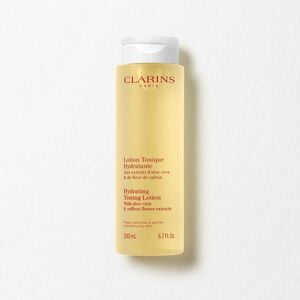
Skincare for women in their 20s can be built around a simple, consistent routine that supports comfortable, healthy-looking skin through changing routines, busy days and different seasonal conditions. The most useful place to start is a gentle facial cleanser that removes perspiration, excess oil, daily impurities and sunscreen without leaving the skin feeling tight or squeaky. A low-foam or hydrating cleanser may suit dry or sensitive complexions, while combination or oily skin may prefer a light gel texture. If the skin feels dry when you wake, rinsing with lukewarm water can be enough before applying the rest of your morning routine. For heavier sunscreen or long-wear makeup, a cleansing balm or micellar water can be used as the first step, followed by a facial cleanser to leave the skin feeling fresh and comfortable. A facial toner can add a soft layer of hydration after cleansing, helping the next products spread evenly, while a lightweight serum can be chosen according to an individual concern. Vitamin C and other antioxidant ingredients are popular for helping skin appear brighter and more even, particularly when the complexion looks dull after long days or exposure to urban pollutants. Hydrating serums containing ingredients such as hyaluronic acid can help replenish moisture without feeling heavy, making them a useful choice for combination skin as well as dry skin. The most suitable routine is not necessarily the longest one: a few well-chosen products used regularly are often easier to maintain than a crowded shelf of treatments. When comparing skincare, consider the texture, fragrance, ingredient concentration and packaging, as well as the way each product fits into a morning or evening routine. Sensitive skin may benefit from a shorter ingredient list and a gradual approach to anything active, while blemish-prone skin may respond well to salicylic acid used sparingly. Patch testing new products on a small area can help identify potential irritation, and introducing one unfamiliar product at a time makes it easier to understand how the skin responds. As the weather warms, a fresh gel cleanser and light moisturiser can feel especially comfortable; during cooler months, a richer cream or nourishing night treatment may help reduce the feeling of dryness caused by indoor heating and colder air.
Moisturiser and daily sun protection remain important foundations for skincare in your 20s. Choose a moisturiser that suits the skin’s natural feel: a gel-lotion can work well for combination or oily complexions, while a cream with comforting emollients may be preferable when the skin feels dry or delicate. Apply it to slightly damp skin to help create a smooth, supple finish, taking care around the cheeks and the areas beside the nose where dryness can become noticeable. In the morning, finish with a generous layer of broad-spectrum SPF 30 or higher, applying it to the face, ears, neck and other exposed areas; reapplication is particularly important after sweating, swimming or extended outdoor activity. An SPF moisturiser can be convenient, provided enough product is used to achieve the stated protection. In the evening, cleanse away sunscreen before applying a treatment or moisturiser. Exfoliating acids such as AHAs or BHAs can help refine the look of uneven texture and support a smoother-looking complexion, but they should be introduced gradually rather than combined with several strong treatments in one routine. A gentle retinoid may appeal to those seeking to address texture and maintain a fresh, even appearance, although it is wise to begin with a low-strength option, use it on selected evenings and follow with moisturiser. Retinoids and exfoliating acids can increase sensitivity, so daily SPF is especially important, and anyone who is pregnant, trying to conceive or breastfeeding should seek advice from a qualified healthcare professional before using retinoid products. Avoid applying active ingredients to irritated or broken skin, and allow the complexion to settle if stinging, persistent redness or discomfort develops. This collection can be useful for someone establishing a first considered routine, refining products after a change in skin needs or choosing a thoughtful gift for a sister, friend, daughter or partner. A cleanser, moisturiser and SPF make a practical introduction, while a hydrating serum, toner or nourishing mask can add a touch of indulgence without making skincare feel complicated. For further inspiration, explore Skincare Essentials for Women, then select textures and ingredients that feel appropriate for the recipient’s complexion and preferences. Whether the routine is kept on a bathroom shelf, packed into a weekend bag or used as a calming ritual before bed, the aim is comfortable, cared-for skin and products that fit naturally into everyday life.
Moisturiser and daily sun protection remain important foundations for skincare in your 20s. Choose a moisturiser that suits the skin’s natural feel: a gel-lotion can work well for combination or oily complexions, while a cream with comforting emollients may be preferable when the skin feels dry or delicate. Apply it to slightly damp skin to help create a smooth, supple finish, taking care around the cheeks and the areas beside the nose where dryness can become noticeable. In the morning, finish with a generous layer of broad-spectrum SPF 30 or higher, applying it to the face, ears, neck and other exposed areas; reapplication is particularly important after sweating, swimming or extended outdoor activity. An SPF moisturiser can be convenient, provided enough product is used to achieve the stated protection. In the evening, cleanse away sunscreen before applying a treatment or moisturiser. Exfoliating acids such as AHAs or BHAs can help refine the look of uneven texture and support a smoother-looking complexion, but they should be introduced gradually rather than combined with several strong treatments in one routine. A gentle retinoid may appeal to those seeking to address texture and maintain a fresh, even appearance, although it is wise to begin with a low-strength option, use it on selected evenings and follow with moisturiser. Retinoids and exfoliating acids can increase sensitivity, so daily SPF is especially important, and anyone who is pregnant, trying to conceive or breastfeeding should seek advice from a qualified healthcare professional before using retinoid products. Avoid applying active ingredients to irritated or broken skin, and allow the complexion to settle if stinging, persistent redness or discomfort develops. This collection can be useful for someone establishing a first considered routine, refining products after a change in skin needs or choosing a thoughtful gift for a sister, friend, daughter or partner. A cleanser, moisturiser and SPF make a practical introduction, while a hydrating serum, toner or nourishing mask can add a touch of indulgence without making skincare feel complicated. For further inspiration, explore Skincare Essentials for Women, then select textures and ingredients that feel appropriate for the recipient’s complexion and preferences. Whether the routine is kept on a bathroom shelf, packed into a weekend bag or used as a calming ritual before bed, the aim is comfortable, cared-for skin and products that fit naturally into everyday life.

