
Restorative Skin Care
Restorative skin care is a vital component of any skincare routine, especially for those looking to address signs of ageing, sun damage, or other skin concerns. This type of skincare focuses on repairing and rejuvenating the skin, helping to restore its natural health and vitality.

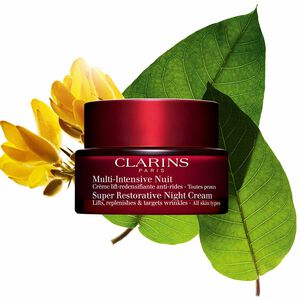


Restorative Skin Care
Restorative skin care is designed for moments when your complexion feels depleted, tight, rough or easily unsettled. Cleansing, changes in weather, indoor heating, wind and everyday exposure can all leave the skin’s moisture barrier feeling less comfortable, particularly when hydration is not replenished consistently. A restorative routine focuses on gentle, nourishing care that helps the complexion retain moisture, feel calmer and regain a softer, more supple appearance. Look for formulas that combine humectants, soothing ingredients and barrier-supporting lipids rather than relying on a single hero ingredient. Hyaluronic acid is a popular choice because it binds water to the skin’s surface, helping it feel cushioned and refreshed, while panthenol, also known as vitamin B5, is valued for its comforting and moisturising properties. Ceramides help support the skin barrier by reinforcing the lipids naturally found in the outer layers, and peptides can help support the appearance of smoother, more resilient-looking skin. Prebiotic oat is often chosen for its nourishing feel and its ability to help comfort dry, sensitive complexions, while aloe can add a light, cooling touch to creams and lotions. Madecassoside is another ingredient commonly found in restorative formulas, appreciated for its soothing qualities when the skin feels delicate or stressed. The right texture matters just as much as the ingredient list. A lightweight lotion may suit skin that feels dehydrated but dislikes a rich finish, whereas a cream or multi-purpose balm can be more suitable for areas that feel flaky or particularly dry. For a simple routine, begin with a gentle cleanser that leaves no tight after-feel, follow with a hydrating serum or lotion, then apply a moisturiser to help seal in comfort. A balm can be pressed over the driest areas, such as around the nose, cheeks, hands or lips, avoiding any areas where a formula may feel too rich. Apply products with clean hands and smooth them over the face without vigorous rubbing; when the complexion is sensitive, a soft pressing motion can feel far more pleasant than prolonged massage. Introduce one new formula at a time, especially when skin is reactive, so it is easier to understand how your complexion responds. Always follow the instructions supplied with each product, and consider a small patch test if you are prone to sensitivity.
Restorative skin care can suit anyone who wants a more comforting, moisture-focused routine, from those experiencing seasonal dryness to people whose complexion feels tight after cleansing or exposed to changing conditions. It can also be a thoughtful beauty gift because nourishing textures and uncomplicated routines are easy to incorporate, even for someone who prefers a pared-back approach. A soothing cream or balm can make a practical present for a frequent traveller, a fitness enthusiast, or anyone who keeps skincare beside the sink, in a handbag or on a bedside table. For a gift, choose a versatile texture and gentle ingredient profile rather than a highly targeted formula, particularly when you do not know the recipient’s preferences. Those with very dry skin may appreciate a richer cream containing ceramides, panthenol, oat or nourishing emollients, while combination skin may prefer a serum with hyaluronic acid followed by a lighter moisturiser. Skin that flushes or feels easily irritated may benefit from fragrance-conscious formulas with a short, clearly presented ingredient list and a soft, uncomplicated texture. Restorative care does not need to feel heavy or elaborate: a few well-chosen layers can create the sensation of wrapping the complexion in a fine, comfortable veil, like the first warm scarf worn when cooler air arrives. Use hydrating products on slightly damp skin where suitable, allowing each layer to settle before applying the next, and avoid pairing a fragile-feeling complexion with numerous exfoliating or intensely active formulas at once. If the skin feels sore, cracked or persistently uncomfortable, simplify the routine and seek advice from a qualified healthcare professional. A restorative collection may include a daily moisturiser, a replenishing serum, a nourishing balm and a gentle lotion, giving you flexibility to adjust the feel of your routine as your skin changes. Explore Regenerative Skincare for further nourishing beauty options, then select textures that feel pleasant enough to use consistently. The most effective routine is one that fits naturally into your habits: a light layer beneath makeup, a comforting cream after cleansing or a balm smoothed over dry areas before settling into bed. With regular, attentive application, restorative skin care helps create a complexion that feels hydrated, calm and cared for, with a fresh softness that can be seen and felt.
Restorative skin care can suit anyone who wants a more comforting, moisture-focused routine, from those experiencing seasonal dryness to people whose complexion feels tight after cleansing or exposed to changing conditions. It can also be a thoughtful beauty gift because nourishing textures and uncomplicated routines are easy to incorporate, even for someone who prefers a pared-back approach. A soothing cream or balm can make a practical present for a frequent traveller, a fitness enthusiast, or anyone who keeps skincare beside the sink, in a handbag or on a bedside table. For a gift, choose a versatile texture and gentle ingredient profile rather than a highly targeted formula, particularly when you do not know the recipient’s preferences. Those with very dry skin may appreciate a richer cream containing ceramides, panthenol, oat or nourishing emollients, while combination skin may prefer a serum with hyaluronic acid followed by a lighter moisturiser. Skin that flushes or feels easily irritated may benefit from fragrance-conscious formulas with a short, clearly presented ingredient list and a soft, uncomplicated texture. Restorative care does not need to feel heavy or elaborate: a few well-chosen layers can create the sensation of wrapping the complexion in a fine, comfortable veil, like the first warm scarf worn when cooler air arrives. Use hydrating products on slightly damp skin where suitable, allowing each layer to settle before applying the next, and avoid pairing a fragile-feeling complexion with numerous exfoliating or intensely active formulas at once. If the skin feels sore, cracked or persistently uncomfortable, simplify the routine and seek advice from a qualified healthcare professional. A restorative collection may include a daily moisturiser, a replenishing serum, a nourishing balm and a gentle lotion, giving you flexibility to adjust the feel of your routine as your skin changes. Explore Regenerative Skincare for further nourishing beauty options, then select textures that feel pleasant enough to use consistently. The most effective routine is one that fits naturally into your habits: a light layer beneath makeup, a comforting cream after cleansing or a balm smoothed over dry areas before settling into bed. With regular, attentive application, restorative skin care helps create a complexion that feels hydrated, calm and cared for, with a fresh softness that can be seen and felt.

