
Regenerative Skincare
In recent years, there has been a growing interest in regenerative skincare, a holistic approach to skin health that focuses on promoting the body's natural ability to repair and renew itself. This approach emphasizes the use of potent ingredients and advanced technologies to stimulate collagen production, improve skin texture, and reduce the signs of ageing.


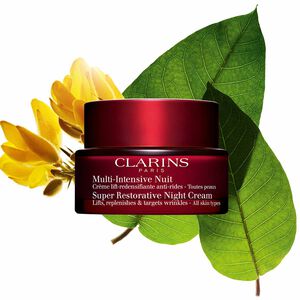


Regenerative Skincare
Regenerative skincare is centred on supporting the skin’s own renewal, repair and comfort processes, rather than simply covering the look of dryness or uneven texture. This approach often combines barrier-supporting moisturisers with advanced ingredients designed to communicate with skin cells, helping create the conditions for a smoother, more supple and resilient complexion. Peptides, growth factors, biomimetic ingredients, hyaluronic acid and PDRN are commonly associated with this category. Peptides can help support the appearance of firmness and elasticity, while hyaluronic acid attracts moisture to leave skin feeling cushioned and refreshed. PDRN, also known as polydeoxyribonucleotide, is used in some skincare formulas for its skin-conditioning and soothing properties; it may be sourced from salmon DNA, so anyone with specific preferences or sensitivities should check the ingredient list carefully. Exosomes are another ingredient gaining attention for their role in cellular communication, although their source, concentration and supporting formula can vary considerably between products. The most useful regenerative routine is not necessarily the one with the longest ingredient list. Look for formulas that suit your skin type, feel comfortable when applied and support the moisture barrier with ingredients such as ceramides, glycerine, squalane, panthenol or nourishing plant extracts. If your complexion feels tight after cleansing, becomes easily flushed or shows signs of persistent discomfort, a gentle, replenishing formula may be a more appropriate starting point than a highly active treatment. For a broader selection of complexion products focused on restoring a fresh, healthy-looking appearance, explore Revitalising Skincare.
When choosing regenerative skincare, consider how the product will fit into the routine you already use. A lightweight serum can be pressed into clean skin before moisturiser, while a richer cream may be more comfortable as the final step, particularly when cooler weather leaves the complexion feeling rough or less supple. Apply with the fingertips rather than rubbing vigorously; gentle pressing helps distribute the formula evenly and makes the ritual feel calm and considered. If a product contains potent actives, introduce it gradually and follow the usage guidance provided. Avoid layering several unfamiliar treatments at once, as this can make it difficult to identify what your skin enjoys and may leave it feeling unsettled. Daytime routines should include broad-spectrum sun protection, especially when using ingredients that encourage visible renewal. Regenerative skincare can suit a wide range of routines, including those focused on dryness, dehydration, lack of radiance, rough texture, visible fine lines or a weakened-feeling barrier. It can also make a thoughtful gift for someone who enjoys a polished self-care ritual, provided you choose a texture that matches their preferences: silky serum for a skincare enthusiast, comforting cream for someone who favours richer textures, or a soothing mask for a relaxing evening at home. Keep sensitivities, fragrance preferences and known allergies in mind, and remember that sophisticated skincare is personal. A simple routine used consistently can feel more rewarding than a crowded shelf of treatments. Picture the difference between skin that feels parched and papery after cleansing and skin that feels soft, flexible and quietly comfortable beneath your fingertips. Regenerative skincare is designed to support that sense of balance through carefully selected ingredients, thoughtful application and regular barrier care.
When choosing regenerative skincare, consider how the product will fit into the routine you already use. A lightweight serum can be pressed into clean skin before moisturiser, while a richer cream may be more comfortable as the final step, particularly when cooler weather leaves the complexion feeling rough or less supple. Apply with the fingertips rather than rubbing vigorously; gentle pressing helps distribute the formula evenly and makes the ritual feel calm and considered. If a product contains potent actives, introduce it gradually and follow the usage guidance provided. Avoid layering several unfamiliar treatments at once, as this can make it difficult to identify what your skin enjoys and may leave it feeling unsettled. Daytime routines should include broad-spectrum sun protection, especially when using ingredients that encourage visible renewal. Regenerative skincare can suit a wide range of routines, including those focused on dryness, dehydration, lack of radiance, rough texture, visible fine lines or a weakened-feeling barrier. It can also make a thoughtful gift for someone who enjoys a polished self-care ritual, provided you choose a texture that matches their preferences: silky serum for a skincare enthusiast, comforting cream for someone who favours richer textures, or a soothing mask for a relaxing evening at home. Keep sensitivities, fragrance preferences and known allergies in mind, and remember that sophisticated skincare is personal. A simple routine used consistently can feel more rewarding than a crowded shelf of treatments. Picture the difference between skin that feels parched and papery after cleansing and skin that feels soft, flexible and quietly comfortable beneath your fingertips. Regenerative skincare is designed to support that sense of balance through carefully selected ingredients, thoughtful application and regular barrier care.

