
Products For Oily Skin
Oily skin can be a challenge to manage, but with the right products, it is possible to keep shine at bay and maintain a clear complexion. When selecting products for oily skin, it is important to choose those that are specifically formulated to control excess oil production without stripping the skin of its natural moisture.
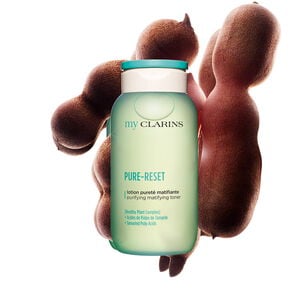


Products For Oily Skin
Products for oily skin are designed to address excess surface oil while keeping the complexion hydrated and comfortable. Lightweight textures, a non-greasy feel and a finish that softens visible shine are useful qualities across face washes, facial toners, serums and moisturisers. Oily skin can look glossy across the forehead, nose and chin, or feel slick over the cheeks as well. It can also feel tight or thirsty, because oiliness and dehydration are different concerns: the presence of surface oil does not mean that skin has enough water. Suitable skincare therefore offers more than a very matte finish. It should leave the face feeling supple rather than stripped, with textures that sit comfortably on the skin instead of forming a heavy, sticky layer. Gel moisturisers, fluid lotions and water-based serums can suit those who dislike the weight of richer creams, while a light gel-cream may appeal to someone whose shiny T-zone is paired with cheeks that feel dry. An oil-free label can help narrow the choice, but the complete formula matters more than any single description. Non-comedogenic means that a formula is designed not to block follicles; it is a useful consideration for blemish-prone skin, although it cannot guarantee that every complexion will respond in the same way. Oily skin is not always blemish-prone, either, so a comfortable moisturiser and a gentle face wash may be more relevant than a collection of intensive treatments. The most suitable products reflect the skin’s particular combination of shine, sensitivity, uneven texture and hydration needs. For someone who finds glasses slipping at the bridge of the nose or notices a slick feeling around the hairline, a lightweight, mattifying texture may be especially appealing. Someone with shine and a tight feeling across the cheeks may prefer hydration with a soft satin finish. Neither preference requires skin to feel completely dry to the touch; comfort is an important part of a well-matched formula.
Face washes for oily skin should lift away excess sebum, perspiration and surface residue without leaving an uncomfortable, squeaky sensation. Rinse-off gels and soft foaming textures offer different sensory experiences, but the amount of foam alone does not indicate how gentle or suitable a formula will be. A face wash that rinses readily and leaves skin feeling flexible provides a comfortable foundation for other skincare. Facial toners can offer an additional lightweight layer, with hydrating or exfoliating options serving different purposes. A hydrating toner suits skin that feels thirsty beneath the shine, while an exfoliating formula may be relevant where oiliness appears alongside roughness or blemishes. Salicylic acid is an oil-soluble exfoliating ingredient used in some products for oily, blemish-prone skin to help address congestion. It does not need to appear in every part of a skincare routine, and combining several exfoliating formulas can leave skin feeling irritated rather than smooth. Niacinamide is another ingredient to look for when uneven texture, visible shine and skin-barrier support are priorities. Its suitability depends on the complete formula and the skin’s tolerance, not simply the percentage shown on the label. Hydrating ingredients such as glycerin and hyaluronic acid attract water, helping to support a plump, comfortable feel without requiring a particularly rich texture. Ceramides can also be useful where oily skin feels fragile or dehydrated, as they help support the skin’s moisture barrier. These ingredients have distinct roles, so a serum chosen for hydration is not interchangeable with an exfoliating treatment. Texture offers another point of difference: a watery serum can feel almost weightless, whereas a light emulsion provides a little more cushioning. For skin that stings easily or reacts to fragranced formulas, fragrance-free options may be worth considering. Persistent, painful blemishes or significant irritation call for advice from a pharmacist or dermatologist rather than an increasingly complicated selection of cosmetics. Skincare should support comfortable skin, not demand tolerance of persistent tightness, soreness or flaking.
Moisturisers for oily skin bring hydration and surface finish together, making their texture particularly important. A gel that spreads in a thin, even layer can appeal to someone who dislikes the sensation of cream on the face, while a fluid lotion may offer a softer, more cushioned feel without excessive richness. Mattifying formulas can help absorb surface oil or soften its appearance, but a matte finish is a cosmetic effect rather than proof that the skin is adequately hydrated. The aim is a complexion that feels smooth and comfortable, not taut. A small amount that spreads readily can also make application more pleasant around the nose and along the jaw, where thicker textures may feel noticeable. Facial sun protection belongs within this selection too: broad-spectrum SPF 30 or above helps protect against UVA and UVB rays, and lightweight fluids or gel textures can make protection more comfortable for oily skin. Sun protection should be applied and reapplied according to its label, with the specified amount taking priority over a preference for a barely perceptible layer. Across skincare categories, compatibility matters. Products that sit smoothly together are preferable to layers that roll into small flakes or leave a tacky film, especially for anyone who also wears make-up. Complementary cosmetic options can be explored through Make Up Essentials For Oily Skin. Packaging is another practical consideration: secure caps help prevent leaks in a wash bag, and pumps or narrow dispensing openings can make lightweight liquids easier to portion without spills. Following storage directions and keeping containers properly closed helps protect the condition of the formula. For gifting, familiar textures and the recipient’s stated preferences are more thoughtful starting points than strong exfoliating treatments chosen without knowing their tolerance. Whether the preference is for a pared-back selection or separate formulas for distinct concerns, products for oily skin should work towards the same balance: manageable shine, adequate hydration and a finish that feels at ease on the face.
Face washes for oily skin should lift away excess sebum, perspiration and surface residue without leaving an uncomfortable, squeaky sensation. Rinse-off gels and soft foaming textures offer different sensory experiences, but the amount of foam alone does not indicate how gentle or suitable a formula will be. A face wash that rinses readily and leaves skin feeling flexible provides a comfortable foundation for other skincare. Facial toners can offer an additional lightweight layer, with hydrating or exfoliating options serving different purposes. A hydrating toner suits skin that feels thirsty beneath the shine, while an exfoliating formula may be relevant where oiliness appears alongside roughness or blemishes. Salicylic acid is an oil-soluble exfoliating ingredient used in some products for oily, blemish-prone skin to help address congestion. It does not need to appear in every part of a skincare routine, and combining several exfoliating formulas can leave skin feeling irritated rather than smooth. Niacinamide is another ingredient to look for when uneven texture, visible shine and skin-barrier support are priorities. Its suitability depends on the complete formula and the skin’s tolerance, not simply the percentage shown on the label. Hydrating ingredients such as glycerin and hyaluronic acid attract water, helping to support a plump, comfortable feel without requiring a particularly rich texture. Ceramides can also be useful where oily skin feels fragile or dehydrated, as they help support the skin’s moisture barrier. These ingredients have distinct roles, so a serum chosen for hydration is not interchangeable with an exfoliating treatment. Texture offers another point of difference: a watery serum can feel almost weightless, whereas a light emulsion provides a little more cushioning. For skin that stings easily or reacts to fragranced formulas, fragrance-free options may be worth considering. Persistent, painful blemishes or significant irritation call for advice from a pharmacist or dermatologist rather than an increasingly complicated selection of cosmetics. Skincare should support comfortable skin, not demand tolerance of persistent tightness, soreness or flaking.
Moisturisers for oily skin bring hydration and surface finish together, making their texture particularly important. A gel that spreads in a thin, even layer can appeal to someone who dislikes the sensation of cream on the face, while a fluid lotion may offer a softer, more cushioned feel without excessive richness. Mattifying formulas can help absorb surface oil or soften its appearance, but a matte finish is a cosmetic effect rather than proof that the skin is adequately hydrated. The aim is a complexion that feels smooth and comfortable, not taut. A small amount that spreads readily can also make application more pleasant around the nose and along the jaw, where thicker textures may feel noticeable. Facial sun protection belongs within this selection too: broad-spectrum SPF 30 or above helps protect against UVA and UVB rays, and lightweight fluids or gel textures can make protection more comfortable for oily skin. Sun protection should be applied and reapplied according to its label, with the specified amount taking priority over a preference for a barely perceptible layer. Across skincare categories, compatibility matters. Products that sit smoothly together are preferable to layers that roll into small flakes or leave a tacky film, especially for anyone who also wears make-up. Complementary cosmetic options can be explored through Make Up Essentials For Oily Skin. Packaging is another practical consideration: secure caps help prevent leaks in a wash bag, and pumps or narrow dispensing openings can make lightweight liquids easier to portion without spills. Following storage directions and keeping containers properly closed helps protect the condition of the formula. For gifting, familiar textures and the recipient’s stated preferences are more thoughtful starting points than strong exfoliating treatments chosen without knowing their tolerance. Whether the preference is for a pared-back selection or separate formulas for distinct concerns, products for oily skin should work towards the same balance: manageable shine, adequate hydration and a finish that feels at ease on the face.

