
Nourishing Lip Oil
Nourishing lip oil is the perfect addition to your beauty routine, providing a luxurious and hydrating experience for your lips. Infused with rich, moisturising ingredients, these oils help to keep your lips soft, smooth, and supple. Ideal for everyday use or as a special treat, nourishing lip oil delivers a beautiful sheen while ensuring your lips stay comfortable and cared for. Indulge in the ultimate lip care with these exquisite oils that enhance both the look and feel of your lips.


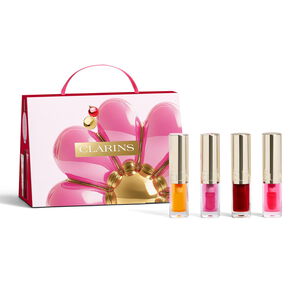


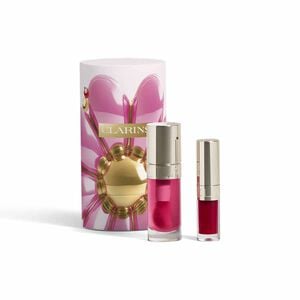
Nourishing Lip Oil
Nourishing lip oil combines the conditioning feel of an oil-rich lip product with a glossy finish, helping lips feel softer while adding a clear sheen or sheer wash of colour. It suits anyone who enjoys the look of gloss but wants comfort to be just as important as shine. The texture can range from fluid and silky to plush and cushiony, so not every lip oil feels alike. Some glide across the lips with barely perceptible weight; others leave a richer coating that feels especially comforting on dry lips. Unlike a lipstick chosen for its coverage, a lip oil generally lets the underlying lip colour show through, giving the finish a translucent quality. Clear versions create a glass-like gleam, while tinted options can add anything from a delicate pink flush to a deeper berry hue. The distinction between lip oil and lip gloss is not absolute: both can deliver shine, and both may contain conditioning ingredients. What matters most is the balance of texture, colour and comfort in the individual formula. A nourishing lip oil is typically designed around emollients, which help soften the lip surface and support a supple feel. Its smooth finish can also make dry-looking texture appear less noticeable, although a cosmetic lip oil is not a treatment for cracked or irritated lips. For an understated look, a light layer on bare lips offers polish without the precision associated with an opaque lip colour. Think of the soft reflection of light on the centre of the lower lip rather than a sharply defined block of pigment. This makes lip oil appealing to those who prefer minimal make-up, as well as anyone who likes to add a glossy accent to a more defined lip look. The appeal is straightforward: a small touch of shine, a comfortable coating and colour that can feel easy to wear.
Choosing a nourishing lip oil starts with how you want your lips to feel. If you dislike a thick coating, look for a fluid texture and a description that specifically mentions a lightweight or non-sticky finish. An oil-based name alone does not guarantee either quality, as the complete formula determines the feel. If your lips tend to feel dry or tight, a richer, more cushioned texture may be more appealing. Ingredients such as jojoba oil, avocado oil, coconut oil and sweet almond oil can act as emollients, helping to soften and condition the lips. Some formulas also include hyaluronic acid, a humectant that attracts moisture, or vitamin E, which can serve an antioxidant role within a formula. An ingredient list is useful, but it does not tell the whole story: the proportions, blend and overall formulation affect the result. Choose according to the product’s stated benefits rather than assuming that a particular ingredient guarantees deeper hydration or a weightless finish. Fragrance and flavour are worth considering, too. A softly scented lip oil can make application feel indulgent, while a fragrance-free option may appeal if scented lip products are not comfortable for you. Anyone with a known ingredient allergy should check the full ingredient list, especially where nut-derived oils are included. Shade choice deserves equal attention. A sheer rose tint may blend closely with your own lip colour, whereas peach can add warmth and berry can provide more visible contrast. The same translucent shade can look quite different across lip tones, so swatches on a similar lip colour are more helpful than the colour in the tube alone. For shine without added pigment, choose clear. For a little definition without opaque coverage, choose a tint. Product descriptions and swatches can help distinguish a subtle veil of colour from a more noticeable finish, making it easier to find the balance that feels right for you.
Packaging and application are part of the pleasure of a nourishing lip oil, but they also make a practical difference. A broad, softly shaped applicator can spread the formula across the lips in a generous sweep, while a narrower tip offers more precision around the lip line. A secure closure is useful for a product carried in a handbag, and the amount held on the applicator affects how easily you can control the coating. A thin layer is a sensible starting point: it lets you judge the slip and shine without applying more than feels comfortable. Concentrating a little extra gloss at the centre of the lips creates a rounded-looking finish, while spreading it evenly gives a more uniform sheen. If you enjoy a defined outline, pair lip oil with a lip pencil close to your lip colour, keeping the pencil softly blended rather than leaving a hard edge. It can also complement Nourishing Lipstick when you want fuller colour beneath a glossy finish, although the added slip may soften the definition of the lipstick. Apply sparingly and check how the textures sit together. For someone who prefers an unfussy make-up bag, a clear or softly tinted lip oil can be a versatile choice, bringing a polished touch to an otherwise pared-back look. As a gift, it suits a friend, sister or mum who enjoys comfortable lip textures and a little shine. Clear finishes remove much of the guesswork around shade, while a tint chosen to reflect the recipient’s usual lip colours feels more personal. Consider scent preferences, texture and packaging as carefully as colour; a beautiful shade is only part of what makes a lip product enjoyable to use. Whether chosen for yourself or someone else, the most satisfying nourishing lip oil is one whose feel and finish match the wearer’s preferences: silky or cushiony, clear or tinted, quietly glossy or wonderfully lustrous.
Choosing a nourishing lip oil starts with how you want your lips to feel. If you dislike a thick coating, look for a fluid texture and a description that specifically mentions a lightweight or non-sticky finish. An oil-based name alone does not guarantee either quality, as the complete formula determines the feel. If your lips tend to feel dry or tight, a richer, more cushioned texture may be more appealing. Ingredients such as jojoba oil, avocado oil, coconut oil and sweet almond oil can act as emollients, helping to soften and condition the lips. Some formulas also include hyaluronic acid, a humectant that attracts moisture, or vitamin E, which can serve an antioxidant role within a formula. An ingredient list is useful, but it does not tell the whole story: the proportions, blend and overall formulation affect the result. Choose according to the product’s stated benefits rather than assuming that a particular ingredient guarantees deeper hydration or a weightless finish. Fragrance and flavour are worth considering, too. A softly scented lip oil can make application feel indulgent, while a fragrance-free option may appeal if scented lip products are not comfortable for you. Anyone with a known ingredient allergy should check the full ingredient list, especially where nut-derived oils are included. Shade choice deserves equal attention. A sheer rose tint may blend closely with your own lip colour, whereas peach can add warmth and berry can provide more visible contrast. The same translucent shade can look quite different across lip tones, so swatches on a similar lip colour are more helpful than the colour in the tube alone. For shine without added pigment, choose clear. For a little definition without opaque coverage, choose a tint. Product descriptions and swatches can help distinguish a subtle veil of colour from a more noticeable finish, making it easier to find the balance that feels right for you.
Packaging and application are part of the pleasure of a nourishing lip oil, but they also make a practical difference. A broad, softly shaped applicator can spread the formula across the lips in a generous sweep, while a narrower tip offers more precision around the lip line. A secure closure is useful for a product carried in a handbag, and the amount held on the applicator affects how easily you can control the coating. A thin layer is a sensible starting point: it lets you judge the slip and shine without applying more than feels comfortable. Concentrating a little extra gloss at the centre of the lips creates a rounded-looking finish, while spreading it evenly gives a more uniform sheen. If you enjoy a defined outline, pair lip oil with a lip pencil close to your lip colour, keeping the pencil softly blended rather than leaving a hard edge. It can also complement Nourishing Lipstick when you want fuller colour beneath a glossy finish, although the added slip may soften the definition of the lipstick. Apply sparingly and check how the textures sit together. For someone who prefers an unfussy make-up bag, a clear or softly tinted lip oil can be a versatile choice, bringing a polished touch to an otherwise pared-back look. As a gift, it suits a friend, sister or mum who enjoys comfortable lip textures and a little shine. Clear finishes remove much of the guesswork around shade, while a tint chosen to reflect the recipient’s usual lip colours feels more personal. Consider scent preferences, texture and packaging as carefully as colour; a beautiful shade is only part of what makes a lip product enjoyable to use. Whether chosen for yourself or someone else, the most satisfying nourishing lip oil is one whose feel and finish match the wearer’s preferences: silky or cushiony, clear or tinted, quietly glossy or wonderfully lustrous.

