
Hydrating Foundation For Winter
Discover the secret to a radiant, comfortable complexion throughout the colder months with hydrating foundation. When temperatures drop and skin craves extra care, a moisture-rich foundation helps maintain a smooth, luminous finish while providing essential comfort. Explore options designed to deliver seamless coverage and a healthy-looking glow, ensuring your beauty routine remains flawless and fresh no matter the weather. Find your perfect match for hydrated, beautifully even skin all season long.


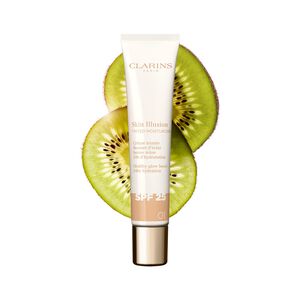

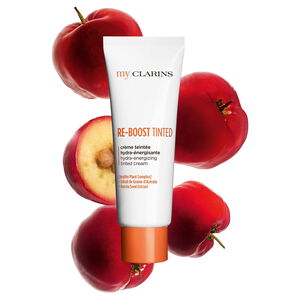
Hydrating Foundation for Winter
Winter foundation is chosen for the way it helps complexion makeup sit comfortably when cooler weather leaves skin looking less fresh, more textured or prone to dryness. A hydrating foundation can give the face a smoother, softer-looking finish while adding complexion coverage that feels flexible rather than heavy. Look for liquid or cream textures with a luminous, satin or natural finish if you prefer skin to retain a touch of visible radiance. Ingredients such as hyaluronic acid, glycerin and squalane are often included in complexion formulas to help the skin feel cushioned, while ceramides and emollient oils can lend a more comfortable finish to areas that tend to feel tight. These ingredients do not replace your usual skincare routine, but they can make a foundation feel more supple and help it glide across the complexion without catching on dry-looking patches. For a fresh winter makeup look, sheer coverage can gently even the appearance of the complexion while allowing freckles and natural features to remain visible. Medium coverage offers a little more uniformity for occasions when you want a polished finish, while fuller coverage can be useful when you prefer a more perfected appearance. The right choice depends on how much coverage feels comfortable, the finish you enjoy and the areas of the face you want to enhance. Those with dry or dehydrated-feeling skin may prefer a foundation that looks radiant rather than powder-matte, as flatter finishes can sometimes emphasise uneven texture. Combination skin can benefit from a balanced formula with a natural finish, applied in finer layers through the centre of the face and more sparingly over drier areas. Sensitive-feeling complexions may favour fragrance-free options with a short, considered ingredient list and a lightweight texture that does not feel congested. Shade selection remains just as important as finish. Test a few close matches along the jawline and check how each shade blends into both the face and neck, rather than relying only on the hand, which can differ in tone. Undertone is useful to consider too: warm shades tend to have golden or peach notes, cool shades can appear pink or rosy, and neutral shades sit between the two. A well-matched foundation should look like a seamless continuation of the complexion, with no obvious line beneath the jaw. For anyone shopping for a winter makeup refresh, a hydrating base is a practical choice because it can work for everyday looks, softly defined evening makeup and special occasions when a comfortable glow is welcome. It can also make a thoughtful gift for someone who enjoys complexion makeup, particularly when you know their preferred coverage, finish and shade family. If their exact shade is uncertain, a gift card or a flexible complexion product may be more suitable than guessing, as undertone and depth can be personal.
Application makes a noticeable difference to the final appearance of a hydrating foundation. Begin with a small amount in the centre of the face, where redness or uneven tone may be more visible, then blend out towards the hairline and jaw. This approach keeps the finish light around the edges and allows you to build coverage only where it is needed. A damp makeup sponge can press liquid foundation gently into the complexion, creating an even, softly blended result without dragging across areas that look flaky. A foundation brush can also work well when used with light, short strokes, particularly for medium or fuller coverage; pressing and stippling is often more comfortable than sweeping firmly over the face. Warm a little product between clean fingertips before applying if you enjoy a close, skin-like finish, then use the remaining trace around the nose, mouth and hairline. These small details help prevent visible build-up in expression lines and around the brows. When the weather feels cooler, a radiant base can be paired with cream blush and a touch of cream highlighter for a cohesive, fresh-looking complexion, while a light veil of finely milled powder may be placed only where shine tends to appear. Avoid applying a generous layer of powder over the entire face if your aim is a supple finish, as it can reduce the luminosity that makes hydrating foundation look so natural. A setting mist designed for makeup can add comfort and help the layers appear more unified, while a compact foundation or concealer can be useful for keeping makeup looking neat when moving between indoor and outdoor settings. Those who prefer a barely-there look can mix a small amount of foundation with a lightweight complexion product, or use it only on the centre of the face and blend the edges until the coverage fades naturally. Those who enjoy a polished finish can apply one fine layer, allow it to settle, then add a second layer only across areas needing extra coverage. Explore the full selection of Hydrating Foundations to compare textures, finishes and coverage levels suited to a comfortable winter complexion. Whether you prefer a dewy glow that catches the light, a refined satin finish or a breathable base with buildable coverage, the most flattering result is one that blends smoothly, feels comfortable and complements the rest of your makeup.
Application makes a noticeable difference to the final appearance of a hydrating foundation. Begin with a small amount in the centre of the face, where redness or uneven tone may be more visible, then blend out towards the hairline and jaw. This approach keeps the finish light around the edges and allows you to build coverage only where it is needed. A damp makeup sponge can press liquid foundation gently into the complexion, creating an even, softly blended result without dragging across areas that look flaky. A foundation brush can also work well when used with light, short strokes, particularly for medium or fuller coverage; pressing and stippling is often more comfortable than sweeping firmly over the face. Warm a little product between clean fingertips before applying if you enjoy a close, skin-like finish, then use the remaining trace around the nose, mouth and hairline. These small details help prevent visible build-up in expression lines and around the brows. When the weather feels cooler, a radiant base can be paired with cream blush and a touch of cream highlighter for a cohesive, fresh-looking complexion, while a light veil of finely milled powder may be placed only where shine tends to appear. Avoid applying a generous layer of powder over the entire face if your aim is a supple finish, as it can reduce the luminosity that makes hydrating foundation look so natural. A setting mist designed for makeup can add comfort and help the layers appear more unified, while a compact foundation or concealer can be useful for keeping makeup looking neat when moving between indoor and outdoor settings. Those who prefer a barely-there look can mix a small amount of foundation with a lightweight complexion product, or use it only on the centre of the face and blend the edges until the coverage fades naturally. Those who enjoy a polished finish can apply one fine layer, allow it to settle, then add a second layer only across areas needing extra coverage. Explore the full selection of Hydrating Foundations to compare textures, finishes and coverage levels suited to a comfortable winter complexion. Whether you prefer a dewy glow that catches the light, a refined satin finish or a breathable base with buildable coverage, the most flattering result is one that blends smoothly, feels comfortable and complements the rest of your makeup.

