
Foundation For Tired Skin
Discover foundations expertly crafted to revive the look and feel often associated with tired skin. These formulas are designed to provide a smooth, radiant finish, helping to create a fresh-faced appearance with every application. Whether you’re after a dewy glow or a soft matte effect, find the perfect match to enhance your complexion and boost your confidence throughout the day. Explore options that blend seamlessly for comfortable wear and help you achieve a beautifully energised look.


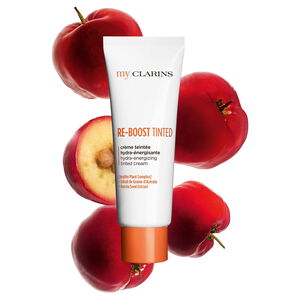
Foundation For Tired Skin
Foundation for tired skin is about bringing light, softness and an even appearance to a complexion that looks dull or drawn. A lightweight, hydrating foundation with a radiant or satin finish can help skin look fresher without creating a heavy layer of make-up. The most flattering effect is not necessarily the fullest coverage: a supple texture that blends smoothly across the cheeks and around the nose can make a greater difference than an opaque finish. Tired-looking skin can appear flat, uneven or lacking in lustre, so foundations that combine gentle luminosity with adjustable coverage are particularly relevant to this collection. Sheer coverage lets more of the complexion show through, while medium coverage offers greater evening of visible redness and uneven tone. Fuller coverage can also suit this look, provided the texture remains flexible and the finish does not appear thick or chalky. Hydrating ingredients, such as hyaluronic acid or glycerin, are worth considering where they feature in a foundation, especially if skin feels tight or make-up tends to catch on dry areas. These ingredients can help support a more comfortable feel, although the finish and performance depend on the complete formula. Radiance should look like a soft reflection across the cheekbones rather than a layer of obvious sparkle. A dewy finish gives a more noticeable sheen, while satin offers a gentler balance between luminosity and a softly set appearance. For someone who prefers understated make-up, that distinction can be more useful than simply choosing a foundation labelled radiant. The aim is a complexion that appears more even and softly illuminated, with enough flexibility for facial expression. Foundation changes how tired-looking skin appears; it does not address the reasons for tiredness. Its role is cosmetic, offering a polished base that still feels appropriate for the person wearing it, whether paired with a subtle lip colour or a more expressive make-up look.
Texture, shade and skin type all influence how successfully a foundation creates that fresh-faced effect. Fluid foundations often spread easily in thin layers, making them suitable for someone who dislikes the feeling of substantial coverage. Creamier textures can provide a cushioned feel and more coverage, though richness alone does not guarantee a flattering result on dry skin. What matters is how evenly the formula sits, whether it gathers around textured areas and how comfortable it feels once blended. For a complexion with both dry cheeks and a shinier centre, a satin foundation can provide a useful middle ground: enough light reflection to avoid a flat appearance, without an all-over glossy finish. Skin prone to excess shine may suit a lightweight, softly matte base with a small amount of luminosity added only where wanted. Matte does not have to mean dull, just as radiant does not have to mean shiny. Shade selection is equally important, because a foundation that is too pale can make a tired complexion look ashy, while one that is too deep or too warm can create an obvious contrast with the neck. A close match along the jawline helps the face and neck look connected, and checking the colour in daylight makes differences in undertone easier to see. Pink, golden, peach and neutral undertones can each affect how a shade reads against the skin. The intention is to even the complexion rather than disguise it with a different colour. Coverage preferences also vary with the intended look: a sheer, luminous base can suit someone who enjoys visible freckles, whereas a more pigmented texture may appeal to someone seeking a uniform finish for photographs or an occasion. For gifting, a known shade and preferred finish are more reliable than a guess based on how the foundation looks in its bottle. Packaging, dispensing style and portability can matter too, particularly for someone who values precise application or carries make-up in a small bag.
The way foundation blends with other make-up helps shape the overall impression of tired-looking skin. A thin, even veil across the face, with a little extra coverage confined to areas that need it, usually looks softer than equally dense coverage everywhere. A damp make-up sponge can diffuse the edges of a fluid foundation, while a soft foundation brush offers more controlled placement around the nose and across the cheeks. Fingers can also work well with textures designed to blend easily, especially where a lighter application is preferred. The right method depends on the formula and the desired coverage, rather than a single rule for every complexion. Around the eyes and mouth, a lighter layer can be more flattering than repeated application, which may emphasise creases or dryness. Concealer can provide targeted coverage without requiring more foundation across the whole face. A restrained touch of powder through areas prone to shine can help balance a luminous base, leaving the cheeks with a softer glow. Generous powder application may make dry texture more visible, so the amount matters as much as the finish. Alongside foundation, a softly blended blusher can bring colour to a complexion that looks washed out, and a finely textured highlighter can add brightness without making the entire face reflective. The complementary textures and shades within Make-up For Tired Skin offer further ways to create a balanced look around the base. Wear performance is another consideration: resistance to transfer, comfortable flexibility and an even appearance across areas of movement can be more useful than a highly polished result that feels restrictive. Product care also supports consistent application, with securely closed packaging and applicators washed according to their care instructions helping to keep textures and tools in good condition. Whether the preference is barely visible coverage or a more finished complexion, a suitable foundation brings together a close shade match, comfortable texture and considered luminosity, allowing tired-looking skin to appear fresher without an overloaded make-up finish.

