
Face Make-up
Face makeup products are an essential part of many people's daily beauty routine. It can help to enhance features, even out skin tone, and create a flawless finish. There are various types of face makeup products available, including foundation, concealer, blush, bronzer, and highlighter.


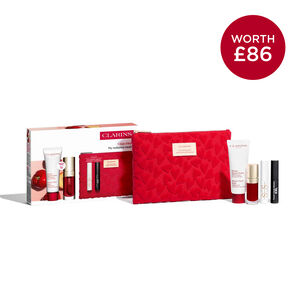


Face Make-up
Face make-up brings together the products used to create a balanced, polished complexion, from primer and foundation to concealer, powder, setting spray, blush, bronzer and highlighter. Each product has a distinct role, making it easier to build the level of coverage and definition that feels right for you. Begin with a clean, dry complexion and apply a small amount of make-up primer if you would like a smoother surface or a more even application. Primer can help foundation glide across the face, soften the appearance of uneven texture and create a comfortable base for the rest of your look. Foundation is designed to unify the appearance of the complexion, with liquid, cream and powder textures offering different finishes and coverage levels. Sheer formulas allow natural features such as freckles to remain visible, while medium or fuller coverage can create a more even-looking canvas when that is your preference. When choosing a shade, compare it with the skin along the jawline rather than the hand, as this gives a more accurate impression of how it will blend between the face and neck. Undertone is equally important: warm complexions often suit golden or peach nuances, cool complexions may harmonise with rosy or blue nuances, and neutral shades sit comfortably between the two. If you are selecting make-up for someone else, a flexible texture, buildable coverage and a neutral undertone can make a thoughtful gift, particularly when paired with a shade that is easy to blend. Concealer offers more targeted coverage, making it useful beneath the eyes, around the nose or over areas where you would like extra evening-out. Use a small amount first, pressing it into place with a fingertip, brush or sponge rather than applying a heavy layer. A finely milled face powder can help set cream and liquid make-up, reduce unwanted shine and add a soft-focus appearance, while setting spray can help the finished look feel more cohesive. The most flattering result is rarely about applying more; it is about placing each texture where it serves a purpose and blending the edges until the complexion looks seamless.
Colour products add shape, warmth and light to the face, helping a foundation-led look appear dimensional rather than flat. Bronzer can be swept lightly across areas where the face naturally catches warmth, such as the temples, upper cheeks and bridge of the nose, while contour shades are generally cooler and used sparingly to create subtle definition beneath the cheekbones or along the jawline. Blush brings freshness to the complexion and can be applied to the apples of the cheeks for a rounded effect or blended slightly upwards towards the temples for a lifted impression. Powder blushes are easy to layer, whereas cream and liquid textures can melt into foundation for a softer, more diffused finish. Highlighter places a veil of light on the high points of the face, including the tops of the cheekbones, brow bones and the bridge of the nose; a fine sheen tends to look more natural than visible particles. Finish and texture are worth considering alongside shade. Matte make-up can create a smooth, velvety appearance, satin finishes offer a gentle balance between radiance and shine, and luminous textures catch the light with a more noticeable glow. Those with drier-looking complexions may prefer fluid or cream face make-up that blends with a fresh finish, while powder textures can be helpful where shine is a concern. Combination complexions may benefit from mixing finishes, using a more refined texture through the centre of the face and a luminous formula across the cheeks. Application tools also influence the result: a brush provides controlled coverage, a damp sponge leaves a softly diffused finish, and fingertips are particularly useful for warming cream blush or highlighter before pressing it into the skin. I often think of face make-up as arranging light and colour like an artist working with delicate washes: start with a small amount, step back from the mirror, then add only where definition or brightness is needed. This approach suits quick everyday looks, carefully polished occasions and gifts chosen for someone who enjoys experimenting with complexion products. To explore complementary beauty essentials beyond colour cosmetics, visit Facial Skincare.
Colour products add shape, warmth and light to the face, helping a foundation-led look appear dimensional rather than flat. Bronzer can be swept lightly across areas where the face naturally catches warmth, such as the temples, upper cheeks and bridge of the nose, while contour shades are generally cooler and used sparingly to create subtle definition beneath the cheekbones or along the jawline. Blush brings freshness to the complexion and can be applied to the apples of the cheeks for a rounded effect or blended slightly upwards towards the temples for a lifted impression. Powder blushes are easy to layer, whereas cream and liquid textures can melt into foundation for a softer, more diffused finish. Highlighter places a veil of light on the high points of the face, including the tops of the cheekbones, brow bones and the bridge of the nose; a fine sheen tends to look more natural than visible particles. Finish and texture are worth considering alongside shade. Matte make-up can create a smooth, velvety appearance, satin finishes offer a gentle balance between radiance and shine, and luminous textures catch the light with a more noticeable glow. Those with drier-looking complexions may prefer fluid or cream face make-up that blends with a fresh finish, while powder textures can be helpful where shine is a concern. Combination complexions may benefit from mixing finishes, using a more refined texture through the centre of the face and a luminous formula across the cheeks. Application tools also influence the result: a brush provides controlled coverage, a damp sponge leaves a softly diffused finish, and fingertips are particularly useful for warming cream blush or highlighter before pressing it into the skin. I often think of face make-up as arranging light and colour like an artist working with delicate washes: start with a small amount, step back from the mirror, then add only where definition or brightness is needed. This approach suits quick everyday looks, carefully polished occasions and gifts chosen for someone who enjoys experimenting with complexion products. To explore complementary beauty essentials beyond colour cosmetics, visit Facial Skincare.

