
Best Lightweight Foundation For Sensitive Skin
Discovering a lightweight foundation that suits sensitive skin can transform your daily beauty routine. Effortlessly blending comfort with a flawless finish, these foundations are designed to enhance your complexion without feeling heavy. Enjoy a natural look that lets your skin breathe, while achieving smooth and even coverage. Explore options that cater to delicate skin, helping you create a radiant base for any occasion.


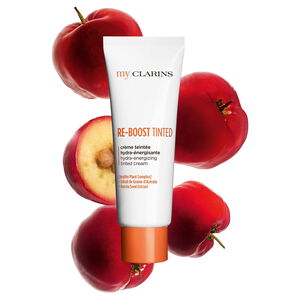


Best Lightweight Foundation for Sensitive Skin
Choosing a lightweight foundation for sensitive skin is about finding a comfortable balance between breathable texture, even-looking coverage and a finish that still resembles your natural complexion. A fluid or serum-style base can feel particularly appealing when heavier textures seem to sit on the skin, gather around expression lines or make redness look more noticeable. Lightweight does not have to mean barely there: many modern foundations offer sheer-to-medium, buildable coverage, allowing you to begin with a fine veil across the face and add a little more only where it is needed. This flexible approach can help soften the appearance of uneven tone, visible redness and blemishes without masking the character of the skin. When browsing this collection, look for descriptions such as fragrance-free, non-comedogenic and suitable for sensitive or reactive skin, while remembering that individual sensitivities vary. A shorter ingredient list may be reassuring if your complexion is easily unsettled, and formulas containing familiar moisturising agents such as glycerin, hyaluronic acid or squalane can give a softer, more comfortable feel. These ingredients are included here as foundation characteristics rather than as a substitute for a dedicated skincare routine. Finish is another important consideration: a natural or satin base can bring a gentle-looking freshness to dry or delicate complexions, while a soft matte texture may feel more comfortable on combination or oilier skin. Shade selection deserves equal attention. Check the undertone as well as the depth, comparing whether your complexion leans cool, warm, neutral or olive, and test a small amount along the jawline where the face and neck meet. Natural light is helpful for judging colour, while allowing the foundation to settle can make it easier to assess the final appearance. For a result that looks smooth rather than layered, apply a small amount first and build gradually in thin passes. This is especially useful for sensitive complexions, as vigorous rubbing can leave the face looking flushed. A collection of Lightweight Foundation options makes it easier to compare textures, finishes, coverage levels and shade families in one place, whether you prefer a barely-there tint or a more polished medium-coverage look.
Application technique can make a noticeable difference to both comfort and finish. Begin with clean hands, a freshly washed brush or a soft, damp makeup sponge, then place a few small dots of foundation across the centre of the face before blending outwards. Pressing and gently stippling tends to be kinder than dragging the product over the skin, particularly around the nose, cheeks and areas that flush easily. Fingers can warm a fluid texture and create a close, skin-like finish, while a damp sponge can diffuse coverage for a lighter effect and help prevent visible edges around the jawline. A soft brush offers a little more precision when you want to even out redness around the nostrils or add coverage to a blemish without applying a full layer everywhere. Keep the amount modest; a thin first layer usually looks more natural and gives you greater control than starting with heavy coverage. If your skin feels dry, a radiant or satin foundation may sit more comfortably, whereas a combination complexion may benefit from applying less product through the centre of the face and blending a sheer layer over the cheeks. Those prone to sensitivity may wish to patch test a foundation on a small area before applying it across the face, especially when trying a new cosmetic, and should stop use if discomfort occurs. Remove makeup gently at the end of the day with a method your skin already tolerates, avoiding unnecessary friction. Lightweight foundation can be a thoughtful gift for someone who enjoys understated makeup, prefers a quick morning routine or wants a versatile base for work, celebrations and relaxed weekends. It is also a useful choice for anyone refining their makeup bag and looking for one adaptable complexion product rather than several heavier bases. For a polished daytime look, pair a light layer with softly defined brows and a touch of colour on the cheeks; for an evening finish, build coverage only in selected areas and add carefully placed concealer where desired. The most wearable result is often the one that moves naturally with the face, feels comfortable from application through removal and allows the wearer to adjust coverage according to mood, outfit and occasion.
Application technique can make a noticeable difference to both comfort and finish. Begin with clean hands, a freshly washed brush or a soft, damp makeup sponge, then place a few small dots of foundation across the centre of the face before blending outwards. Pressing and gently stippling tends to be kinder than dragging the product over the skin, particularly around the nose, cheeks and areas that flush easily. Fingers can warm a fluid texture and create a close, skin-like finish, while a damp sponge can diffuse coverage for a lighter effect and help prevent visible edges around the jawline. A soft brush offers a little more precision when you want to even out redness around the nostrils or add coverage to a blemish without applying a full layer everywhere. Keep the amount modest; a thin first layer usually looks more natural and gives you greater control than starting with heavy coverage. If your skin feels dry, a radiant or satin foundation may sit more comfortably, whereas a combination complexion may benefit from applying less product through the centre of the face and blending a sheer layer over the cheeks. Those prone to sensitivity may wish to patch test a foundation on a small area before applying it across the face, especially when trying a new cosmetic, and should stop use if discomfort occurs. Remove makeup gently at the end of the day with a method your skin already tolerates, avoiding unnecessary friction. Lightweight foundation can be a thoughtful gift for someone who enjoys understated makeup, prefers a quick morning routine or wants a versatile base for work, celebrations and relaxed weekends. It is also a useful choice for anyone refining their makeup bag and looking for one adaptable complexion product rather than several heavier bases. For a polished daytime look, pair a light layer with softly defined brows and a touch of colour on the cheeks; for an evening finish, build coverage only in selected areas and add carefully placed concealer where desired. The most wearable result is often the one that moves naturally with the face, feels comfortable from application through removal and allows the wearer to adjust coverage according to mood, outfit and occasion.

