
Balms For Dry Sensitive Skin
Balms for dry, sensitive skin offer comforting care with gentle, nourishing formulas designed to soothe and hydrate. These rich, velvety textures melt into the skin, helping to relieve feelings associated with dryness and sensitivity. Ideal for those seeking a cocooning touch, balms provide a layer that leaves your complexion feeling soft and comforted. Discover options crafted to support delicate skin, making daily beauty routines a more soothing experience.


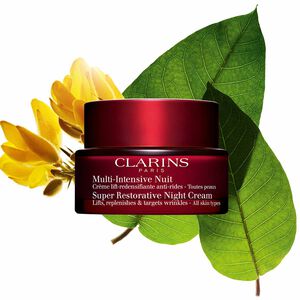


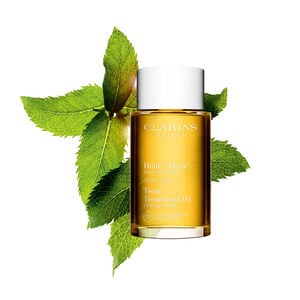
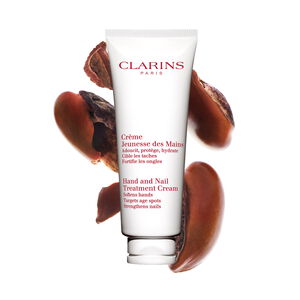

Balms for Dry Sensitive Skin
Balms for dry sensitive skin offer rich, cushioning care for skin that feels tight, rough or easily unsettled. Their appeal lies in the way they combine a comforting texture with ingredients that help hold moisture close to the skin’s surface. Dry skin lacks the oils needed to keep that surface supple, while sensitivity can make fragrance, friction or an unsuitable formula feel uncomfortable. A balm suited to both concerns should therefore do more than feel rich: it should help soften dry patches without leaving skin feeling overwhelmed. Compared with a lightweight lotion, a balm usually has a thicker consistency and a more enveloping finish, although textures range from soft, buttery creams to dense ointment-like preparations. Some spread into a fine, flexible veil; others leave a more noticeable protective layer. The right fit depends on where the balm will be applied, how dry the skin feels and personal preference for texture. A small patch beside the nose may call for precise application, whereas dry shins or elbows may benefit from a formula that spreads readily across a larger area. Facial balms should be labelled for facial use, and care for lips or the eye contour should be chosen specifically for those delicate areas. For skin that feels taut after washing or catches against clothing, a well-chosen balm can make moisturising feel reassuring rather than fussy. The aim is comfortable, supple skin, not simply the richest possible coating. A satin finish may suit someone who dislikes a slippery feel, while a more substantial texture may appeal to someone whose dry patches need extra cushioning. This variety makes balms a useful part of skincare for different preferences and areas of dryness, with suitability determined by the complete formula rather than thickness alone.
Ingredients help explain what a balm can offer dry sensitive skin. Emollients, such as squalane and selected butters, soften roughness and help the surface feel smoother. Occlusive ingredients, including petrolatum and dimethicone, form a layer that helps limit moisture loss. Humectants, such as glycerin, attract water into the outer layers of the skin, bringing a different kind of support to a rich formula. A combination of these ingredient types can provide both hydration and a comfortable seal, rather than relying on heaviness for a moisturised feel. Ceramides are another useful consideration because they are lipids also found in the skin barrier; in skincare, they can help support that barrier and improve the feel of dryness. Panthenol, also known as provitamin B5, helps hydrate and soften, while colloidal oatmeal can offer soothing care for dry skin. Niacinamide can support barrier function, although individual tolerance and the overall formulation matter more than the presence of a single sought-after ingredient. For sensitive skin, fragrance-free options are worth considering, particularly where fragranced skincare has caused discomfort. An unscented label does not necessarily mean a formula contains no fragrance ingredients, so the ingredient list provides useful detail. Plant extracts and essential oils are not automatically gentler than other ingredients, and a short ingredient list is not a guarantee of suitability. Equally, a dense balm need not feel sticky or excessively glossy: the balance of oils, waxes and other components shapes its glide, softness and finish. Product descriptions that explain intended use, texture and suitability for sensitive skin offer a more helpful basis for choosing than broad promises. For related moisturising textures and complementary care, explore Skincare For Sensitive Dry Skin. A balanced selection can bring together the cushioning feel of a balm with other skincare suited to the same needs, without making every step equally rich or adding ingredients that the skin does not tolerate well.
Choosing between face and body balms also involves practical details that make a difference in use. A formula for broad areas of the body should spread without repeated rubbing, while a balm for localised facial dryness should allow a small amount to be placed exactly where it is needed. Skin that feels tender may appreciate a texture that glides easily beneath the fingertips rather than one that requires firm massage. Unless the label advises otherwise, slightly damp skin can provide a comfortable base for moisturising, helping a balm retain some of the water left at the surface. More is not necessarily more comfortable: a thin, even layer may give the desired softness without a heavy residue, particularly around folds of skin or beneath close-fitting clothing. Instructions on the pack should determine how much to apply and whether the formula is intended for the face, body, hands or lips. Packaging is another useful consideration. A tube allows controlled dispensing for small areas, a pump can make a spreadable formula easier to handle, and a jar provides access to a denser texture. Keeping the closure secure and following storage directions helps protect the formula’s condition; dry hands or an applicator used as directed can help keep water out of a jar. For someone choosing a skincare gift, a balm may be a thoughtful option where the recipient’s texture preferences and known sensitivities are understood. Fragrance preferences, ingredient allergies and the intended application area deserve more attention than decorative presentation alone. Sensitive skin can react even to products labelled for its needs, so testing a small amount on a limited area according to the product’s directions is sensible. A balm should feel comfortable, not sting or leave skin increasingly irritated. Persistent redness, cracking or soreness warrants advice from a pharmacist or qualified healthcare professional rather than simply a thicker layer of skincare. Within those boundaries, balms offer a tactile, adaptable way to care for dryness, pairing a smooth glide and comforting finish with support for softer, more supple-feeling skin.

