
Anti Wrinkle Lotions
As we age, our skin naturally loses elasticity and begins to show signs of ageing, such as wrinkles and fine lines. Many people turn to anti-wrinkle lotions as a solution to combat these visible signs of ageing.


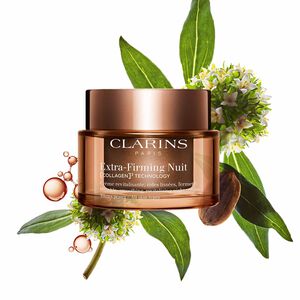


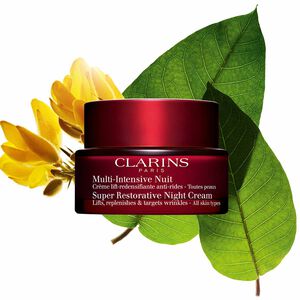

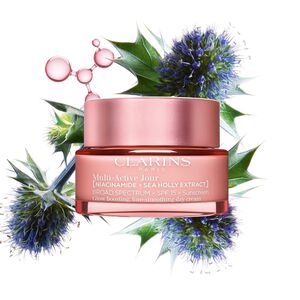
Anti Wrinkle Lotions
Anti-wrinkle lotions are skincare products designed to moisturise the skin and help soften the appearance of fine lines and wrinkles. Their appeal lies in the balance between targeted care and a fluid, comfortable texture: a lotion can spread easily across the face without the substantial feel of a thick cream. Hydration is central to this category. When skin lacks moisture, fine creases can appear more pronounced, particularly where the cheeks feel tight or the forehead looks less smooth. A well-suited lotion helps the skin feel supple and gives its surface a softer, more plumped appearance. Some formulas focus chiefly on moisture and comfort, while others combine hydrating ingredients with ingredients selected to address visible wrinkles, uneven texture or a loss of firmness. These differences matter more than texture alone, since a lightweight lotion can still provide considerable nourishment. For skin that feels dry and slightly rough to the touch, a milky lotion with emollients may offer a more cushioned finish. For combination or oily skin, a more fluid texture can provide moisture without an overly rich feel across the nose and forehead. Personal preference also plays a part: some people enjoy a velvety finish, while others prefer skin to feel almost bare after application. Anti-wrinkle face lotions are intended for facial skincare, and their suitability for the neck, décolletage or eye area depends on the individual product directions. A facial lotion should not automatically be treated as an eye treatment, as that delicate area may require a formula designed specifically for it. The most useful choice is therefore one that brings together the desired skin benefits, an agreeable texture and a suitable application area. Rather than promising to remove every line, this category offers care for skin that would benefit from moisture, a smoother-looking surface and a more comfortable feel. Expression lines and deeper wrinkles will not respond in the same way as fine creases associated with dryness, so realistic expectations are an important part of choosing well.
The ingredient list helps distinguish one type of anti-wrinkle lotion from another, although the finished formula is more informative than any single ingredient viewed in isolation. Hyaluronic acid is a humectant, meaning it attracts and holds water; in a lotion, it helps hydrate the skin and can make fine lines associated with dryness look less noticeable. Glycerin performs a similar moisture-attracting role and is often paired with emollients that soften the skin’s surface. Ceramides are lipids found in the skin barrier, and skincare containing them can help support that barrier and limit moisture loss. These ingredients are especially relevant where tightness and a rough feel accompany visible lines. Retinol, a form of vitamin A, is used in some anti-wrinkle formulas to help improve the appearance of fine lines and skin texture. It can also cause dryness or irritation, so suitability and the product’s application directions deserve attention, particularly for sensitive skin. Retinoids are not suitable during pregnancy; anyone who is pregnant, planning a pregnancy or breastfeeding should seek professional advice about suitable skincare ingredients. Peptides are short chains of amino acids used in certain formulas to support a firmer-looking, smoother appearance, with benefits depending on the peptide and the overall formulation. Vitamin C is an antioxidant used to promote radiance and a more even-looking complexion, and it also has a role in supporting collagen production. Not every lotion contains these ingredients, and a longer list of actives does not automatically make a product more suitable. Skin prone to discomfort may be better matched with a simpler moisturising formula than with several targeted ingredients combined. Fragrance preference is another consideration: a scented lotion can add a sensory element, while fragrance-free options may appeal to those who prefer to avoid it. The distinction between hydrating, nourishing and targeted wrinkle care makes comparison more meaningful, helping connect a formula’s purpose with the skin’s actual needs rather than relying on the word ‘lotion’ alone.
An anti-wrinkle lotion also needs to sit comfortably within the rest of a skincare routine. A person using a hydrating serum may prefer a lotion that adds softness and helps retain moisture, whereas someone looking for a less elaborate routine may value a moisturiser that combines hydration with a targeted ingredient. Texture compatibility matters: a lotion that spreads evenly and leaves skin feeling comfortable is easier to use as directed than one that feels sticky, heavy or insufficiently nourishing. On cheeks that feel papery despite an oily forehead, the aim is balanced comfort rather than an intensely matte finish. For skin that feels dry across the whole face, a richer lotion may provide a more satisfying layer of moisture. Sensitive or reactive skin calls for particular attention to suitability information, and testing a small area according to the product directions can help assess tolerance. Combining several products containing retinol or exfoliating acids can increase irritation, so more is not necessarily better. Protection from UV exposure is another relevant part of wrinkle-focused skincare: a broad-spectrum sunscreen with SPF 30 or higher helps protect against UV damage, and an anti-wrinkle lotion without a stated SPF does not provide that protection. Application quantity, storage requirements and suitability for particular areas should follow the packaging directions. Keeping the container securely closed and avoiding direct heat helps preserve the formula as intended, while dispensing with dry hands and avoiding contact with the opening supports good product hygiene. Packaging can influence ease of use too, with pumps offering controlled dispensing and tubes allowing a small amount to be applied precisely. For a broader view of textures and skincare benefits, Advanced Skincare Lotions offers a related category to explore. Whether the priority is a soft, supple feel, visible smoothness or a lightweight layer of nourishment, anti-wrinkle lotions are most useful when their formulation and finish match the skin they are intended to care for.

