
Anti Ageing Help
As we age, our bodies go through a natural process of change. However, there are ways to slow down the signs of ageing and maintain a youthful appearance. Here are some tips for anti-ageing help:




Anti Ageing Help
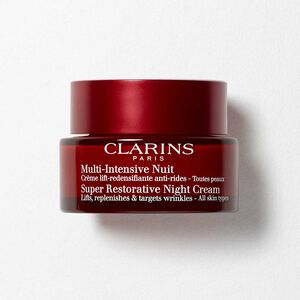
Anti-ageing help begins with understanding what your skin needs from its daily routine. Fine lines, a less even-looking complexion, dryness and a feeling of reduced firmness can all become more noticeable when skin lacks moisture or is exposed to sunlight without adequate protection. A well-chosen collection of skincare products can help support a smoother, fresher-looking appearance without making your routine feel complicated. Start with a gentle facial cleanser to lift makeup, excess oil and daily impurities while leaving skin comfortable rather than tight. A hydrating toner can follow, helping skin feel refreshed and ready for the next steps. Vitamin C serums are often chosen for their brightening properties and their ability to support a more radiant-looking complexion, while formulas containing peptides can help skin feel supple and cushioned. Hyaluronic acid is useful when dehydration makes fine lines appear more pronounced, as it helps attract moisture to the skin’s surface. For comfort and nourishment, look for a moisturiser suited to your skin type: richer textures can be reassuring for dry or mature-feeling skin, while lighter lotions or gel-creams may appeal to combination or oily complexions. Ceramides, squalane and glycerine are popular ingredients for helping skin feel soft and moisturised, particularly when cooler weather leaves the cheeks feeling dry. To complete a daytime routine, broad-spectrum facial sunscreen with SPF 30 or higher is an important choice, as regular UV exposure is closely associated with visible signs of premature ageing, including fine lines and uneven-looking tone. Apply it generously to the face, neck and any exposed décolletage, and reapply as directed when spending extended periods outdoors. For a considered selection of moisturising treatments, explore Anti Ageing Face Cream options, paying attention to texture, finish and the concerns you would like your routine to address. Skincare works most comfortably when introduced with care, especially if you are trying a concentrated ingredient such as retinol or another retinoid. Begin with a low-strength option and use it on alternate evenings or a few times a week, applying a small amount to clean, fully dry skin before moisturising. Gradual use can help skin become accustomed to the ingredient, while a soothing moisturiser can support comfort. Retinoids can make skin more sensitive to sunlight, so consistent SPF remains essential. Avoid applying retinol directly after exfoliating acids or combining several strong active ingredients until you know how your skin responds. Anyone who is pregnant, breastfeeding, planning a pregnancy or managing a skin condition should seek advice from a qualified healthcare professional before using retinoids.
Anti-ageing skincare can be adapted for different skin types and personal preferences. Dry skin often benefits from creamy cleansers, replenishing serums and nourishing moisturisers that leave a soft, comfortable finish. Combination skin may prefer targeted layering: a lightweight hydrating serum across the face with a slightly richer cream applied to areas that feel tight. Oily skin can still become dehydrated, so choose non-heavy textures rather than skipping moisture altogether. Sensitive skin is often more comfortable with fragrance-free or minimal-ingredient formulas, gentle cleansing and a gradual approach to active ingredients. If your complexion is reactive, introduce only one new product at a time and allow enough use to assess how it feels before adding another. Those concerned with fine lines may look towards retinol, peptides and hydrating ingredients; those noticing dullness may favour vitamin C and gentle exfoliation; and those experiencing dryness may prioritise ceramides, squalane, glycerine and nourishing face creams. A simple routine used consistently is generally easier to maintain than a shelf crowded with products that compete for attention. Apply skincare from the lightest texture to the richest, allowing each layer to settle comfortably, and keep the eye area in mind by using products specifically designed for its delicate skin rather than bringing strong treatments too close to the lash line. These products can also make a thoughtful gift for someone who enjoys a calming self-care ritual, particularly when selected around their preferred textures, fragrance tastes and familiar skincare habits. A cleanser, hydrating serum and moisturiser can create a useful gift set for someone building a routine, while a facial sunscreen or nourishing cream may suit a friend who spends time outdoors or finds their skin feels drier during cooler months. Avoid choosing highly active treatments for another person unless you know their skin well; a gentle moisturiser, softening cleanser or hydrating mask is often a more comfortable present. Store formulas as directed, use clean hands, and follow the instructions supplied with each product. If persistent redness, stinging, swelling or discomfort occurs, stop using the product and seek professional advice. With thoughtful selection, daily sun protection, suitable hydration and carefully introduced targeted ingredients, anti-ageing help can become a reassuring part of a personal beauty routine, supporting skin that looks smooth, nourished and radiant.
Anti-ageing skincare can be adapted for different skin types and personal preferences. Dry skin often benefits from creamy cleansers, replenishing serums and nourishing moisturisers that leave a soft, comfortable finish. Combination skin may prefer targeted layering: a lightweight hydrating serum across the face with a slightly richer cream applied to areas that feel tight. Oily skin can still become dehydrated, so choose non-heavy textures rather than skipping moisture altogether. Sensitive skin is often more comfortable with fragrance-free or minimal-ingredient formulas, gentle cleansing and a gradual approach to active ingredients. If your complexion is reactive, introduce only one new product at a time and allow enough use to assess how it feels before adding another. Those concerned with fine lines may look towards retinol, peptides and hydrating ingredients; those noticing dullness may favour vitamin C and gentle exfoliation; and those experiencing dryness may prioritise ceramides, squalane, glycerine and nourishing face creams. A simple routine used consistently is generally easier to maintain than a shelf crowded with products that compete for attention. Apply skincare from the lightest texture to the richest, allowing each layer to settle comfortably, and keep the eye area in mind by using products specifically designed for its delicate skin rather than bringing strong treatments too close to the lash line. These products can also make a thoughtful gift for someone who enjoys a calming self-care ritual, particularly when selected around their preferred textures, fragrance tastes and familiar skincare habits. A cleanser, hydrating serum and moisturiser can create a useful gift set for someone building a routine, while a facial sunscreen or nourishing cream may suit a friend who spends time outdoors or finds their skin feels drier during cooler months. Avoid choosing highly active treatments for another person unless you know their skin well; a gentle moisturiser, softening cleanser or hydrating mask is often a more comfortable present. Store formulas as directed, use clean hands, and follow the instructions supplied with each product. If persistent redness, stinging, swelling or discomfort occurs, stop using the product and seek professional advice. With thoughtful selection, daily sun protection, suitable hydration and carefully introduced targeted ingredients, anti-ageing help can become a reassuring part of a personal beauty routine, supporting skin that looks smooth, nourished and radiant.

