
Winter Skincare For Combination Skin
Navigating winter with combination skin can be a balancing act, as fluctuating temperatures and indoor heating may leave some areas feeling dry while others appear oily. The right skincare routine helps maintain harmony, delivering hydration where needed without overloading the complexion. Explore a selection tailored to support combination skin throughout the colder months, designed to help your skin feel comfortable, refreshed, and beautifully cared for.

![Hydra-Essentiel [HA²] Bi-Phase Serum](https://www.clarins.co.uk/dw/image/v2/AAFS_PRD/on/demandware.static/-/Sites-clarins-master-products/en_GB/dw2d7f9100/original/80092151_original_original_1.jpg?sw=300&sh=300 "Hydra-Essentiel [HA²] Bi-Phase Serum")
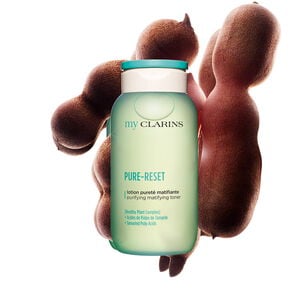


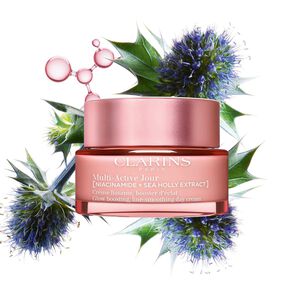
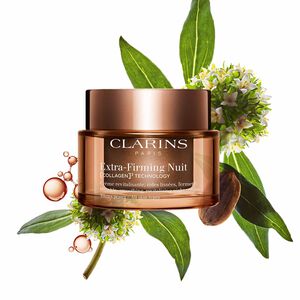

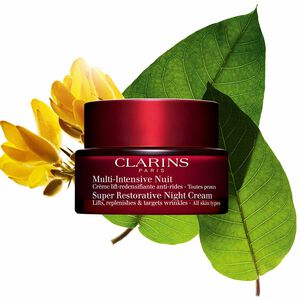

Winter Skincare for Combination Skin
Combination skin can feel particularly unsettled during the cooler months, with cheeks that become tight or flaky while the forehead, nose and chin continue to appear shiny. This contrast does not mean the complexion needs two completely separate routines; it usually benefits from a measured approach that supports comfort without leaving the oilier areas feeling coated. When choosing winter skincare for combination skin, look for gentle cleansing, lightweight hydration and flexible moisturising textures that can be applied according to the needs of each area. A mild cream or gel cleanser can lift daily build-up, makeup and excess sebum without the dry, squeaky sensation associated with overly strong washes. Use lukewarm water rather than very hot water, and pat the face dry with a soft towel instead of rubbing. Hydrating ingredients such as hyaluronic acid, glycerin and soothing botanical extracts can help replenish the feeling of moisture after cleansing, while ceramides and other skin-supporting ingredients are useful when the cheeks feel rough or easily irritated. A hydrating serum applied to slightly damp skin can provide a comfortable layer beneath moisturiser, without requiring a rich texture across the whole face. For the T-zone, a lotion or gel-cream may feel more suitable, while drier cheeks can receive a second layer or a cream with a more comforting finish. This targeted method is simple to adapt: apply less where the complexion becomes shiny and more where it feels tight, taking care around the sides of the nose and along the jawline, where dryness can often be more noticeable.
A well-chosen routine for combination skin should feel balanced rather than complicated. In the morning, cleanse gently or rinse according to how the skin feels, follow with a hydrating layer and finish with a facial moisturiser that leaves the complexion supple without heaviness. Broad-spectrum SPF 30 or higher remains a useful part of daily skincare during cooler weather, as daylight can still affect exposed skin even when skies look pale. Choose a finish that sits comfortably beneath makeup if you wear it, and allow each layer to settle before applying complexion products. In the evening, remove makeup thoroughly, cleanse without scrubbing and replenish moisture with a serum, lotion or cream suited to the areas that need it most. Exfoliation can help lift dull surface cells, but combination skin can still become sensitive when it is treated too often. A mild exfoliating product used occasionally is generally more comfortable than frequent, abrasive polishing, particularly when the cheeks are already feeling dry. Avoid layering several potentially intense products at once, and introduce unfamiliar ingredients gradually so you can notice how your skin responds. A soothing face mask can be applied selectively, with a nourishing option on the cheeks and a lighter hydrating formula across the T-zone, rather than using one heavy product everywhere. Small details also make a difference: keep cleansing water comfortably warm, choose non-abrasive face cloths, and pay attention to the finish left behind. Skin should feel clean, calm and flexible after a routine, not tight or stripped. For a wider seasonal edit, explore Winter Skincare and Makeup to discover complementary options for a polished, comfortable complexion.
Winter skincare for combination skin can make a thoughtful gift for someone who enjoys a considered beauty ritual, especially when the selection includes versatile textures rather than products designed for one narrow concern. A hydrating serum, gentle cleanser or adaptable moisturiser can fit naturally into an existing routine and is easy to pair with other essentials. For a gift, look for elegant, practical choices that suit a range of preferences: a cleanser with a soft after-feel, a lightweight moisturiser for everyday use, or a richer cream that can be pressed into dry areas when extra comfort is needed. A facial mist can be useful for refreshing the complexion throughout the day, while a nourishing lip treatment makes a useful companion when cooler air leaves lips feeling dry. For personal use, consider what your skin is telling you after cleansing and later in the day. If cheeks feel tight soon after washing, prioritise a gentle cleanser and a more cushioning moisturiser in those areas. If the T-zone looks shiny but still feels uncomfortable, choose hydration with a light finish rather than skipping moisture altogether; dehydration and surface oil can appear together. If makeup settles around flaky patches, smooth preparation is often more helpful than adding extra foundation. Apply moisturiser in thin layers, allow it to absorb, then use makeup sparingly where the complexion already looks even. A consistent routine, thoughtfully adjusted between the cheeks and T-zone, helps combination skin look fresh, feel comfortable and retain a soft, healthy-looking finish through the cooler season.
A well-chosen routine for combination skin should feel balanced rather than complicated. In the morning, cleanse gently or rinse according to how the skin feels, follow with a hydrating layer and finish with a facial moisturiser that leaves the complexion supple without heaviness. Broad-spectrum SPF 30 or higher remains a useful part of daily skincare during cooler weather, as daylight can still affect exposed skin even when skies look pale. Choose a finish that sits comfortably beneath makeup if you wear it, and allow each layer to settle before applying complexion products. In the evening, remove makeup thoroughly, cleanse without scrubbing and replenish moisture with a serum, lotion or cream suited to the areas that need it most. Exfoliation can help lift dull surface cells, but combination skin can still become sensitive when it is treated too often. A mild exfoliating product used occasionally is generally more comfortable than frequent, abrasive polishing, particularly when the cheeks are already feeling dry. Avoid layering several potentially intense products at once, and introduce unfamiliar ingredients gradually so you can notice how your skin responds. A soothing face mask can be applied selectively, with a nourishing option on the cheeks and a lighter hydrating formula across the T-zone, rather than using one heavy product everywhere. Small details also make a difference: keep cleansing water comfortably warm, choose non-abrasive face cloths, and pay attention to the finish left behind. Skin should feel clean, calm and flexible after a routine, not tight or stripped. For a wider seasonal edit, explore Winter Skincare and Makeup to discover complementary options for a polished, comfortable complexion.
Winter skincare for combination skin can make a thoughtful gift for someone who enjoys a considered beauty ritual, especially when the selection includes versatile textures rather than products designed for one narrow concern. A hydrating serum, gentle cleanser or adaptable moisturiser can fit naturally into an existing routine and is easy to pair with other essentials. For a gift, look for elegant, practical choices that suit a range of preferences: a cleanser with a soft after-feel, a lightweight moisturiser for everyday use, or a richer cream that can be pressed into dry areas when extra comfort is needed. A facial mist can be useful for refreshing the complexion throughout the day, while a nourishing lip treatment makes a useful companion when cooler air leaves lips feeling dry. For personal use, consider what your skin is telling you after cleansing and later in the day. If cheeks feel tight soon after washing, prioritise a gentle cleanser and a more cushioning moisturiser in those areas. If the T-zone looks shiny but still feels uncomfortable, choose hydration with a light finish rather than skipping moisture altogether; dehydration and surface oil can appear together. If makeup settles around flaky patches, smooth preparation is often more helpful than adding extra foundation. Apply moisturiser in thin layers, allow it to absorb, then use makeup sparingly where the complexion already looks even. A consistent routine, thoughtfully adjusted between the cheeks and T-zone, helps combination skin look fresh, feel comfortable and retain a soft, healthy-looking finish through the cooler season.

