
Trendy Beauty Products
The beauty industry is constantly evolving, with new products hitting the market every day. From skincare to makeup, there are always trendy products that capture the attention of consumers. These products often boast innovative ingredients, unique packaging, and promises of transformative results.


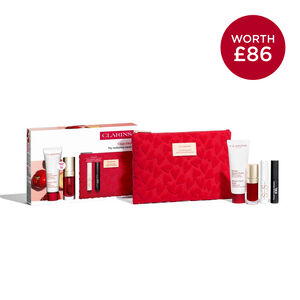


Trendy Beauty Products
Trendy beauty products bring together expressive colour, appealing textures and finishes that make a beauty look feel personal. Their appeal often comes from a visible detail: the gleam of a lip oil, the softly blurred edge of a cream blush or the sheen of a liquid highlighter across the cheekbones. Social media has given these details a close-up audience, but a photogenic finish is only part of what makes a formula enjoyable to use. Comfortable wear, flattering shades and straightforward application matter just as much. Glossy lip textures suit someone who likes translucent colour and a cushioned feel, while satin lipstick offers a more defined result without an intensely matte appearance. Cream and liquid cheek colours can create anything from a delicate flush to a more sculpted effect, depending on their pigment level and how readily they blend. A muted rose across the cheeks and a sheer pink lip can feel understated; a brighter coral blush paired with a clear gloss creates a more playful combination. Complexion make-up has a similarly broad range of effects, from sheer tints that allow freckles to remain visible to foundations with more coverage and a velvety finish. Shade suitability involves more than matching depth alone: warm, cool and neutral undertones influence how seamlessly colour sits against the face and neck. Texture also changes the result. A fluid base may spread easily with fingertips, whereas a thicker cream can offer more precision where extra coverage is wanted. For eyes, a wash of shimmer, a softly smudged pencil or a defined lash line provides a recognisable look without requiring an elaborate palette. The most appealing trendy beauty products leave room for that individuality, whether the preference is barely visible make-up, polished definition or a bold accent that draws attention to one feature. The distinction is less about following a complete look than finding a colour, texture or finish that feels comfortable to wear.
Skincare brings another dimension to the theme, with tactile formulas and a hydrated-looking complexion contributing to its appeal. Facial serums, moisturisers, essences and masks serve different purposes, even when their packaging or textures appear similar. A serum generally offers a fluid format that spreads easily, while a moisturiser provides a cream, lotion or gel texture suited to different preferences and skin needs. Hyaluronic acid and glycerin are widely used humectants, helping formulas attract moisture, while emollient ingredients contribute softness and a smoother feel. The finished formula matters more than a single highlighted ingredient: a serum can feel silky or slightly tacky, and a cream can have a light slip or a richer, more enveloping texture. Someone whose cheeks feel tight may prefer the comfort of a cream, while someone who dislikes a noticeable film might favour a lightweight gel. Combination skin can call for a balance between those preferences rather than the same amount of product across every area of the face. A glossy, glass-like complexion is a popular visual reference, but hydration does not have to mean an all-over shine. A softer satin appearance can be equally appealing, especially beneath make-up. Compatibility between layers is useful here. A moisturiser that sits comfortably beneath a complexion tint can help the base spread evenly, whereas several heavily textured layers may gather or roll under fingertips. Facial masks offer a choice between creamy, gel and sheet formats, with fit and feel influencing the experience as much as the finish. Sheet masks should sit comfortably around the eyes and mouth; wash-off textures should be easy to distribute without dragging the skin. For skin that reacts readily, fragrance preferences, ingredient lists and suitability statements deserve attention, and a patch test can help assess tolerance. Lip balms and conditioning lip treatments sit comfortably alongside these categories, offering a softer-feeling base for colour or a subtle sheen worn alone. The attraction is a combination of pleasing application and a finish that suits the person using it.
Applicators and packaging also shape how beauty products fit into a dressing table, handbag or make-up bag. A compact with a secure closure is convenient for carrying, while a pump can make dispensing a fluid texture more controlled. A narrow applicator offers precision around the lip line; a broader, cushioned shape distributes gloss more generously. Brushes with densely arranged fibres tend to give a more concentrated application, whereas softer, loosely arranged fibres can diffuse powder colour into a lighter veil. Sponges offer another finish, particularly for someone who likes to press and blend complexion make-up rather than sweep it across the skin. Gentle washing with a suitable brush or sponge wash, thorough rinsing and complete drying help maintain the condition of these accessories. Cosmetics benefit from secure lids, suitable storage and applicators kept free from residue. Wear preferences deserve equal consideration: a glossy lip finish has a different feel from a transfer-resistant lip colour, just as a luminous base behaves differently from a matte foundation. Product descriptions can clarify whether a texture is sheer, buildable, full coverage or designed to resist transfer, helping connect an appealing look with practical expectations. For gifting, familiar shades and textures are usually more personal choices than a trend alone. A recipient who enjoys a subtle make-up look may appreciate sheer lip colour or a softly reflective cheek finish, while someone who enjoys experimenting may favour richer pigment or a statement eye texture. Complexion shades and targeted skincare need a closer understanding of the recipient’s preferences, so suitability matters alongside presentation. The wider selection of Beauty Products offers further scope to consider these different textures, categories and finishes. Trendy beauty products are most rewarding when their visual appeal is matched by comfortable application, useful packaging and a result that feels right for the wearer, whether that means a glistening lip, softly flushed cheeks or skin that looks fresh and feels supple.
