
Skincare For Menopausal Skin
Menopause is a natural phase in a woman's life that comes with hormonal changes that can impact the skin. During menopause, estrogen levels decrease, leading to a decline in collagen production and skin elasticity. As a result, menopausal skin may become drier, thinner, and more prone to wrinkles and sagging.
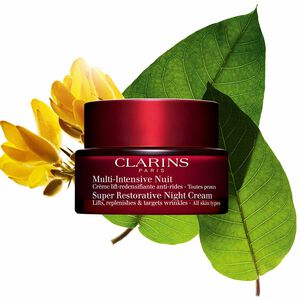


Skincare For Menopausal Skin
Menopausal skin can feel unfamiliar, even when your skincare habits have stayed the same for years. Changes in oestrogen levels may leave the complexion drier, more delicate and less resilient, with a greater tendency towards tightness, redness, flushing and sensitivity. Natural oil production can decrease, so skin may no longer hold on to moisture as comfortably as it once did. Collagen loss can also affect the appearance of firmness and suppleness, while everyday exposure to the elements may make dehydration more noticeable. A skincare collection for menopausal skin is designed to support these changing needs with comforting textures, replenishing hydration and carefully chosen formulas that respect the skin barrier. Look for a gentle, soap-free or creamy facial cleanser that removes make-up, excess oil and impurities without leaving the skin feeling stripped. Lukewarm water is preferable to very hot water, which can heighten the sensation of dryness and discomfort. After cleansing, a hydrating serum can help replenish the feel of moisture, particularly when it contains ingredients such as hyaluronic acid, glycerine or panthenol. These humectants attract and hold water within the surface layers of the skin, helping the complexion feel softer and more cushioned. A moisturiser with ceramides, shea butter, squalane or nourishing plant oils can help reinforce the skin barrier and reduce the uncomfortable feeling of tightness. Richer cream textures may be especially appealing when the complexion feels rough or papery, while lighter lotions can suit anyone who prefers a breathable finish. Keep application gentle: smooth products across the face and neck with light strokes rather than rubbing vigorously, and allow each layer to settle before applying the next. A broad-spectrum SPF 30 or higher is also an important part of facial care, helping protect collagen and maintain a more even-looking complexion whenever the skin is exposed to daylight.
When choosing skincare for menopausal skin, consider how the face feels as well as how it looks. A complexion that flushes easily may respond more comfortably to fragrance-free or low-fragrance formulas with soothing ingredients such as aloe vera, allantoin, oat extracts or centella asiatica. Skin that feels persistently dry may benefit from a richer moisturiser, a nourishing facial oil or a replenishing mask that leaves a soft veil over the surface. If firmness is a concern, peptides can be a useful addition to a consistent routine, helping skin feel supported and conditioned. Retinol and other vitamin A derivatives are often selected for their relationship with the look of fine lines and texture, but they can be challenging for a sensitive or easily flushed complexion. Introduce these formulas gradually, follow the product directions carefully and pair them with generous moisturisation. Avoid layering several potentially stimulating ingredients together until you know how your skin responds. If there is a history of eczema, rosacea, persistent irritation or sudden breakouts, a pharmacist, GP or qualified skincare professional can help identify suitable ingredients and rule out conditions that may need specific care. Patch testing is a sensible step when adding an unfamiliar formula, particularly if the skin barrier feels fragile. The most comfortable routine is usually the one that is easy to maintain: a mild cleanser, a hydrating layer, a moisturiser suited to your preferred finish and reliable sun protection can provide a reassuring foundation, with targeted formulas added according to individual concerns.
These products can be chosen for anyone experiencing the complexion changes associated with menopause, whether dryness is the main concern or the skin has become more reactive, lacklustre or prone to visible flushing. They can also make a thoughtful gift for a mum, sister, partner or friend who is adjusting to a new sense of balance in her skincare routine. A carefully selected cleanser and moisturiser set feels personal without requiring you to guess an exact shade, while a hydrating serum, nourishing mask or facial mist can add a comforting touch to a self-care collection. If buying for someone else, favour gentle, versatile textures and avoid choosing highly active formulas unless you know what she already uses. Skincare can be enjoyed as a small ritual of reassurance: clean hands, a soft flannel, a comforting cream and a few unhurried strokes across the cheeks can help the complexion feel cared for when it is particularly dry or sensitive. Men experiencing similar concerns may also appreciate a considered facial routine, and the collection at Men's Skincare For Mature Skin offers a useful place to explore further options. Whichever products you choose, pay attention to the way the skin responds and adapt textures as needed. Comfort, hydration and barrier support should remain central, while targeted ingredients can be introduced with patience and care.
When choosing skincare for menopausal skin, consider how the face feels as well as how it looks. A complexion that flushes easily may respond more comfortably to fragrance-free or low-fragrance formulas with soothing ingredients such as aloe vera, allantoin, oat extracts or centella asiatica. Skin that feels persistently dry may benefit from a richer moisturiser, a nourishing facial oil or a replenishing mask that leaves a soft veil over the surface. If firmness is a concern, peptides can be a useful addition to a consistent routine, helping skin feel supported and conditioned. Retinol and other vitamin A derivatives are often selected for their relationship with the look of fine lines and texture, but they can be challenging for a sensitive or easily flushed complexion. Introduce these formulas gradually, follow the product directions carefully and pair them with generous moisturisation. Avoid layering several potentially stimulating ingredients together until you know how your skin responds. If there is a history of eczema, rosacea, persistent irritation or sudden breakouts, a pharmacist, GP or qualified skincare professional can help identify suitable ingredients and rule out conditions that may need specific care. Patch testing is a sensible step when adding an unfamiliar formula, particularly if the skin barrier feels fragile. The most comfortable routine is usually the one that is easy to maintain: a mild cleanser, a hydrating layer, a moisturiser suited to your preferred finish and reliable sun protection can provide a reassuring foundation, with targeted formulas added according to individual concerns.
These products can be chosen for anyone experiencing the complexion changes associated with menopause, whether dryness is the main concern or the skin has become more reactive, lacklustre or prone to visible flushing. They can also make a thoughtful gift for a mum, sister, partner or friend who is adjusting to a new sense of balance in her skincare routine. A carefully selected cleanser and moisturiser set feels personal without requiring you to guess an exact shade, while a hydrating serum, nourishing mask or facial mist can add a comforting touch to a self-care collection. If buying for someone else, favour gentle, versatile textures and avoid choosing highly active formulas unless you know what she already uses. Skincare can be enjoyed as a small ritual of reassurance: clean hands, a soft flannel, a comforting cream and a few unhurried strokes across the cheeks can help the complexion feel cared for when it is particularly dry or sensitive. Men experiencing similar concerns may also appreciate a considered facial routine, and the collection at Men's Skincare For Mature Skin offers a useful place to explore further options. Whichever products you choose, pay attention to the way the skin responds and adapt textures as needed. Comfort, hydration and barrier support should remain central, while targeted ingredients can be introduced with patience and care.

