
Skin Tightening Products
Skin tightening products have become increasingly popular in the beauty industry as individuals seek ways to improve the appearance and elasticity of their skin. These products are designed to target areas of the body where skin may be loose or sagging, such as the face, neck, arms, and abdomen.



Skin Tightening Products
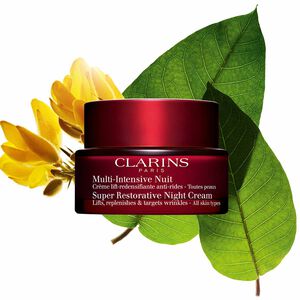
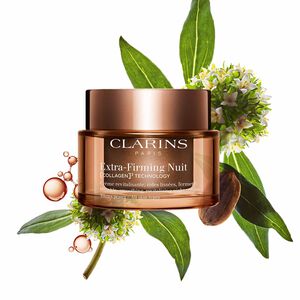
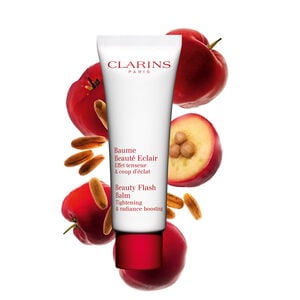
Skin tightening products are topical skincare formulas designed to help skin look firmer, smoother and more supple. They include serums, facial moisturisers, neck creams and body lotions, with textures and ingredient blends suited to different areas. Their cosmetic role is to improve the appearance and feel of the skin’s surface, not to physically lift underlying tissue or replicate a clinical procedure. A plumper-looking finish can make fine lines appear softer, while good moisturisation helps skin feel comfortable rather than taut. That distinction matters: firmness should not be confused with a dry, pulling sensation. Ingredients provide useful clues to what a formula offers. Humectants such as hyaluronic acid and glycerin attract water, helping to improve hydration and give the surface a fuller, smoother appearance. Emollients, including plant oils and shea butter, help soften rough texture and leave skin feeling more supple. Ceramides help support the skin’s moisture barrier, making them relevant when dryness accompanies concerns about firmness. Peptides also feature in firming skincare, although their effects depend on the particular peptide, its concentration and the complete formula. Retinoids appear in some products aimed at texture and fine lines, but can cause irritation and are unsuitable for use in pregnancy. A longer ingredient list or a higher concentration does not automatically mean a better match. The feel of the finished formula, its suitability for the intended area and its supported claims are more useful than a single headline ingredient. For someone whose cheeks feel rough or whose neck looks creased, a moisturising formula may offer a more relevant benefit than a product chosen solely for an assertive lifting claim. Skin tightening skincare is therefore as much about suppleness and surface comfort as a visibly firmer finish. Expectations should remain cosmetic: topical care can improve hydration and the appearance of texture, but cannot remove excess skin or substantially reposition facial or body contours.
Texture is an important part of finding firming skincare that feels right on the skin. A lightweight serum can suit someone who prefers barely noticeable coverage, while a cream offers a more cushioned feel. Serums are not automatically stronger than moisturisers; the format describes the texture rather than guaranteeing a particular level of performance. For dry skin, a richer cream with humectants and emollients can help address roughness alongside a less supple appearance. Oily skin may feel more comfortable with a fluid or gel-cream that provides hydration without a heavy coating. Combination skin can benefit from textures that sit comfortably across both the cheeks and the centre of the face, without leaving one area feeling overloaded. Sensitive skin calls for particular attention to fragrance, active ingredients and the formula’s stated suitability. A fragrance-free option may be preferable for someone who knows that scented skincare causes discomfort, although fragrance-free does not mean that irritation is impossible. The intended area matters just as much as skin type. Facial serums and moisturisers are developed for facial use, while neck creams offer textures designed to spread comfortably across the neck and décolletage. Products intended for the eye area require their own suitability checks; a facial firming cream should not be assumed appropriate for the eyelids. Body lotions, creams and balms cater to larger areas such as the upper arms, abdomen and thighs, where spreadability can be especially important. A silky lotion allows an even application across broad areas, whereas a richer balm offers a more enveloping finish on dry patches. Neither texture guarantees greater firming benefits, so personal comfort and the formula’s stated purpose remain useful points of comparison. For related skincare centred on suppleness and a more toned appearance, explore Skin Firming Products. Across these formats, a suitable finish should leave skin feeling supported and comfortable, not sticky, stiff or stretched.
Intended use helps distinguish a pleasing skincare choice from one that feels awkward to apply. A face cream that spreads with a light touch may suit someone who dislikes extensive massage, while a body lotion with good slip can make it easier to cover the backs of the arms or the thighs without dragging the skin. Gentle application is preferable to forceful rubbing: pressure is not a measure of a product’s firming ability. Quantity and application method should follow the directions supplied with the formula, particularly for concentrated treatments. Layering several active formulas does not necessarily improve the result and may make sensitivity more likely. Where a serum and moisturiser are designed to work together, their textures should sit comfortably on the skin without rolling into small flakes or leaving an unpleasant film. Broad-spectrum SPF is a complementary consideration for exposed areas, but a firming moisturiser should not be assumed to provide UV protection unless this is stated on the label. Packaging also affects the experience of using a product. Pumps can help dispense measured amounts, tubes make it easier to direct a cream onto the fingertips, and jars allow access to richer textures. Secure closures and adherence to storage instructions help keep the contents in the condition intended by the maker. Product suitability also matters when choosing skincare as a gift. Someone who enjoys a silky body lotion may appreciate a firming body formula with a similar feel, while a person with established facial skincare preferences may favour a familiar texture and fragrance profile. A gift can focus on comfort, softness and the pleasure of application rather than suggesting that someone’s appearance needs correcting. Whether chosen for the face, neck or body, skin tightening products are most appropriately understood as cosmetic care for a smoother, more supple-looking surface. The strongest match is a formula whose ingredients, texture and intended use align with the needs of the skin and the preferences of the person applying it.
