
Skin Smoothing Products
Skin smoothing products are a popular choice for those looking to improve the texture and appearance of their skin. These products often contain ingredients such as retinol, glycolic acid, or hyaluronic acid, which can help to exfoliate, hydrate, and rejuvenate the skin.


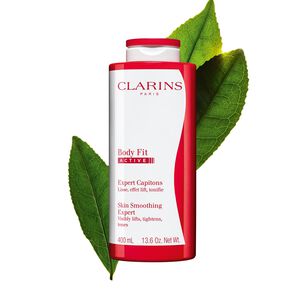


Skin Smoothing Products
Skin smoothing products help soften roughness, refine the look of uneven texture and leave skin feeling supple through a combination of hydration, exfoliation and support for the skin’s moisture barrier. A textured surface can reflect several different needs: dry cheeks may feel papery beneath the fingertips, while a shiny forehead can have small bumps despite feeling oily. Moisturising creams, facial serums, exfoliating lotions and rinse-off treatments approach these concerns in different ways, so a suitable choice depends on both the area being treated and how the skin feels. Hydrating ingredients such as glycerin and hyaluronic acid attract moisture, helping skin look plumper and feel more flexible. Ceramides help support the barrier that keeps moisture within the skin, making them useful in formulas intended for dryness and a feeling of tightness. Exfoliating ingredients address the build-up of dead surface cells that can leave skin looking dull or feeling uneven. Alpha hydroxy acids, including glycolic and lactic acid, work at the skin’s surface, while salicylic acid is often included in formulas for oily or blemish-prone skin. Niacinamide can complement these ingredients by supporting the moisture barrier and helping improve the appearance of uneven tone and texture. The ingredient list is only part of the picture, however: concentration, formulation and the balance of moisturising ingredients all influence how a product feels and performs. A cushiony cream may make dry skin feel smoother without an exfoliating acid, while a lightweight lotion may suit someone who dislikes a rich finish. Smoother-looking skin does not require a perfectly uniform surface; visible texture is an ordinary feature of skin. The aim is a comfortable, well-moisturised feel and a more even-looking finish, with formulas chosen to suit the complexion rather than an expectation that every small irregularity should disappear.
Texture and intended use are useful distinctions when browsing skin smoothing skincare. A fluid serum spreads easily and can sit beneath a moisturiser without adding much richness, whereas a cream provides a more cocooning feel for skin that lacks softness. Gel creams offer a lighter option for complexions that feel shiny or become uncomfortable beneath heavier textures. For combination skin, the contrast between a dry cheek and an oily nose can make a single rich formula feel uneven across the face; a lighter moisturiser with a little extra cream on dry areas may feel more comfortable. Sensitive skin calls for particular attention to fragrance, exfoliating strength and the number of active ingredients in a formula. Fragrance-free options and straightforward moisturising formulas may be preferable when skin is easily unsettled, although individual tolerance matters more than any single label. A tingling sensation is not proof that a smoothing treatment is working, and discomfort, persistent redness or flaking are reasons to stop using it and seek advice if needed. Exfoliating acids, facial scrubs and other active treatments are not interchangeable, nor does using several together necessarily create a smoother result. Directions on the packaging should determine where and how a formula is applied, whether it is rinsed away, and which combinations to avoid. Patch testing offers an additional precaution when choosing an unfamiliar formula. Broad-spectrum SPF is an important companion to exfoliating skincare, particularly formulas containing alpha hydroxy acids. The finish also deserves attention: some people prefer a soft, velvety feel, while others enjoy the dewy sheen of a richer moisturiser. A formula that spreads without dragging and leaves skin comfortable is often a more appealing choice than one selected purely for a high percentage of an active ingredient. Product strength alone does not indicate suitability, and a gentle approach can provide the softness being sought without leaving skin feeling stripped.
Body smoothing products address similar concerns across larger areas, with textures and application methods designed for the arms, legs, elbows, knees and feet. A lightweight body lotion is easy to spread over broad areas, while a richer body cream or balm can feel more suitable on rough elbows or dry shins. Formulas containing urea, lactic acid or other exfoliating ingredients may help soften coarse-feeling patches, with suitability depending on their concentration and the area of use. A textured upper arm may benefit from a different formula from a delicate neckline, and a foot treatment should not be assumed suitable for the face. Likewise, products intended for the body may be too rich or too strongly exfoliating for facial skin. Rinse-off body scrubs offer a tactile approach, but particle size, pressure and skin sensitivity all affect the experience; a gritty texture does not need vigorous rubbing to feel effective. Products should not be applied to broken or irritated skin unless their directions specifically allow it. Practical details can make the selection feel more personal, too. A pump dispenser offers convenient application for a fluid lotion, a tube allows a measured amount of cream to be dispensed, and a wide-necked jar suits thicker textures. Keeping closures secure, following storage directions and using dry hands or a suitable applicator helps protect the formula from unwanted contamination. For gifting, a comforting body moisturiser can be a thoughtful choice for someone who enjoys a soft, silky skin feel, while strongly exfoliating facial treatments are more personal and depend on the recipient’s preferences and tolerance. Fragrance is equally individual: an understated scent may appeal to one person, while another prefers an unscented formula. Across face and body care, the most useful distinctions remain the skin concern, the intended application area and the finish that feels pleasant to wear. For a separate selection focused on cosmetic finish, explore Skin Smoothing Make-up. Within skincare, a considered balance of moisture, suitable exfoliation and a comfortable texture helps bring the focus back to skin that feels soft, supple and cared for.
