
Skin Serum
Skin serum is a popular skincare product that is designed to target specific skin concerns and deliver potent ingredients to the skin. Typically, serums have a lighter consistency than creams and are formulated with high concentrations of active ingredients such as antioxidants, vitamins, and peptides.

![Hydra-Essentiel [HA²] Bi-Phase Serum](https://www.clarins.co.uk/dw/image/v2/AAFS_PRD/on/demandware.static/-/Sites-clarins-master-products/en_GB/dw2d7f9100/original/80092151_original_original_1.jpg?sw=300&sh=300 "Hydra-Essentiel [HA²] Bi-Phase Serum")

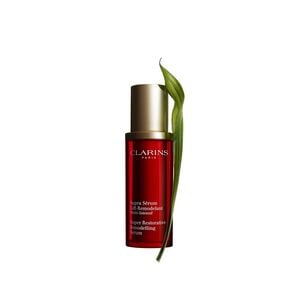


Skin Serum
Skin serums are lightweight facial treatments designed to deliver a concentrated blend of skincare ingredients in a fluid, easily layered texture. Their fine consistency allows them to sit comfortably beneath moisturiser, making them a versatile addition to a morning or evening routine. Unlike a cleanser, which is rinsed away, or a moisturiser, which helps soften and cushion the skin’s surface, a serum is selected with a particular skin concern in mind. Some are created to replenish moisture and leave the complexion feeling supple, while others help improve the look of dullness, uneven tone, visible lines or excess oil. When choosing a serum, consider how your skin feels as well as what you would like to address. Skin that feels tight after cleansing may appreciate humectants such as hyaluronic acid and glycerin, which attract water and help the complexion feel comfortably hydrated. A formula containing niacinamide may suit skin that appears oily or unbalanced, while zinc is often included in blends intended to support a fresh, clearer-looking appearance. Vitamin C is a popular choice for skin that looks lacklustre, helping it appear brighter and more radiant with regular use. For uneven pigmentation, ingredients such as alpha arbutin or tranexamic acid may help create a more even-looking complexion. Retinol and peptides are commonly chosen when the aim is to soften the appearance of fine lines and support skin that looks firmer and smoother. Every ingredient has its own character, so reading the product description and ingredient list can help you choose a texture and treatment focus that feels suited to your routine.
Applying a facial serum is simple, although a considered approach can make the experience more comfortable and effective. Begin with freshly cleansed skin, then apply a small amount to the face and neck, avoiding the immediate eye area unless the instructions specifically state otherwise. A few drops are generally enough; warming the serum between your fingertips before pressing it gently over the complexion can make application feel soothing, especially when skin feels dry after exposure to cool air. Follow with a moisturiser to help seal in comfort, and use a daytime sunscreen as the final step of your morning routine. During the cooler months, central heating, brisk air and frequent changes between indoor and outdoor temperatures can leave the face feeling less comfortable, so a hydrating serum beneath a richer moisturiser may be a welcome adjustment. If skin tends to shine or feel congested, choose a light, fast-absorbing texture and apply a modest amount rather than layering several concentrated treatments together. Those with sensitive skin may prefer a fragrance-free or calming formula and should introduce active ingredients gradually, applying them on alternate evenings before building frequency if the skin remains comfortable. Retinol, exfoliating acids and high-strength vitamin C can each have a place in a routine, but combining several powerful ingredients at once may feel overwhelming. Patch testing and following the directions supplied with the serum are sensible steps, particularly when trying a product with an ingredient that is unfamiliar to you. A consistent routine is usually easier to maintain than a crowded one, and the small ritual of smoothing serum over the face can become a quiet moment of care before the day begins or at the end of an evening. For a gentle focus on a soft, comfortable-looking complexion, explore Serums For Soft Skin.
Serums can suit a wide range of routines, from someone seeking extra hydration after cleansing to someone refining a carefully considered approach to uneven tone, visible lines or dull-looking skin. They can also make thoughtful gifts because they are personal without requiring an exact shade match, and a beautifully presented facial treatment can add a considered touch to a birthday, celebration or simple gesture of care. When choosing one for someone else, a broadly hydrating serum is often a practical option, especially if you are unsure of their skin type. A lightweight texture can be convenient for someone who prefers minimal layers, while a nourishing, moisture-focused treatment may appeal to anyone whose complexion feels tight or dry. If the recipient already follows an established routine, look for a serum that complements rather than duplicates the products they use, and avoid selecting highly active ingredients without knowing how their skin responds. For personal use, think about the finish you enjoy: a watery serum disappears quickly, a silky lotion-like texture can feel comforting beneath moisturiser, and a gel texture may suit those who prefer a cool, fresh sensation. Fragrance preferences, ingredient sensitivities and the amount of time someone is willing to spend on skincare are equally useful considerations. Serums work particularly well when applied with a light touch, allowing the formula to settle before the next layer. With regular use as directed, the complexion may feel smoother, softer and more comfortably hydrated, while targeted ingredients can help support a brighter, more even and refreshed appearance. Choosing one clear purpose, using an appropriate amount and giving the skin a little attention each day can turn a simple serum into a dependable part of a personalised beauty routine.
Applying a facial serum is simple, although a considered approach can make the experience more comfortable and effective. Begin with freshly cleansed skin, then apply a small amount to the face and neck, avoiding the immediate eye area unless the instructions specifically state otherwise. A few drops are generally enough; warming the serum between your fingertips before pressing it gently over the complexion can make application feel soothing, especially when skin feels dry after exposure to cool air. Follow with a moisturiser to help seal in comfort, and use a daytime sunscreen as the final step of your morning routine. During the cooler months, central heating, brisk air and frequent changes between indoor and outdoor temperatures can leave the face feeling less comfortable, so a hydrating serum beneath a richer moisturiser may be a welcome adjustment. If skin tends to shine or feel congested, choose a light, fast-absorbing texture and apply a modest amount rather than layering several concentrated treatments together. Those with sensitive skin may prefer a fragrance-free or calming formula and should introduce active ingredients gradually, applying them on alternate evenings before building frequency if the skin remains comfortable. Retinol, exfoliating acids and high-strength vitamin C can each have a place in a routine, but combining several powerful ingredients at once may feel overwhelming. Patch testing and following the directions supplied with the serum are sensible steps, particularly when trying a product with an ingredient that is unfamiliar to you. A consistent routine is usually easier to maintain than a crowded one, and the small ritual of smoothing serum over the face can become a quiet moment of care before the day begins or at the end of an evening. For a gentle focus on a soft, comfortable-looking complexion, explore Serums For Soft Skin.
Serums can suit a wide range of routines, from someone seeking extra hydration after cleansing to someone refining a carefully considered approach to uneven tone, visible lines or dull-looking skin. They can also make thoughtful gifts because they are personal without requiring an exact shade match, and a beautifully presented facial treatment can add a considered touch to a birthday, celebration or simple gesture of care. When choosing one for someone else, a broadly hydrating serum is often a practical option, especially if you are unsure of their skin type. A lightweight texture can be convenient for someone who prefers minimal layers, while a nourishing, moisture-focused treatment may appeal to anyone whose complexion feels tight or dry. If the recipient already follows an established routine, look for a serum that complements rather than duplicates the products they use, and avoid selecting highly active ingredients without knowing how their skin responds. For personal use, think about the finish you enjoy: a watery serum disappears quickly, a silky lotion-like texture can feel comforting beneath moisturiser, and a gel texture may suit those who prefer a cool, fresh sensation. Fragrance preferences, ingredient sensitivities and the amount of time someone is willing to spend on skincare are equally useful considerations. Serums work particularly well when applied with a light touch, allowing the formula to settle before the next layer. With regular use as directed, the complexion may feel smoother, softer and more comfortably hydrated, while targeted ingredients can help support a brighter, more even and refreshed appearance. Choosing one clear purpose, using an appropriate amount and giving the skin a little attention each day can turn a simple serum into a dependable part of a personalised beauty routine.

