
Skin Care Solutions
Maintaining healthy skin is essential for both appearance and overall well-being. With the plethora of skin care products available on the market, it can be overwhelming to choose the right solution for your specific needs. Here are some general tips and solutions to help you achieve healthy, glowing skin.

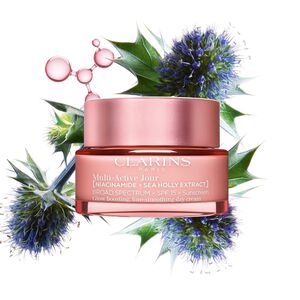


Skin Care Solutions
Skin care solutions are facial care products chosen to address concerns such as dryness, dehydration, excess oil, blemishes, sensitivity and uneven-looking texture. Face washes, facial toners, serums, moisturisers, masks and eye care each have a different role, from removing surface residue to helping skin feel softer and more comfortable. The most suitable combination depends on how skin feels as well as how it looks. Dry skin often feels tight or rough and benefits from richer textures that help replenish lipids, while dehydrated skin needs moisture and can feel tight even when the forehead and nose appear shiny. This distinction makes texture particularly useful when choosing facial care: a cushioning cream can suit cheeks that feel parched, whereas a fluid or gel-cream may be more comfortable for a complexion prone to excess shine. Combination skin can benefit from different textures across the face rather than a single rich layer everywhere. A light moisturiser may feel sufficient through the centre of the face, with a more comforting cream reserved for drier areas. For skin that feels easily unsettled, gentle formulas and a manageable selection of products can make facial care feel less complicated. Comfort matters as much as finish; skin should not have to feel stripped or stretched to feel refreshed. Foaming washes, silky milks and melting balms offer different application experiences, with the choice guided by skin type, personal preference and the product’s stated purpose. A facial toner can add a light layer of hydration, while a serum offers a more focused approach to a particular concern. Moisturisers help bring softness and suppleness to the surface, with finishes ranging from barely noticeable to richly cocooning. The wider Facial Skincare category offers context for these different product types, helping distinguish targeted care from the essentials that support a comfortable, well-hydrated complexion.
Ingredients and formulation help explain why two products with a similar texture can suit different needs. Humectants such as glycerine and hyaluronic acid attract water, making them useful ingredients in products intended for skin that feels thirsty or looks less plump. Emollients such as squalane help soften the surface, while formulas containing ceramides can support the skin’s moisture barrier. A richer moisturiser may combine several of these functions, so a short selection of well-matched products can be more practical than multiple overlapping layers. For oily or blemish-prone skin, lightweight hydration can provide comfort without the substantial feel of a dense cream. Salicylic acid is used in some formulas intended for blemishes and excess oil, although suitability depends on the complete formula and the directions supplied. Exfoliating products can help improve the appearance of rough texture, but a polished-looking complexion does not require an abrasive scrub or a strong tingling sensation. Skin that is prone to sensitivity may be more comfortable with fragrance-free options and formulas specifically described as suitable for sensitive skin; individual tolerance still matters. A patch test in line with the product instructions is a sensible precaution when trying an unfamiliar formula. For dullness or uneven-looking tone, hydrating and radiance-focused products can help the complexion look fresher without relying on a heavy finish. The delicate eye contour has its own texture preferences, with light gels appealing to those who dislike richness and softer creams offering a more cushioned feel. Products intended for this area should be used as directed rather than assuming that every facial serum belongs close to the eyes. Masks provide another texture-led option, from creamy formulas for skin that feels tight to lighter gels for a refreshing sensation. Their appeal lies in matching a specific need, not in adding a step for its own sake. Across these categories, ingredient lists are useful, but the overall formula, application amount and compatibility with the rest of a routine are equally important.
The feel of a product on the skin often determines whether it earns a place in a facial care routine. A serum that spreads easily, a moisturiser that leaves cheeks supple rather than sticky, or a face wash that rinses away without an uncomfortable tight feeling can make a meaningful difference to the experience. Texture preferences are personal: some people enjoy the reassuring slip of a facial oil, while others prefer the almost weightless finish of a lotion. Oils can add softness and help seal in moisture, but they do not necessarily replace the hydrating role of a well-formulated moisturiser. Layering also affects comfort. Several rich products can feel excessive on an oily forehead, while a single light fluid may not provide enough cushioning for dry cheeks. Products that sit comfortably together, without rolling into little flakes or leaving an unwanted film, make a more practical combination than a crowded selection chosen for individual ingredients alone. Sun protection belongs within facial care too, with broad-spectrum SPF products offering protection against UVA and UVB exposure when applied and reapplied according to their directions. A pleasant finish matters here, whether the preference is for a light fluid or a more moisturising cream. Packaging also shapes the experience: pumps dispense controlled amounts, tubes are easy to handle, and jars allow access to richer textures. Securely closed lids and careful handling help keep formulas in their intended condition; storage and use instructions should take priority over assumptions based on texture or scent. For gifting, familiar preferences provide a thoughtful starting point, whether the recipient enjoys a comforting cream, a lightweight gel or a simple selection of complementary facial care. Strong exfoliating formulas and highly targeted products call for a clearer understanding of the recipient’s skin and existing routine. Skin care solutions are ultimately about a considered match between skin needs, formula and feel, with comfort, softness and a balanced-looking complexion at the centre of the choice.
