
Skin Care For 30s
As we enter our 30s, our skin undergoes various changes due to hormonal shifts, environmental factors, and the natural ageing process. It is essential to establish a proper skincare routine to address these changes and maintain healthy, radiant skin.


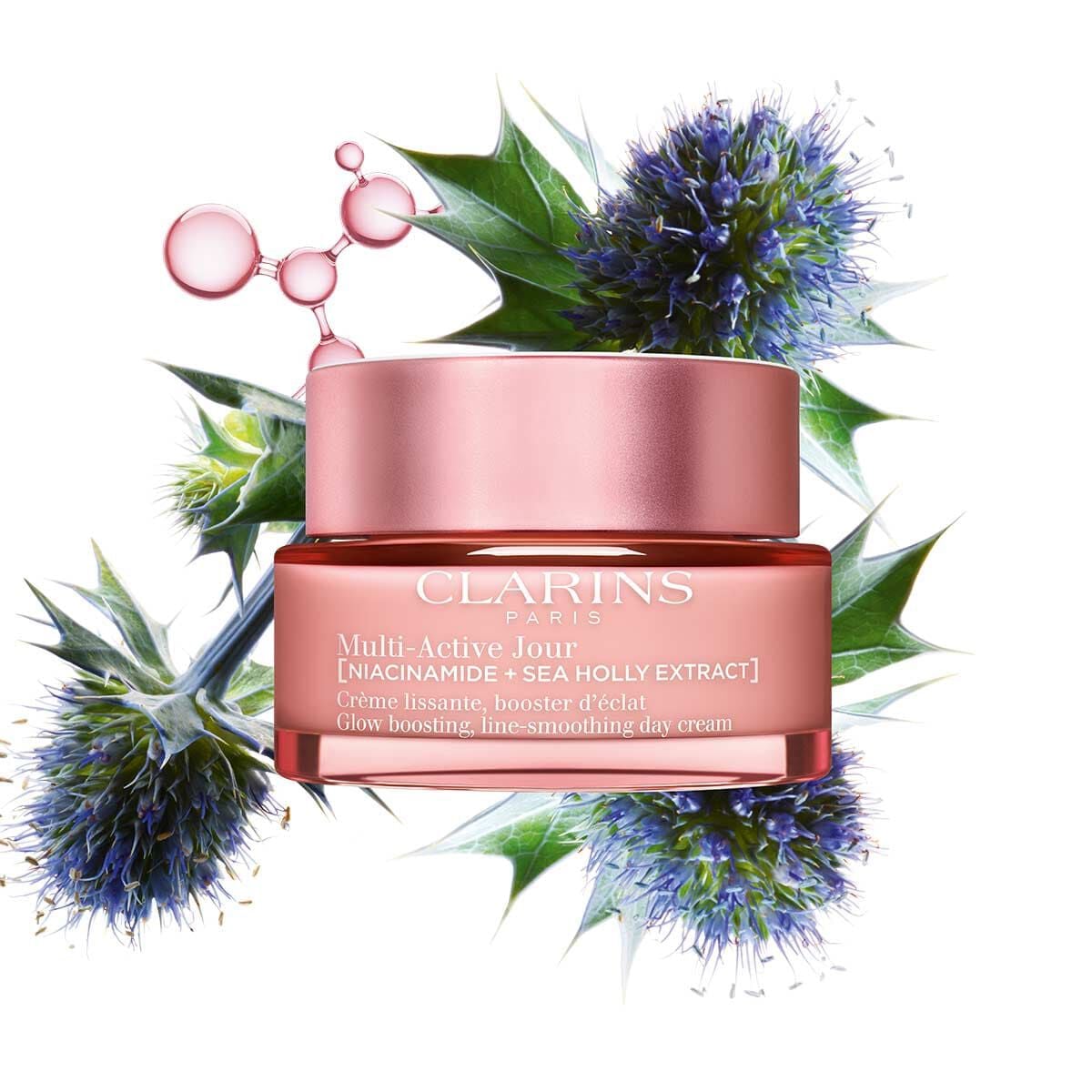


Skin Care For 30s
Skincare for your 30s brings together formulas for hydration, comfort, radiance and a smoother-looking complexion, with skin type remaining the most useful consideration. There is no single texture or ingredient combination that suits everyone: skin can be dry, oily, combination or sensitive, with concerns such as blemishes, dullness and uneven texture appearing in different combinations. A forehead that looks shiny alongside cheeks that feel tight after washing is a familiar example of why one concern rarely tells the whole story. Dry skin generally benefits from richer textures that help soften roughness and retain moisture, while oily skin may feel more comfortable with lightweight lotions or gels. Dehydration is different from dryness and can affect oily complexions too, so a shiny finish does not necessarily mean skin needs less hydration. Fine lines associated with dehydration can look less noticeable when skin is well moisturised, although hydration cannot erase expression lines. For combination skin, a light overall texture with extra nourishment where needed can offer a comfortable balance without leaving the entire face feeling heavily coated. Sensitive skin calls for particular attention to the full ingredient list, fragrance preferences and the way a formula feels on application. Fragrance-free options may appeal to those who find scented skincare uncomfortable, but no label can guarantee suitability for every complexion. The appeal of a skincare collection lies as much in these practical details as in its stated benefits. A cream that leaves skin supple rather than sticky, a facial wash that rinses away comfortably and a serum that sits neatly beneath moisturiser can make a collection feel well matched. Texture, finish and tolerance deserve as much attention as a prominent ingredient name, especially when several formulas are intended to work together.
Facial washes, toners, serums and moisturisers each offer something different, allowing a selection to reflect the needs of the complexion rather than a fixed number of steps. Creamy washes and melting balms can appeal to skin that dislikes a stripped feeling, while rinse-off gels offer a lighter texture for those who prefer a fresh, weightless finish. Their purpose is to lift away surface impurities, excess oil and sunscreen without unnecessary friction. Facial toners are optional additions, with hydrating versions offering a light layer of moisture rather than the taut sensation associated with strongly astringent formulas. Serums provide another way to choose a particular texture or address a visible concern without relying on a heavier cream. Hyaluronic acid and glycerin attract water to help skin feel hydrated and look plumper, while ceramides support the skin’s moisture barrier. These ingredients serve different functions, so their presence together can be useful for a complexion that feels both thirsty and uncomfortable. Vitamin C is associated with antioxidant care and a brighter-looking, more even complexion; peptides are often included in formulas intended to improve the appearance of smoothness and firmness. Retinol, a form of vitamin A, features in skincare aimed at uneven texture and visible fine lines, but strength and tolerance matter because it can cause dryness or irritation. Retinoids are unsuitable for pregnancy or anyone trying to conceive, and those who are breastfeeding should seek advice from a healthcare professional. Exfoliating ingredients such as lactic acid and glycolic acid help loosen dead surface cells for a smoother feel, but combining several exfoliating or intensive formulas can leave skin uncomfortable. A tingling sensation is not proof that skincare is working better. Moisturisers bring the focus back to comfort, with fluid emulsions offering light hydration and richer creams providing a more cushioned finish. Facial oils can add softness where skin feels dry, although they do not perform exactly the same role as a water-based hydrating formula. The complete formulation matters more than judging a product by one ingredient alone.
Broad-spectrum sun protection with SPF 30 or higher is another important consideration for a skincare collection, helping protect against UVA and UVB rays when applied as directed. SPF describes protection against UVB, so a clear UVA protection claim is also worth checking on the packaging. A moisturiser without a stated SPF should not be assumed to provide sun protection, and correct application matters alongside the rating. Texture makes a practical difference here too: a fluid may appeal to someone who dislikes a coated feeling, while a creamier finish may feel more comfortable on dry skin. Eye care and masks offer more targeted choices without being essential additions for everyone. A suitable eye formula can moisturise delicate skin and soften the appearance of dehydration lines, while masks may provide extra comfort or help absorb excess surface oil, depending on their formulation. These options are most useful when they answer a recognisable need rather than simply adding more layers. Packaging can also influence the experience: pumps offer controlled dispensing, tubes are easy to handle, and jars may suit richer textures used with a supplied spatula. Following storage directions, closing lids securely and keeping applicators free from residue helps protect the condition of the formula. For a skincare gift, familiar textures and the recipient’s stated preferences are more helpful than assumptions about what their complexion needs. A comfortable moisturiser or gentle facial wash may feel more personal than an intensive treatment chosen without knowing their tolerances. Related collections such as Skincare For Women In Their 20s share an emphasis on matching care to the individual complexion. Across a skincare selection, the strongest foundation is a clear purpose for each formula: comfortable washing, suitable hydration, thoughtful attention to visible concerns and appropriate sun protection, with enough flexibility for different skin types and preferences.
