
Quality Skin Care Products
When it comes to taking care of your skin, using high-quality skin care products is essential. Quality skin care products are formulated with effective and safe ingredients that can help improve the health and appearance of your skin.


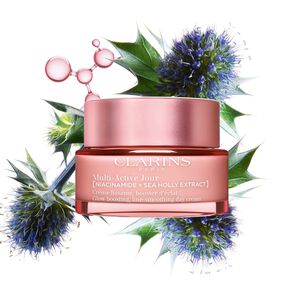
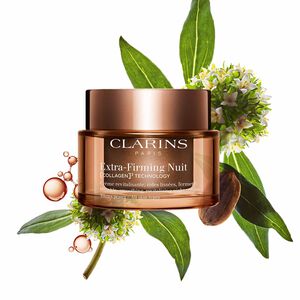
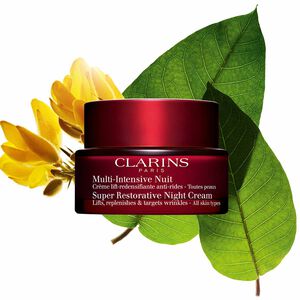
Quality Skin Care Products
Quality skin care products are those that suit the skin they’re used on and have a clear place in a facial care routine. That might mean a face wash that lifts away surface oil without leaving the cheeks feeling tight, a serum that adds hydration without a heavy finish, or a moisturiser that softens rough-feeling areas. When comparing Skin Care Products, texture is a useful starting point. Dry skin may feel rough or tight and often suits a cream with a more cushioning texture, while oily skin may feel more comfortable with a light lotion or gel. Dehydration is about a lack of water in the skin rather than a lack of oil, so a shiny forehead doesn’t rule out a need for hydration. Combination skin can make those differences especially noticeable: a cream that feels just right across the cheeks may have more slip than someone wants around the nose and chin. A light layer across the face with a richer texture where skin feels dry can suit that contrast better than expecting one finish to feel right everywhere. For sensitive skin, the full ingredient list is more useful than judging a formula by how light it feels. A fragrance-free option may suit someone who prefers to avoid added fragrance, although the label alone can’t tell them how their skin will respond. It also helps to separate the finish from the concern. A soft sheen may be welcome on skin that looks dull, but for someone who dislikes feeling a layer on the face, a moisturiser that settles without much residue might have more appeal. A silky texture on the back of the hand gives an impression of how a formula spreads, but how that texture feels across the face is what matters for fit.
The ingredients and format help explain what a formula is intended to do. A face wash is designed to lift away surface oil and residue and rinse off, while serums, lotions and creams are designed to stay on the skin. Some face washes lather and others stay milky; foam is largely a matter of preference and doesn’t tell the whole story about how comfortable the face will feel after rinsing. In leave-on formulas, humectants such as glycerin and hyaluronic acid help attract and hold water, while emollients help soften the feel of rough areas. Ceramides are lipids found in the skin barrier and are used in some moisturisers to help support that barrier. A fluid serum can add hydration with relatively little weight, whereas a cream can be a better fit for cheeks that still feel tight with a lighter layer. A facial oil serves a different purpose: it adds slip and can leave a supple feel, but it doesn’t add water to the skin. Someone who likes that softness without much sheen may prefer a lotion with emollients instead. Exfoliating formulas have a more specific role and may appeal to someone concerned with rough surface texture or a dull appearance. A gritty feel or a tingle isn’t proof that an exfoliant is doing more, and skin that’s easily irritated may be more comfortable with a simpler selection focused on hydration and softness. The length of an ingredient list is no guarantee of how well a formula will suit someone, either. Formulas sharing a familiar ingredient can spread, settle and feel quite different. That’s why a lotion and a cream can both make sense for dry-feeling skin, depending on whether the preference is for a fluid layer or a more substantial finish. Equally, someone with oily skin may enjoy a cream on a tight patch without wanting that texture across the whole face.
Packaging and care are part of how a skin care product fits into a routine. A pump can dispense a fluid formula without the need to dip fingers into a container, a squeeze tube can be handy in a washbag, and a jar can make a thick cream easier to scoop. A secure cap is worth looking for if products are carried in a bag where they’ll sit on their side. For products kept beside a basin, closing the lid firmly and using washed, dry hands to take cream from a jar helps keep water and residue out. The label is the place to check guidance on storage, handling and use. If a formula develops an unusual smell or its colour or texture changes unexpectedly, it’s sensible to stop using it rather than assume it’s still in good condition. How products feel together is another factor: a light serum beneath a moisturiser may add hydration without adding much weight, but several rich layers may feel heavier than intended. Someone who likes an uncomplicated routine might prefer one moisturiser with a comfortable finish to several formulas that serve much the same purpose. The same attention to texture makes skin care a more personal gift. A friend who favours barely-there lotions may appreciate a fluid moisturiser, while someone who enjoys the feel of a generous cream across the cheeks may prefer a richer option. If the recipient’s preferences aren’t familiar, a straightforward moisturiser is generally easier to fit into an existing routine than a specialist exfoliating formula, though known sensitivities and fragrance preferences are still worth bearing in mind. A well-chosen gift needn’t suggest that anything about the recipient’s skin should change. It can simply offer the sort of soft, fresh or softly cushioned finish they already enjoy.
