
Hydrating Anti Ageing Creams For Women
Discover a curated selection designed to help skin feel beautifully nourished and refreshed. Each hydrating anti ageing cream for women in this collection is crafted to deliver a comforting veil, leaving your complexion looking supple and radiant. Whether you’re seeking a lightweight texture or a richer formula, these creams offer options to suit every preference, helping to maintain a smooth, luminous appearance. Explore the range and find the perfect addition to your daily beauty routine.
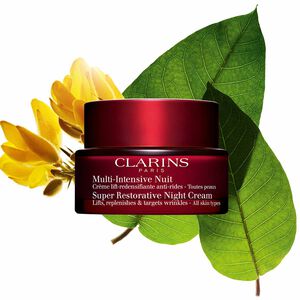


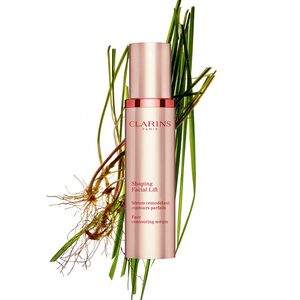


Hydrating Anti Ageing Creams For Women
Hydrating anti-ageing creams for women bring together moisture, comfort and care for the appearance of fine lines, helping skin look smoother, softer and more supple. Hydration is especially relevant where skin feels tight across the cheeks, looks less radiant or has a slightly creased appearance associated with dryness. A well-chosen facial moisturiser can soften that dry, papery feel without leaving an unwanted heavy coating. The most relevant ingredients depend on the formula and the finish you prefer: hyaluronic acid and glycerin attract water, emollients soften the skin’s surface, and ceramides help support the moisture barrier. Together, these different types of ingredients can make a cream feel both hydrating and cushioning. Niacinamide can support the skin barrier and a more even-looking complexion, while peptides are often included in formulas designed to improve the appearance of firmness. No single ingredient tells the whole story, however. Its role within the complete formulation, the texture of the cream and its suitability for your skin all matter. A cream described as firming may suit someone seeking a more supple appearance, while a moisture-focused formula may appeal most where tightness and roughness are the main concerns. Hydration can also make fine lines caused by dehydration look less pronounced, although this is different from changing deeper facial lines. For women who want a straightforward skincare routine, a cream that combines comfortable hydration with smoothing benefits offers a practical way to address several preferences in one application. The appeal is not simply a richer texture or a longer ingredient list; it is the feeling of skin that moves comfortably when you smile, with a soft surface rather than a taut finish. These creams are facial skincare, intended to complement other suitable treatments rather than replace every step. Their place in a routine is shaped by the skin’s needs, the product directions and whether the desired result is a fresh, lightly moisturised feel or a more enveloping layer of comfort.
Texture makes a noticeable difference to how a hydrating face cream feels, particularly where different areas of the face have different needs. Dry skin may suit a rich cream with a velvety slip that spreads easily across the cheeks and leaves them feeling cushioned. Combination skin may prefer a lighter cream that comforts drier areas without making the forehead and nose feel coated. Oily skin can still lack water, so a fluid moisturiser or gel-cream may provide hydration with a less weighty finish. The distinction between moisture and richness is useful: a lightweight formula can be hydrating, and a thick cream is not automatically the right match for every complexion. Think of the difference between a silky cream that seems to settle into the skin and a balm-like texture that leaves a more noticeable protective layer. Both can have a place, depending on personal comfort and the product’s intended use. Skin that is easily unsettled deserves particular care with fragrance, exfoliating ingredients and concentrated treatments. A fragrance-free option may be preferable for some people, but the full ingredient list and individual tolerance remain important. Trying a small amount on a discreet area, in line with the product directions, can help assess suitability. For application, a cream should glide rather than require vigorous rubbing; a modest amount distributed gently across the face is often more comfortable than a thick coating. The neck can also benefit where the formula is intended for that area, while the delicate eye contour should receive only products labelled as suitable. If a serum is part of the routine, choosing complementary textures can help avoid a sticky or overly layered feel. A hydrating serum beneath a rich moisturiser may suit very dry cheeks, whereas a lighter pairing may feel more pleasant across an oilier T-zone. Product directions should determine the amount and placement, especially for formulas containing active ingredients. Comfortable hydration should leave skin feeling supported, not stretched, prickly or weighed down.
The finish of a cream is as personal as its texture. Some women enjoy a softly luminous look that makes the complexion appear fresh and supple; others prefer a satin finish with little visible sheen. Neither requires a strongly fragranced or elaborate formula. A pleasant facial moisturiser should fit easily alongside the skincare already in use, with clear directions and a texture that feels appropriate for the intended area. Moisturisers without labelled sun protection should not be treated as sunscreen, and a cream with SPF should be used according to its protection instructions. Packaging can also influence the experience. A tube allows a small amount to be dispensed neatly, a pump offers controlled dispensing, and a jar can make a dense cream easy to access. Whatever the format, keep the closure secure, follow the storage directions and avoid exposing the contents to excessive heat. Hands and any applicator should be freshly washed and thoroughly dried before touching cream in a jar. These small details help keep the product suitable for its intended use without making skincare feel complicated. As a gift, a hydrating facial cream is most thoughtful when it reflects the recipient’s preferences: an understated, fragrance-free texture for someone who dislikes scent, for example, or a plush cream for someone who enjoys a cushioned feel. Sensitivity, preferred finish and existing skincare choices are more useful considerations than assumptions about what another person’s skin needs. For a related selection, Hydrating Face Creams For Women Over 30 offers another way to explore facial moisturisers. Across hydrating and firming creams, the key distinctions remain the same: how the formula supports moisture, how comfortably it sits on the skin and which visible concerns its stated benefits address. Whether the preference is for a delicate gel-cream or a richer, satin-soft moisturiser, the aim is a complexion that feels comfortable and looks smooth, supple and well cared for.

