
Everyday Skincare
Skincare is an essential part of our daily routine that often gets overlooked. Taking care of your skin not only helps maintain a healthy complexion but also plays a significant role in preventing premature ageing and protecting against environmental damage.


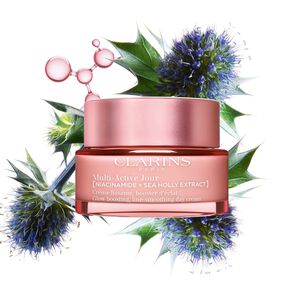


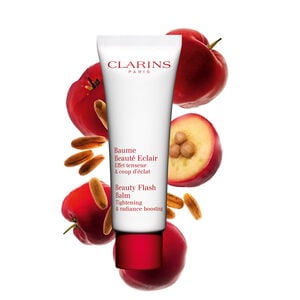
Everyday Skincare
A well-chosen skincare collection brings together textures that feel comfortable, formulas suited to individual needs and products that are pleasant to use. The aim is not a crowded bathroom shelf, but a selection that supports soft, supple skin without unnecessary complexity. Facial cleansers, toners, serums and moisturisers each have a distinct place, with the right combination depending on skin type, sensitivity and preferred finish. A complexion that feels taut after rinsing may suit a creamy cleansing milk, while someone who dislikes richer textures might prefer a lightweight gel. Balms and oils offer a different sensory experience, with textures that massage across the face and emulsify with water where directed. Whatever the format, facial cleansing should leave skin feeling comfortable rather than squeaky or stripped. Explore Gentle Cleansers For Daily Skincare for this essential part of a skincare collection. Texture matters just as much as the description on the packaging: a cushiony cream can feel reassuring on dry cheeks, whereas a fluid consistency may appeal to someone who wants very little residue. Facial toners also vary, from watery lotions to more substantial essences, and can add a layer of hydration without the weight of a cream. They are an optional addition rather than a requirement for every complexion. Skin that flushes easily or reacts to fragranced formulas calls for particular care with product selection, although a fragrance-free label alone does not guarantee suitability. Clear suitability information and directions are more useful than choosing by scent or packaging alone. There is also no need to make every part of a collection intensely targeted. A gentle facial wash and a comfortable moisturiser can provide a straightforward foundation, with other formulas chosen to address a particular preference or concern. The most useful selection is one that makes sense for the person using it, whether that means a few uncomplicated essentials or a broader choice of textures for different areas of the face. Personal comfort remains a valuable consideration alongside ingredient preferences and the finish a formula leaves on the skin.
Hydration is central to many skincare choices, but hydrated skin does not have to feel heavily coated. Glycerin and hyaluronic acid are humectants, ingredients that help attract and hold moisture, and appear in textures ranging from fluid serums to richer creams. Emollient ingredients help soften the skin’s surface, while formulas containing lipids such as ceramides can help support its moisture barrier. These ingredient groups serve different purposes, which is why the full formula matters more than a single prominent ingredient. A serum is often chosen for its concentrated focus and lighter texture, while a moisturiser adds comfort in a lotion, gel-cream or cream format. For someone whose cheeks feel dry but whose forehead looks shiny, a light lotion may be more appealing than a dense balm across the whole face. Different areas can also have different needs; a richer texture on a dry patch need not dictate the feel of the entire collection. Oily skin can still feel dehydrated, so choosing only strongly astringent textures may not deliver the comfort being sought. Equally, dry skin does not always need the heaviest cream: spreadability, absorption and the finish against the fingertips all influence how enjoyable a moisturiser feels. Serums selected for radiance, uneven-looking tone or surface smoothness offer additional options, provided their directions and suitability match the skin’s needs. Exfoliating formulas deserve particular attention to compatibility, especially where several products contain exfoliating acids. More layers do not automatically mean a better result, and a comfortable combination is preferable to one that leaves skin stinging or visibly irritated. Where formulas are suitable for layering, lighter textures generally sit more comfortably beneath richer ones, although the packaging directions take priority. A fine, silky serum beneath a soft cream can feel quite different from a gel moisturiser used alone. Those differences are worth considering alongside the intended benefit, particularly for anyone who dislikes tackiness, a pronounced sheen or a substantial film on the face. Skincare should offer a finish that feels as agreeable as its texture suggests.
Care for the eye contour, lips and neck can sit alongside facial essentials without making the selection complicated. Eye-area formulas are developed for their stated application area and may appeal to someone who prefers a finer texture around the eyes than on the cheeks. Gentle application and attention to the label are important, particularly for anyone with sensitivity in that area. Lip balms offer a more concentrated, cushioning feel for lips that feel dry, with sticks, tubes and pots providing different application preferences. A stick is convenient for precise application without using fingertips, while a tube allows a small amount to be dispensed onto a finger where directed. The same practical considerations apply across skincare packaging. Pumps can make dispensing straightforward, tubes offer control over the amount released, and jars provide access to thicker textures that may be awkward to dispense through a narrow opening. Secure closures and packaging that is comfortable to hold matter, especially if products are carried in a wash bag. Materials such as glass and plastic also affect weight and handling, although the container alone says little about whether the formula will suit a particular complexion. Hygienic handling helps keep formulas in good condition: lids should close firmly, and droppers should not touch the skin unless the directions specify otherwise. Storage and handling instructions are part of product suitability, not merely small print. These details are useful when choosing skincare as a gift, too. Someone who enjoys rich, velvety creams may appreciate a different texture from a person who prefers barely perceptible lotions. Familiarity with the recipient’s preferences, sensitivities and preferred application formats is more helpful than guessing at a concern they have not expressed. A gift can focus on comfort and enjoyment without suggesting that someone’s appearance needs correcting. For personal use or gifting, the strongest skincare selection brings together appropriate formulas, appealing textures and practical packaging, with each part serving a clear purpose and feeling at home beside the others.
