
Daytime Treatment Essences For Dull Skin
Dull skin can be a common concern for many individuals, especially during the daytime when our skin is exposed to various external factors such as pollution, UV rays, and stress. To combat dullness and achieve a radiant complexion, incorporating a daytime treatment essence into your skincare routine can make a significant difference.


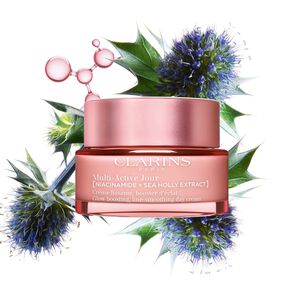


Daytime Treatment Essences For Dull Skin
Treatment essences for dull skin are lightweight skincare products designed to add hydration, soften the feel of the skin’s surface and support a fresher, more radiant appearance. Sitting between a facial toner and a serum in texture, an essence can feel almost as fluid as water or have a slightly cushioned, silky consistency. Its appeal lies in that delicate balance: a comfortable layer of moisture without the weight of a rich cream. Dullness can show itself as a flat-looking complexion, a lack of luminosity across the cheeks or surface texture that makes skin appear less smooth. Where dehydration contributes to that appearance, a hydrating essence can help skin look plumper and feel more supple. It does not need to leave a glossy coating to create a visible sense of freshness; a soft, even-looking finish can be just as flattering. These formulas suit people who enjoy featherlight textures, as well as those whose skin feels tight despite using a moisturiser. An essence can also appeal to someone who finds richer layers uncomfortable across the forehead and nose but still wants softness through the cheeks. The important distinction is between adding moisture and adding richness: an essence generally offers the former, while a cream can provide a more substantial, comforting layer. A fluid formula is therefore a complement to other skincare rather than an automatic replacement for serum or moisturiser. For a complexion that looks lacklustre yet feels oily to the touch, a light texture may be particularly appealing. For skin that feels dry and slightly rough, a silkier essence can provide a pleasing contrast to that tight sensation. The right match depends less on how glossy the liquid looks in its bottle and more on how comfortably it sits on the skin, how readily it spreads and whether its finish suits the other textures in a skincare collection.
Ingredients help distinguish one treatment essence from another, although the complete formula matters more than any single ingredient on its label. Humectants such as glycerin and hyaluronic acid attract and hold water, helping to support a hydrated, smoother-looking surface. They are particularly relevant where dullness accompanies a taut feeling around the cheeks or a lack of suppleness. Formulas containing ceramides may offer additional support for the skin’s moisture barrier, while niacinamide can help support barrier function and a more even-looking complexion. Vitamin C derivatives feature in some radiance-focused skincare, although their suitability and benefits depend on the derivative, concentration and formulation. Botanical extracts can contribute to an essence’s sensory character or skincare benefits, but an extract’s name alone does not establish how a formula will perform. The same applies to fermented ingredients: these can be part of an appealing formula, without making every essence that contains them suitable for every skin type. For skin that is easily unsettled, fragrance preferences and tolerance deserve as much attention as a promise of radiance. A fragrance-free option may be preferable for someone who finds scented facial products uncomfortable. Skin that feels both shiny and tight may favour a fluid, low-residue essence rather than a densely cushioned texture. By contrast, a complexion with dry-feeling patches may appreciate a milkier consistency beneath a moisturiser. An essence focused on hydration is also distinct from one formulated with exfoliating acids. Both may be associated with a smoother-looking complexion, but their intended use and suitability are not interchangeable. Product directions and the full ingredient list are useful points of comparison, especially for anyone using other targeted treatments. There is no need for a noticeable tingling sensation to make a hydrating essence feel worthwhile. Comfort, softness and an agreeable finish are meaningful qualities in their own right. A well-matched texture should make the overall skincare combination feel considered, rather than leave skin sticky, overloaded or craving a richer layer.
The pleasure of a treatment essence often comes from small, tactile details: the way a few drops glide across the cheeks, the light slip beneath the fingertips and the soft finish left across the face. A fine, watery texture suits someone who prefers barely perceptible layers, while a more velvety liquid can appeal to those who enjoy a cocooning feel without choosing a heavy cream. Packaging also shapes that experience. A controlled opening or pump can make a fluid essence easier to dispense, particularly when only a small amount is needed to cover the face. More liquid is not necessarily more comfortable; an excess can leave a film that interferes with the feel of a serum or moisturiser. Application should follow the product’s directions, with gentle handling rather than vigorous rubbing, particularly where skin feels delicate. An essence intended for the face should not be assumed suitable for the eye area unless its label says so. Keeping the closure secure and following the storage information helps preserve the product’s intended condition, while avoiding direct contact with the dispensing opening supports careful handling. These practical details matter just as much as the elegance of the bottle. As a gift, a treatment essence can suit a skincare enthusiast who enjoys exploring textures, especially when their skin type and fragrance preferences are familiar. A hydration-focused choice may be easier to match than a highly targeted exfoliating formula, although personal tolerance remains important. For a related selection focused on a lacklustre appearance, explore Essences For Tired Looking Skin. Across this category, the most useful comparison is the balance of hydration, texture and comfort rather than the most elaborate ingredient story. Whether the preference is for a water-light liquid or a softly cushioning essence, the aim is a formula that fits comfortably alongside other facial skincare and leaves dull-looking skin feeling supple, smooth and pleasantly hydrated, with a fresh-looking radiance rather than an overly shiny finish.

