
Daytime Makeup Foundations
Achieve a flawless complexion with our range of daytime makeup foundations. Designed to provide seamless coverage, these foundations blend effortlessly into the skin for a radiant-looking finish. Whether you seek a matte finish or a dewy glow, our selection caters to a variety of skin types and tones. Explore lightweight formulas that enhance your beauty while offering comfort and breathability. Suitable for any occasion, daytime makeup foundations create a polished, confident appearance.


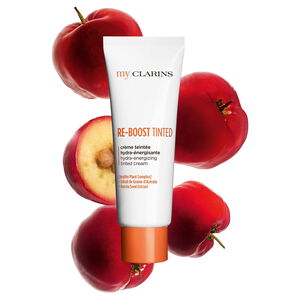

Daytime Makeup Foundations
Makeup foundations create an even, polished-looking complexion while allowing real skin texture to remain visible. Many people prefer lightweight formulas that feel comfortable across the face and blend without a heavy or mask-like appearance. Coverage can range from sheer to medium and buildable, making it easier to tailor the finish to your preferences: a fine veil can soften uneven tone, while an extra layer over the centre of the face can provide more coverage where wanted. Finish is another important consideration. Balanced finishes sit between matte and luminous, helping the complexion look harmonious in different lighting, while radiant foundations bring a soft glow. Those who prefer a softer, shine-free appearance may gravitate towards a velvet or matte finish, particularly around the forehead, nose and chin. A foundation with a breathable texture can be especially appealing for makeup looks that call for a light, effortless feel. Skin tone and undertone are equally important when choosing a shade. Hold a few close matches along the jawline rather than testing only on the hand, then check that the colour blends seamlessly into both the face and neck. Cool undertones may have a pink or rosy cast, warm undertones can appear golden or peachy, and neutral undertones sit comfortably between the two. When a shade is close but not exact, mixing two complementary shades can create a more personal match. A foundation can also make a thoughtful beauty gift for someone who enjoys creating a polished base, provided you know their shade, preferred finish and usual coverage. If those details are uncertain, a flexible, buildable formula or a shade-matching gift card can make the choice feel more considered.
Application can alter the appearance of a foundation as much as the formula itself. Use a freshly washed set of makeup brushes or a damp sponge, applying a small amount rather than covering the entire face in one generous layer. Concentrate on the centre of the face, where redness or uneven tone is often more noticeable, and blend towards the cheeks, jawline and hairline so the edges remain seamless. A flat foundation brush can give more precise, buildable coverage, while a soft buffing brush works well for a smooth, diffused finish. A damp sponge pressed gently over the complexion can create a sheer, skin-like result. Avoid dragging the product across the face; light pressing and short, controlled strokes help maintain an even layer. Give particular attention to the sides of the nose, around the mouth and beneath the eyes, where product can gather if too much is applied. Build coverage only in selected areas to keep the perimeter of the face fresh and prevent the base from looking overly made up. Primer can be chosen according to the finish you want: a smoothing primer can help foundation glide over the complexion, while a radiance-boosting makeup primer can enhance a luminous look. Setting powder is often most useful when applied sparingly to areas prone to shine, such as the T-zone, leaving the outer cheeks with a skin-like finish. A fine mist of makeup setting spray can also help the layers appear more unified.
Exploring Autumn Makeup Foundations is a helpful way to discover complexion products suited to a polished makeup look. Look for a texture that complements your routine rather than choosing coverage by description alone. A fluid foundation may suit anyone who likes easy blending and a barely-there feel, while a creamier formula can appeal to those who enjoy a more perfected finish with carefully layered coverage. People with combination complexions may prefer to apply a satin or radiant formula across the cheeks and use a small amount of powder through the centre, creating contrast without losing dimension. Those who enjoy a minimalist makeup look can choose a sheer layer and add concealer only where required, while anyone preparing for presentations, celebrations or photographs may appreciate medium, buildable coverage that can be adjusted to suit the occasion. Foundation can be worn alone for a polished, understated look or paired with complexion makeup such as concealer, blush, bronzer and highlighter for added definition. Keep the balance in mind: a luminous base can be paired with a softly defined eye and a touch of colour on the cheeks, while cream or satin-finish cheek makeup can bring dimension to a matte base. Keep the bottle or compact securely closed and applicators hygienic so the formula remains pleasant to apply. With the right shade, finish and technique, daytime makeup foundations offer a smooth, comfortable canvas that looks considered while still resembling real skin.

