
Crepey Skin Products
Crepe skin, characterized by its thin, wrinkled appearance resembling crepe paper, is a common concern for many individuals as they age. Fortunately, there are a variety of products available on the market that can help improve the appearance of crepey skin.


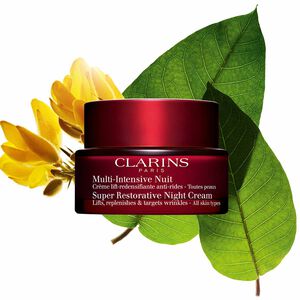


Crepey Skin Products
Crepey skin products are designed for skin that looks finely crinkled or feels less supple, with textures that help bring softness and comfort to delicate-looking areas. The term describes a tissue-like appearance rather than a single skin type, so the right choice depends on how the skin feels as well as how it looks. A fine, rippled texture may be noticeable across the neck and décolletage, on the upper arms or around the knees, while facial skin may show a similar need for moisture and a smoother-looking finish. Dryness can make these small creases appear more pronounced, which is why hydration and nourishing care are central to this category. Creams, lotions, balms and serums offer different ways to address that need without treating every area alike. A rich body cream may suit skin that feels rough beneath clothing, whereas a lighter lotion can be more comfortable for someone who dislikes a coated feeling. For the neck, a silky cream that spreads with little pressure may feel particularly pleasant; for the face, the preferred texture may depend on whether the cheeks feel tight or the centre of the face feels shiny. Product descriptions that focus on suppleness, moisture and a firmer-looking appearance can help distinguish these formulas from products intended mainly for exfoliation or blemishes. The aim is skin that feels cushioned and comfortable, not an artificially tight finish. Although cosmetic care cannot remove loose skin or alter its underlying structure, a well-chosen moisturising formula can soften the appearance of dryness-related creasing and leave the surface feeling smoother. This makes crepey skin care relevant to anyone seeking greater comfort alongside a more even-looking texture, whether the concern is a small patch on the arms or a broader preference for richer face and body care. The most satisfying choice is one that suits the area being treated and feels pleasant enough to earn a place among familiar beauty essentials.
Formula composition makes a meaningful difference to that experience. Humectants such as glycerin and hyaluronic acid help attract and hold moisture, making them useful ingredients to look for when skin feels tight or appears finely lined through dryness. Emollients, including shea butter and suitable plant oils, help soften rough-feeling areas and give creams their smooth, cushioning character. Ceramides are associated with support for the skin’s moisture barrier, while richer balm textures help limit moisture loss from the surface. These ingredient types perform different roles, and a balanced formula may combine several rather than relying on one headline ingredient. Texture is just as important as the ingredient list: a fluid serum spreads thinly, a lotion offers slip across larger areas, and a substantial cream gives more cushioning where skin feels especially dry. Richness does not have to mean heaviness, so descriptions such as silky, velvety or melting can provide useful clues about the finish, although individual preferences will vary. Someone who dislikes residue on their hands may favour a lotion that settles without tackiness, while someone whose elbows feel rough against a sleeve may prefer a more substantial cream. Facial formulas should be selected for the face, and products intended for the body should not be assumed suitable for the eye contour or other delicate areas. Fragrance is another consideration: a softly scented cream can add to the pleasure of application, but fragrance-free options may be preferable for skin that reacts easily to perfumed products. Exfoliating formulas deserve particular care where the skin already feels fragile, uncomfortable or irritated; a stronger sensation is not evidence of a more suitable product. Packaging directions and suitability statements offer a firmer basis for choosing than texture or scent alone. For sensitive skin, a patch test carried out according to the label can help assess tolerance, while persistent irritation or an unexplained change in the skin is a reason to seek professional advice rather than add another cosmetic formula.
The appeal of crepey skin care also lies in how comfortably it fits into a personal beauty ritual. A cream that glides across the shoulders without dragging, a lotion that leaves the arms smooth beneath a blouse, or a facial moisturiser that cushions the cheeks without feeling sticky each answers a slightly different need. Gentle application matters for delicate-feeling skin: there is no benefit in vigorous rubbing or stretching an area to work in a rich texture. A formula with good slip makes a light touch easier, especially across the neck and chest. Where several skincare textures are used together, their compatibility is worth considering; a serum and moisturiser should sit comfortably together rather than roll into small flakes or leave an unpleasant film. More products do not necessarily mean greater comfort, and a straightforward selection can be a better fit for skin that reacts to complicated combinations. Exploring Quality Skin Care Products can help place these choices within a broader selection of moisturising and nourishing skincare, with attention to the needs of each area. Packaging can shape the experience too: a pump offers controlled dispensing, a tube is easy to handle, and a jar provides access to thicker textures. Keeping closures secure and following the storage guidance on the pack helps maintain the formula as intended. For a beauty gift, the recipient’s texture and fragrance preferences are more useful than assumptions about their skin; a body cream chosen for its comforting feel can be a thoughtful option without drawing attention to a concern they have not raised. Whether chosen for the face, neck or body, products for crepey skin are most appealing when their purpose is clear and their feel matches personal preference. Softness, suppleness and a comfortable finish provide a practical focus, with room for both lightweight hydration and more enveloping nourishment.
