
Creams For Mature Skin In Winter
As we age, our skin undergoes changes that can be exacerbated by the harsh winter weather. Mature skin tends to be drier, thinner, and more prone to wrinkles and sagging. To combat these effects and keep your skin looking radiant during the colder months, it is important to choose the right creams specifically formulated for mature skin.
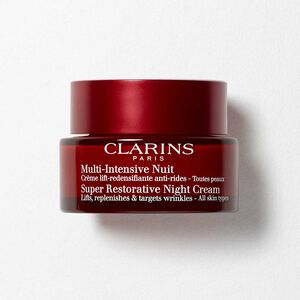

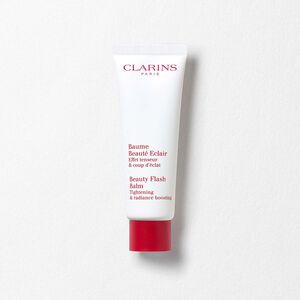


![Hydra-Essentiel [HA²] Mask](https://www.clarins.co.uk/dw/image/v2/AAFS_PRD/on/demandware.static/-/Sites-clarins-master-products/en_GB/dwda237990/original/80102843_original_original_PLP.jpg?sw=300&sh=300 "Hydra-Essentiel [HA²] Mask")


Creams For Mature Skin In Winter
Cold weather can leave mature skin feeling tight, rough or less supple, particularly across the cheeks, around the mouth and along the jawline. Creams with a rich, cushioning texture offer moisture and comfort without needing to feel heavy or sticky. The most suitable choice depends on how skin feels: a face that feels dry all over may welcome a generous balm-like cream, while skin with dry cheeks and a shinier forehead may prefer a softer, more fluid texture. For mature skin, hydration, nourishment and support for the skin barrier are useful considerations, alongside the appearance of fine lines and a loss of firmness. A well-suited moisturiser helps soften the look of dehydration lines and leaves the surface feeling smoother, with a supple finish rather than an uncomfortable film. Cold air and indoor heating can make a familiar feeling of dryness more noticeable, so the texture of a cream matters as much as its ingredient list. A velvety cream that spreads easily can feel especially comfortable on delicate-feeling skin, without requiring firm rubbing. Richness alone, however, does not tell the whole story. Some dense creams have a beautifully soft finish, while lighter emulsions can still provide substantial hydration through a balanced blend of moisture-binding and cushioning ingredients. The right balance is personal: skin should feel comfortable and moisturised, not coated or weighed down. Creams in this category may suit anyone whose complexion feels thirsty, looks a little flat or needs extra softness in cold conditions. They also offer a focused way to address texture and comfort together, rather than treating every visible concern as a separate task. A smooth, pliable feel, an even-looking surface and a gentle radiance are useful qualities to look for, whether the preferred finish is quietly satin-like or more enveloping. Choosing by these tangible qualities makes the category easier to navigate than relying on the thickness of a cream or the richness of its description alone.
The ingredients within a moisturising cream perform different jobs, and a balanced formula brings those roles together. Humectants such as glycerin and hyaluronic acid attract and hold water, helping skin feel hydrated and look plumper. Emollients, including squalane and shea butter, soften the surface and give a cream its smooth, cushioning character. Ingredients that help limit moisture loss add another layer of comfort, particularly where skin feels rough or tight. Ceramides are lipids found in the skin barrier; creams containing them can help support that barrier and its ability to retain moisture. These functions complement each other, which is why a cream with several types of moisturising ingredients may feel more satisfying than one selected for a single headline ingredient. Niacinamide may also feature in formulas designed to support the barrier and improve the appearance of uneven tone, while peptides are often included in creams focused on smoothness and firmness. The effect of any finished formula depends on its composition, so an ingredient name is only part of the picture. Texture, fragrance and compatibility with the rest of a skincare routine deserve equal attention. For skin that is sensitive to perfume, a fragrance-free option may be preferable; for someone who enjoys a scented face cream, the fragrance should still feel agreeable rather than overpowering. Rich textures are not automatically the right answer for every complexion, and a formula that suits very dry skin may feel excessive on areas prone to shine. Equally, a light cream that feels elegant on the forehead may leave the cheeks wanting more cushioning. Creams that spread evenly make it easier to vary the amount across the face without building an unnecessarily thick layer. Where a stronger-feeling skin barrier and a firmer-looking complexion are particular interests, Creams For Strengthening Mature Skin offers a related selection to explore. These are complementary considerations, but distinct ones: barrier support concerns moisture retention and comfort, while firmness describes the appearance and feel of the complexion.
A face cream also needs to fit comfortably into the skincare routine surrounding it. With a hydrating serum, a cream provides a soft finishing layer that helps retain moisture; used on its own, it should still leave skin feeling adequately moisturised. Compatibility is noticeable in small details: the way the cream glides across the cheeks, whether it gathers into little rolls when layered, and how the skin feels beneath its finish. A modest amount may be enough for areas that already feel comfortable, with a little more suited to patches of dryness. Gentle application is preferable to vigorous rubbing, especially around delicate areas, and suitability for the neck or eye contour should follow the directions on the packaging. A facial moisturiser is not necessarily intended for the eyelids, even if its texture feels mild. For easily irritated skin, a simple, well-tolerated formula can be more appealing than a cream built around numerous active ingredients. Persistent redness, cracking or discomfort warrants advice from a pharmacist or dermatologist rather than a richer cosmetic texture alone. Packaging is another practical consideration. A tube or pump allows controlled dispensing, while a jar offers easy access to a more substantial cream; whichever format feels most convenient, secure closure and storage according to the label help protect the formula. As a gift, face cream is a personal choice, so known preferences for texture and fragrance are more useful than assumptions based on age. Someone who loves a plush, velvety finish may appreciate a different style from someone who wants barely perceptible softness. The pleasure lies in that fit between formula and preference: a cream that feels reassuring on tight cheeks, softens rough-feeling patches and leaves a comfortable, supple surface. Across this selection, hydration and texture remain central, with richer nourishment or a lighter touch chosen to match the needs of the complexion.
The ingredients within a moisturising cream perform different jobs, and a balanced formula brings those roles together. Humectants such as glycerin and hyaluronic acid attract and hold water, helping skin feel hydrated and look plumper. Emollients, including squalane and shea butter, soften the surface and give a cream its smooth, cushioning character. Ingredients that help limit moisture loss add another layer of comfort, particularly where skin feels rough or tight. Ceramides are lipids found in the skin barrier; creams containing them can help support that barrier and its ability to retain moisture. These functions complement each other, which is why a cream with several types of moisturising ingredients may feel more satisfying than one selected for a single headline ingredient. Niacinamide may also feature in formulas designed to support the barrier and improve the appearance of uneven tone, while peptides are often included in creams focused on smoothness and firmness. The effect of any finished formula depends on its composition, so an ingredient name is only part of the picture. Texture, fragrance and compatibility with the rest of a skincare routine deserve equal attention. For skin that is sensitive to perfume, a fragrance-free option may be preferable; for someone who enjoys a scented face cream, the fragrance should still feel agreeable rather than overpowering. Rich textures are not automatically the right answer for every complexion, and a formula that suits very dry skin may feel excessive on areas prone to shine. Equally, a light cream that feels elegant on the forehead may leave the cheeks wanting more cushioning. Creams that spread evenly make it easier to vary the amount across the face without building an unnecessarily thick layer. Where a stronger-feeling skin barrier and a firmer-looking complexion are particular interests, Creams For Strengthening Mature Skin offers a related selection to explore. These are complementary considerations, but distinct ones: barrier support concerns moisture retention and comfort, while firmness describes the appearance and feel of the complexion.
A face cream also needs to fit comfortably into the skincare routine surrounding it. With a hydrating serum, a cream provides a soft finishing layer that helps retain moisture; used on its own, it should still leave skin feeling adequately moisturised. Compatibility is noticeable in small details: the way the cream glides across the cheeks, whether it gathers into little rolls when layered, and how the skin feels beneath its finish. A modest amount may be enough for areas that already feel comfortable, with a little more suited to patches of dryness. Gentle application is preferable to vigorous rubbing, especially around delicate areas, and suitability for the neck or eye contour should follow the directions on the packaging. A facial moisturiser is not necessarily intended for the eyelids, even if its texture feels mild. For easily irritated skin, a simple, well-tolerated formula can be more appealing than a cream built around numerous active ingredients. Persistent redness, cracking or discomfort warrants advice from a pharmacist or dermatologist rather than a richer cosmetic texture alone. Packaging is another practical consideration. A tube or pump allows controlled dispensing, while a jar offers easy access to a more substantial cream; whichever format feels most convenient, secure closure and storage according to the label help protect the formula. As a gift, face cream is a personal choice, so known preferences for texture and fragrance are more useful than assumptions based on age. Someone who loves a plush, velvety finish may appreciate a different style from someone who wants barely perceptible softness. The pleasure lies in that fit between formula and preference: a cream that feels reassuring on tight cheeks, softens rough-feeling patches and leaves a comfortable, supple surface. Across this selection, hydration and texture remain central, with richer nourishment or a lighter touch chosen to match the needs of the complexion.

