
Comforting Lip Care
Lip care is an essential part of any skincare routine, especially during the colder months when lips are prone to dryness and chapping. Comforting lip care products can provide relief and hydration to keep your lips soft and smooth.


![Hydra-Essentiel [HA²] Moisture Replenishing Lip Balm](https://www.clarins.co.uk/dw/image/v2/AAFS_PRD/on/demandware.static/-/Sites-clarins-master-products/default/dwa5de1256/original/80107590_original_original_1.jpg?sw=300&sh=300 "Hydra-Essentiel [HA²] Moisture Replenishing Lip Balm")
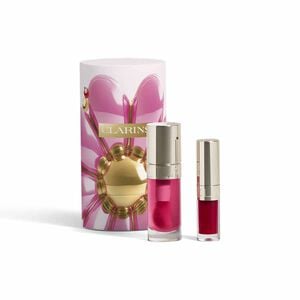

Comforting Lip Care
Comforting lip care brings together nourishing textures and moisture-supporting ingredients to help dry lips feel softer, smoother and more supple. The appeal is both practical and sensory: a balm that cushions without feeling heavy, an oil that glides across a rough patch, or a rich treatment that leaves tight-feeling lips more comfortable. Unlike a facial cream, a lip treatment is designed for the small, delicate area of the lips, with a texture and applicator suited to precise placement. Balms, oils and richer creams offer different ways to achieve that cared-for feeling, so the right choice depends as much on personal preference as on how dry the lips feel. A firm balm can offer a neat, controlled application with a discreet finish, while a softer balm may create a more substantial, cocooning layer. Clear lip oils tend to have a fluid glide and a sheen that catches the light; lip creams can appeal to those who prefer a smooth, enveloping texture without a particularly glossy appearance. These categories can overlap, making the description of the finish just as useful as the name on the packaging. For someone whose lips feel tight when smiling, a cushioned, flexible texture may be especially appealing. For someone who dislikes the sensation of product on their lips, a lighter layer with less slip may feel more comfortable. Richness does not have to mean stickiness, and shine does not reveal how moisturising a formula will feel. A pleasing lip treatment should spread without excessive dragging and sit comfortably rather than gather heavily at the edges of the mouth. This collection centres on that balance of softness, nourishment and ease of wear, with lip care suited to a discreet, groomed appearance as well as a more pampering beauty ritual. The emphasis is on helping lips feel comfortable in their own right, rather than simply changing how they look.
Ingredients help explain the differences between comforting lip care textures. Shea butter is an emollient, valued for the softness and richness it can bring to a balm. Oils such as jojoba help lubricate the lip surface, giving a formula its smooth glide and helping rough-feeling areas feel more supple. Waxes contribute structure to a stick or balm and can help form a protective layer that limits moisture loss. Humectants, including glycerin and panthenol, help attract and retain moisture; panthenol is also used in formulas intended to support skin comfort. These ingredients perform complementary roles, which is why a balanced blend can be more useful than choosing by a single highlighted ingredient alone. A buttery balm may combine oils for spreadability with waxes for a more substantial feel, while a cream-textured treatment may bring together moisture-binding ingredients and emollients. The finished formula matters, including how easily it distributes and whether the sensation suits the wearer. Someone with very dry-feeling lips may appreciate a richer coating, whereas someone seeking a little softness without weight may prefer a finer texture. Fragrance and flavour are also personal considerations. A delicately scented balm can make application feel indulgent, but a fragrance-free option may be preferable for lips that are easily unsettled by fragranced products. Fragrance-free does not mean that a product is suitable for every sensitivity, so the full ingredient list remains important for anyone with a known allergy. Strong tingling is not a necessary sign that a moisturising lip treatment is working; for a comfort-led choice, a gentle, agreeable feel is more relevant. Smooth application also matters when the lip surface feels uneven. A formula that slips across the lips without vigorous rubbing offers a different experience from one that feels stiff or gritty. Visible shine, a buttery consistency and a delicate scent can all add pleasure, but none is essential to softness. Comforting lip care is ultimately about finding a combination of ingredients, texture and finish that feels right on the lips.
Packaging and application style can be just as influential as the formula itself. A twist-up stick offers direct placement and a compact shape that fits neatly into a handbag or wash bag. A squeeze tube allows control over the amount dispensed and may suit someone who prefers a soft balm without dipping a fingertip into a pot. A wand applicator can distribute a fluid texture precisely, while a pot gives access to a richer balm and allows the amount to be adjusted easily. A secure cap, a comfortable grip and a shape that is easy to handle are useful details, particularly for a lip treatment carried alongside other beauty essentials. Robust packaging helps protect the contents from knocks, although care requirements vary: the storage directions on the pack are the appropriate reference, especially for softer textures that may respond to heat. Keeping the cap firmly closed and avoiding shared applicators also helps keep the product in good condition. For a desk-side beauty pouch, a discreet finish and an uncomplicated applicator may matter more than an elaborate presentation. For a dressing-table selection, a plush texture and a pleasing application experience may hold greater appeal. Those drawn to straightforward formats can also explore Everyday Lip Care for a related approach to lip comfort. As a beauty gift, lip care has the advantage of being personal without requiring a complexion shade match. An untinted balm can suit a recipient who enjoys understated beauty, while a richer treatment may appeal to someone who loves enveloping textures. Preferences around fragrance, finish and packaging are worth considering, rather than assuming that a stronger scent or glossier appearance feels more luxurious to everyone. Whether chosen for a handbag, a beauty pouch or a thoughtful present, a comforting lip treatment offers a small but tangible pleasure: a smooth glide, a softly cushioned finish and lips that feel less dry and more at ease.
Ingredients help explain the differences between comforting lip care textures. Shea butter is an emollient, valued for the softness and richness it can bring to a balm. Oils such as jojoba help lubricate the lip surface, giving a formula its smooth glide and helping rough-feeling areas feel more supple. Waxes contribute structure to a stick or balm and can help form a protective layer that limits moisture loss. Humectants, including glycerin and panthenol, help attract and retain moisture; panthenol is also used in formulas intended to support skin comfort. These ingredients perform complementary roles, which is why a balanced blend can be more useful than choosing by a single highlighted ingredient alone. A buttery balm may combine oils for spreadability with waxes for a more substantial feel, while a cream-textured treatment may bring together moisture-binding ingredients and emollients. The finished formula matters, including how easily it distributes and whether the sensation suits the wearer. Someone with very dry-feeling lips may appreciate a richer coating, whereas someone seeking a little softness without weight may prefer a finer texture. Fragrance and flavour are also personal considerations. A delicately scented balm can make application feel indulgent, but a fragrance-free option may be preferable for lips that are easily unsettled by fragranced products. Fragrance-free does not mean that a product is suitable for every sensitivity, so the full ingredient list remains important for anyone with a known allergy. Strong tingling is not a necessary sign that a moisturising lip treatment is working; for a comfort-led choice, a gentle, agreeable feel is more relevant. Smooth application also matters when the lip surface feels uneven. A formula that slips across the lips without vigorous rubbing offers a different experience from one that feels stiff or gritty. Visible shine, a buttery consistency and a delicate scent can all add pleasure, but none is essential to softness. Comforting lip care is ultimately about finding a combination of ingredients, texture and finish that feels right on the lips.
Packaging and application style can be just as influential as the formula itself. A twist-up stick offers direct placement and a compact shape that fits neatly into a handbag or wash bag. A squeeze tube allows control over the amount dispensed and may suit someone who prefers a soft balm without dipping a fingertip into a pot. A wand applicator can distribute a fluid texture precisely, while a pot gives access to a richer balm and allows the amount to be adjusted easily. A secure cap, a comfortable grip and a shape that is easy to handle are useful details, particularly for a lip treatment carried alongside other beauty essentials. Robust packaging helps protect the contents from knocks, although care requirements vary: the storage directions on the pack are the appropriate reference, especially for softer textures that may respond to heat. Keeping the cap firmly closed and avoiding shared applicators also helps keep the product in good condition. For a desk-side beauty pouch, a discreet finish and an uncomplicated applicator may matter more than an elaborate presentation. For a dressing-table selection, a plush texture and a pleasing application experience may hold greater appeal. Those drawn to straightforward formats can also explore Everyday Lip Care for a related approach to lip comfort. As a beauty gift, lip care has the advantage of being personal without requiring a complexion shade match. An untinted balm can suit a recipient who enjoys understated beauty, while a richer treatment may appeal to someone who loves enveloping textures. Preferences around fragrance, finish and packaging are worth considering, rather than assuming that a stronger scent or glossier appearance feels more luxurious to everyone. Whether chosen for a handbag, a beauty pouch or a thoughtful present, a comforting lip treatment offers a small but tangible pleasure: a smooth glide, a softly cushioned finish and lips that feel less dry and more at ease.

