
Body Care Essentials
Taking care of your body is essential for maintaining overall health and well-being. There are several key products that can help you keep your skin, hair, and nails looking and feeling their best.
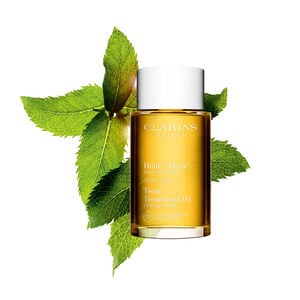


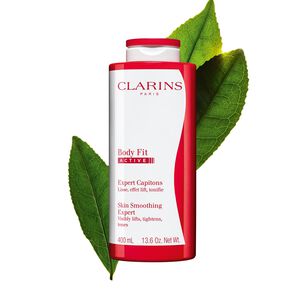


Body Care Essentials
Body care essentials bring together the foundations of a comfortable, well-balanced body care routine: body wash, exfoliator, moisturiser and targeted care for areas such as hands, elbows and feet. Each category has a different purpose, from lifting away surface impurities to smoothing rough-feeling patches and helping skin retain moisture. The right combination depends on how skin feels, which textures appeal and where extra attention is needed. Skin that feels tight or looks flaky may suit a rich body cream or balm, while a lightweight lotion can appeal to anyone who prefers a fluid texture with a less noticeable finish. Body oils offer a different sensory experience, giving slip for massage and leaving skin with a supple feel and soft sheen. Texture matters as much as richness: a cushioning cream, silky milk and velvety oil can all feel quite different against the skin, even when they share a moisturising purpose. Ingredients provide another useful point of comparison. Glycerine and hyaluronic acid help attract moisture, while ingredients such as shea butter and plant oils can help soften skin and support its moisture barrier. Their presence does not tell the whole story, however, as the complete formula determines how a product spreads, absorbs and feels. For skin prone to sensitivity, a simple selection with clearly labelled suitability can be more appealing than an elaborate assortment. Fragrance preferences also deserve attention. A delicately scented lotion can make body care feel indulgent, whereas a fragrance-free option may suit someone who prefers to keep scent separate from moisturising. Skin does not necessarily feel the same across the whole body, either. A light lotion might feel sufficient across the arms, while knees and heels call for a more substantial texture. Choosing body care essentials around these differences creates a considered collection without making every step feel complicated.
Body washes and shower gels should leave skin feeling comfortable rather than tight, with textures ranging from light gels to creamy washes and smooth oils that emulsify with water. A generous lather is a sensory preference, not a reliable measure of how thoroughly a wash performs. The feel of the skin matters more than the amount of foam. Exfoliating body care serves a separate purpose, helping lift surface flakes and smooth uneven-feeling texture. A fine-grained scrub offers a tactile approach, while other exfoliating formulas use ingredients selected to loosen the bonds between surface skin cells. The appropriate choice depends on skin tolerance and the directions on the packaging; a rough patch is not a reason to press harder. Gentle movements are particularly important around areas that already feel delicate, and exfoliation is unsuitable for broken or irritated skin. Moisturisers bring softness and comfort to the routine. Spreading a lotion or cream over slightly damp skin can help it glide evenly, making it easier to cover the backs of the arms, shins and other areas that are easy to overlook. Use a pressure that feels comfortable, working the texture over the skin rather than pulling at it. A body oil can be smoothed over damp skin for a supple finish, with the quantity adjusted to avoid an excessively slippery feel. Richness need not mean a thick layer: the aim is an even, comfortable coating that suits the area being treated. Hands and feet have their own practical considerations. A hand cream with a smooth, non-sticky finish can feel more convenient around a keyboard or phone, while a richer texture may appeal for knuckles and cuticles that feel dry. Foot creams can help soften rough-feeling heels, though care is needed to avoid slippery soles. Follow the application directions for each formula, and choose products labelled for the area where they will be used rather than assuming every body texture is interchangeable.
A useful body care collection should also fit comfortably into its owner's habits and surroundings. A pump bottle can make a fluid lotion easier to dispense with one hand, while a tube offers controlled application for hands, feet or smaller areas. A pot gives access to a thicker cream, although fingers should be washed and dried before touching the contents. Secure closures and readable labels are practical details worth considering, particularly for anything carried in a gym bag or wash bag. Keep packaging closed and follow the storage directions so that the texture and contents are treated as intended. Scent can help bring a collection together, but it need not dominate it. Floral notes may feel soft and enveloping, citrus notes bright and crisp, and woody notes warm and rounded. These are personal associations rather than rules; a fragrance that feels comforting to one person may seem too pronounced to another. Pairing a scented body wash with a lightly scented or fragrance-free moisturiser can keep the overall effect understated. For gifting, body care essentials work particularly well when chosen around familiar preferences rather than assumptions about the recipient's skin. A mum who enjoys a rich cream, a friend who prefers an airy lotion, or a partner who likes an uncomplicated shower routine may each appreciate a different combination. Texture, fragrance and ease of use are more helpful starting points than packaging alone. For someone whose preferences are less familiar, clearly labelled formulas and a focused selection can make the gift feel thoughtful without being overly personal. Explore Nourishing Body Essentials for Self-Care for a complementary perspective on moisture, softness and comforting textures. Whether the intention is a streamlined selection for personal use or a considered beauty gift, the most useful body care essentials are those that suit the skin, feel pleasurable to apply and give each product a clear purpose.
