
Baggy Eye Cream
Baggy eyes, also known as under-eye bags, are a common concern for many individuals. These puffy areas under the eyes can be caused by a variety of factors, including genetics, age, lack of sleep, allergies, and fluid retention.


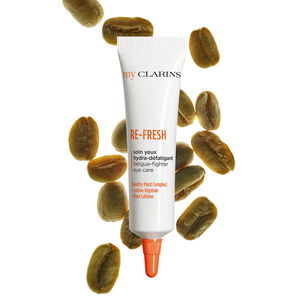
Baggy Eye Cream
Baggy eye cream is designed for the delicate skin around the eyes, where puffiness, dryness and a less smooth-looking texture can make the eye area appear tired. The right cream can help moisturise, soften and visibly refresh this area, while some formulas are created to give a smoother, firmer-looking finish. Eye bags can have several causes, including fluid build-up, dehydration, lack of sleep, allergies, facial structure and the natural movement of the eye area. Because of this, results can vary from person to person, and a cream cannot change the underlying shape of the eye socket or remove permanent fatty deposits. It can, however, support a comfortable skincare routine and make the skin look more supple and polished. When choosing a baggy eye cream, consider the texture as well as the ingredients. A lightweight gel-cream can feel cooling and fresh, particularly if the area tends to feel puffy, while a richer cream may suit under-eyes that feel tight, flaky or easily dehydrated. Caffeine is commonly included in eye care for its refreshing feel and its ability to help the eye area look less swollen. Hyaluronic acid attracts moisture to the skin, helping dry patches and fine lines appear softer and more cushioned. Peptides are often selected in formulas intended to support a firmer-looking appearance, while ceramides can help maintain the skin’s moisture barrier. Some creams also contain flexible smoothing polymers that form a light film over the skin, creating a temporarily tauter-looking finish as the formula settles. Sensitive eyes may benefit from a fragrance-free option with a short, uncomplicated ingredient list. Anyone prone to watering, stinging or irritation should introduce a new eye product carefully and stop using it if discomfort develops. A moisturising eye cream can be especially useful during cooler weather, when indoor heating and brisk air may leave the skin feeling drier, or when warmer conditions make the eye area appear more puffy.
Application technique matters because the skin around the eyes is thin and can be easily pulled. Begin with clean, dry skin and use only a small amount: a pea-sized quantity is generally enough for both eyes, depending on the richness of the formula. Place tiny dots beneath each eye, following the orbital bone from the inner corner towards the outer corner, and add a little to the brow bone if the product directions allow. Use the ring finger to pat the cream into place with light, steady touches rather than rubbing or dragging. Keep the product away from the lash line and avoid putting it directly into the eye. Gentle pressing helps spread the cream without creating unnecessary friction, while allowing the formula to absorb evenly beneath concealer or other skincare. If puffiness is the main concern, a light layer may feel more comfortable than a generous application; too much product can migrate towards the eyes and cause watering. If dryness is more noticeable, apply the cream after a hydrating serum or mist, provided those products are suitable for the eye area, then seal in comfort with the eye cream. Store the product as directed and use clean hands to prevent contamination. A cooling sensation can feel particularly pleasant after a warm day, while a nourishing texture may bring comfort when the skin feels rough during the cooler months. Eye creams are also easy to include in a simple personal-care collection for a partner, friend or family member who enjoys skincare, especially when presented with a cleanser and face moisturiser. For gifting, look for a versatile texture and gentle finish rather than choosing a formula based solely on a bold claim, since preferences around fragrance, richness and sensitivity differ. Those who wear makeup may appreciate an eye cream that leaves the skin smooth without excess slip, helping concealer sit more evenly; for a skincare-only routine, a cream focused on hydration and comfort may be enough. Explore related options in Eye Smoothing Creams to compare textures and features alongside baggy eye care.
When deciding which formula belongs in your routine, start by identifying how the eye area feels and looks in the mirror rather than focusing on one concern in isolation. Puffiness that appears after salty food, seasonal allergies or a disrupted routine may call for a light, refreshing cream with ingredients such as caffeine, while a crepey or tight-looking surface may feel more comfortable with humectants, emollients and barrier-supporting ingredients. If the area looks dull or makeup gathers in fine lines, hydration can improve the way the skin reflects light and create a smoother-looking base. If loose-looking skin is your primary concern, a peptide-based cream or a formula containing smoothing polymers may offer a more refined appearance, although consistency and realistic expectations are important. Eye cream works alongside, rather than instead of, everyday habits such as removing makeup gently, protecting the face from sunlight and avoiding vigorous rubbing when cleansing. Keep expectations personal: some people notice an immediately fresher finish from a cooling gel or smoothing film, while moisturising and firming-focused formulas are intended to support the look of the eye area through regular use. Avoid applying more in the hope of enhancing results, as the delicate skin can become overloaded and feel uncomfortable. Patch testing is sensible for reactive skin, and contact lens wearers should take extra care to keep cream away from the eyes. With the right texture, a small amount and a gentle patting motion, baggy eye cream can become a reassuring part of a morning or evening skincare ritual, bringing a soft, hydrated appearance to the area that often shows signs of tiredness first.

