
Eye Smoothing Creams
Eye smoothing creams have become increasingly popular in the skincare industry as more and more people are looking for effective solutions to reduce the appearance of fine lines, wrinkles, and puffiness around the delicate eye area. These creams are specially formulated with ingredients that target specific concerns such as crow's feet, dark circles, and sagging skin.

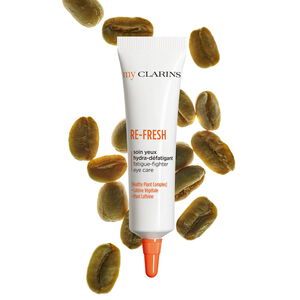


Eye Smoothing Creams
Eye smoothing creams are designed for the delicate skin surrounding the eyes, where dryness, tired-looking puffiness and fine lines can appear more noticeable. This area is naturally thinner and more delicate than much of the face, so it can benefit from a dedicated moisturiser with a lighter texture and carefully selected ingredients. A well-chosen eye cream can help the contour feel softer, smoother and more comfortable, while adding moisture to skin that may feel tight after cleansing. Some formulas focus on replenishing hydration with ingredients such as hyaluronic acid, glycerine, squalane and nourishing botanical extracts. These can help create a supple, cushioned feel and temporarily soften the look of dehydration lines. Others include peptides, which are valued in skincare for supporting the appearance of firmness and elasticity, or caffeine, often chosen to help the eye area look fresher and less puffy. For skin that appears crepey or feels fragile, a richer cream may provide welcome comfort, while a gel-cream can be appealing if you prefer a cool, weightless finish. Texture is a personal choice: a silky lotion can sit neatly beneath other skincare, whereas a more emollient cream may be especially comforting when the contour feels dry. Those who enjoy a simple routine may choose one versatile eye cream for daily use, while skincare enthusiasts may look for a targeted product containing a particular ingredient. Browsing Delicate Eye Area Creams can also help when comparing textures and benefits for sensitive-looking or easily dehydrated skin around the eyes.
When applying an eye smoothing cream, use a small amount and treat the area with a gentle touch. A rice-grain-sized quantity is generally enough for both eyes, although the recommended amount can vary according to the product. Warm the cream lightly between your fingertips, then tap it along the orbital bone, beginning near the inner corner and moving outwards towards the temples. This method helps distribute the formula without dragging the skin. Avoid applying product directly into the eyes or too close to the lash line, as movement and warmth can cause it to migrate. There is no need to massage vigorously; light pressing with the ring finger is usually sufficient, particularly if the contour feels delicate. Eye cream can be applied after cleansing and facial serum, before any face moisturiser, following the directions provided with the individual product. If a formula contains retinol or retinal, introduce it gradually and use it according to the stated guidance, as these ingredients may feel active on sensitive skin. A nourishing eye cream without retinoids may be more suitable if your preference is immediate comfort or if your eye area is prone to dryness. Whichever type you choose, consistency matters more than using a generous amount. Give the product time to settle before applying any other skincare, and use high-protection sunscreen during the day around the eye area, taking care to avoid direct contact with the eyes. Sunglasses can also make the area feel more comfortable in bright conditions, helping reduce the instinct to squint. If you experience persistent irritation, watering or discomfort, stop using the product and seek advice from a qualified skincare professional or healthcare practitioner.
Eye smoothing creams can suit anyone who wants to give the eye contour more focused care, whether the concern is a tight feeling after cleansing, visible dehydration lines, morning puffiness or a loss of softness. They can be useful for people who spend long periods looking at screens, travel frequently, wear contact lenses or find that the delicate area needs extra moisture compared with the rest of the face. They may also make a thoughtful gift for someone who enjoys a considered skincare ritual, particularly when paired with other gentle facial care. To choose confidently, consider the finish you enjoy, the ingredients your skin already tolerates and the concerns you would like to address. Hydrating ingredients are a sensible choice when the contour feels dry or looks temporarily creased. Peptides may appeal if your focus is a smoother, firmer-looking appearance without the intensity associated with retinoids. Caffeine can be helpful for an eye area that often looks puffy, while a richer moisturising base may be preferable for skin that feels delicate or tight. Fragrance-free options can be worth considering when the eye area is especially reactive, and anyone with known sensitivities should check the full ingredient list before use. Patch testing can provide added reassurance, although it should not replace professional advice for an existing skin condition. Keep expectations realistic: an eye cream can improve the look and feel of the skin through hydration and ongoing care, but no topical product changes the structure of the eye contour overnight. With a small, consistent application and a formula suited to your preferences, eye smoothing creams can become a comforting part of a facial skincare routine, leaving the area feeling moisturised, refreshed and beautifully cared for.
When applying an eye smoothing cream, use a small amount and treat the area with a gentle touch. A rice-grain-sized quantity is generally enough for both eyes, although the recommended amount can vary according to the product. Warm the cream lightly between your fingertips, then tap it along the orbital bone, beginning near the inner corner and moving outwards towards the temples. This method helps distribute the formula without dragging the skin. Avoid applying product directly into the eyes or too close to the lash line, as movement and warmth can cause it to migrate. There is no need to massage vigorously; light pressing with the ring finger is usually sufficient, particularly if the contour feels delicate. Eye cream can be applied after cleansing and facial serum, before any face moisturiser, following the directions provided with the individual product. If a formula contains retinol or retinal, introduce it gradually and use it according to the stated guidance, as these ingredients may feel active on sensitive skin. A nourishing eye cream without retinoids may be more suitable if your preference is immediate comfort or if your eye area is prone to dryness. Whichever type you choose, consistency matters more than using a generous amount. Give the product time to settle before applying any other skincare, and use high-protection sunscreen during the day around the eye area, taking care to avoid direct contact with the eyes. Sunglasses can also make the area feel more comfortable in bright conditions, helping reduce the instinct to squint. If you experience persistent irritation, watering or discomfort, stop using the product and seek advice from a qualified skincare professional or healthcare practitioner.
Eye smoothing creams can suit anyone who wants to give the eye contour more focused care, whether the concern is a tight feeling after cleansing, visible dehydration lines, morning puffiness or a loss of softness. They can be useful for people who spend long periods looking at screens, travel frequently, wear contact lenses or find that the delicate area needs extra moisture compared with the rest of the face. They may also make a thoughtful gift for someone who enjoys a considered skincare ritual, particularly when paired with other gentle facial care. To choose confidently, consider the finish you enjoy, the ingredients your skin already tolerates and the concerns you would like to address. Hydrating ingredients are a sensible choice when the contour feels dry or looks temporarily creased. Peptides may appeal if your focus is a smoother, firmer-looking appearance without the intensity associated with retinoids. Caffeine can be helpful for an eye area that often looks puffy, while a richer moisturising base may be preferable for skin that feels delicate or tight. Fragrance-free options can be worth considering when the eye area is especially reactive, and anyone with known sensitivities should check the full ingredient list before use. Patch testing can provide added reassurance, although it should not replace professional advice for an existing skin condition. Keep expectations realistic: an eye cream can improve the look and feel of the skin through hydration and ongoing care, but no topical product changes the structure of the eye contour overnight. With a small, consistent application and a formula suited to your preferences, eye smoothing creams can become a comforting part of a facial skincare routine, leaving the area feeling moisturised, refreshed and beautifully cared for.

