
Anti Ageing Skin Treatments
As we age, our skin undergoes various changes that can result in wrinkles, fine lines, and a loss of elasticity. Fortunately, there are a variety of anti-ageing skin treatments available to help combat these signs of ageing.


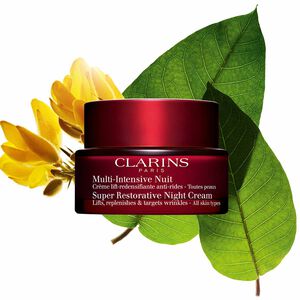


Anti Ageing Skin Treatments
Anti-ageing skin treatments bring together moisturising, smoothing and firming care for a complexion that looks supple and feels comfortable. Fine lines, uneven texture and a less defined appearance can sit alongside dryness, sensitivity or excess shine, so the right choice is not simply the richest cream. It is a formula that suits both the concern and the way skin feels. Serums offer concentrated care in fluid textures, while moisturisers provide anything from a barely perceptible veil to a cushiony finish. Facial oils add slip and softness, and masks offer a more enveloping treatment for skin that feels tight or looks lacklustre. These different formats allow a skincare routine to feel personal rather than prescribed. Someone whose cheeks feel taut but whose forehead looks shiny may prefer a light emulsion with a comfortable finish; someone with dry skin may enjoy the cocooning feel of a cream that spreads easily without dragging. Texture also shapes the experience of application. A silky fluid can feel effortless across the face, while a richer balm invites a gentle, measured touch around areas that need extra comfort. Neither texture is inherently more effective: suitability depends on the formula, its intended use and individual preferences. Hydration is particularly relevant where fine lines appear more noticeable across dry areas, helping the surface look smoother and feel more flexible. Firming care, meanwhile, is concerned with the appearance of suppleness and definition, rather than changing facial structure. A balanced selection can address these concerns without making the routine feel crowded. The most appealing treatment is often one that combines a finish skin enjoys with a clear purpose, whether that is replenishing moisture, softening the look of fine lines or lending a fresher appearance to a tired-looking complexion. The feel on the fingertips matters, too: a cream that glides rather than pulls makes application more pleasant, particularly across delicate or easily unsettled skin.
Ingredients help distinguish treatments that might otherwise look similar in the jar. Hyaluronic acid and glycerine are commonly included for their ability to attract moisture, making them relevant to skin that feels dehydrated without necessarily feeling dry. Ceramides feature in formulas designed to support the skin’s moisture barrier, while emollients help soften rough-feeling areas and lend a smoother touch. Peptides are often associated with firming skincare, although the finished formula and its stated benefits are more useful points of comparison than a single ingredient alone. Facial oils can complement a preference for richer textures, but an oily finish is not a requirement for comfortable, well-moisturised skin. Equally, a lightweight serum need not feel insubstantial: some spread like water yet leave the complexion feeling cushioned rather than coated. For combination skin, that distinction can make the difference between a pleasing finish and an unwanted sheen around the nose or chin. Fragrance is another personal consideration. Some people enjoy a softly scented treatment as part of the sensory experience, while others prefer fragrance-free care, particularly if their skin is easily unsettled. No texture or ingredient list guarantees suitability for everyone, so attention to the label and a small patch test are sensible considerations when choosing an unfamiliar formula. Treatment should feel comfortable, not sharply tingling or persistently tight. Application guidance also matters, especially for concentrated formulas and treatments intended for a particular area. A small amount spread evenly can be more pleasant than a heavy layer, and vigorous rubbing is unnecessary. Product care is straightforward but worthwhile: securely closed lids, hygienic handling and storage that follows the packaging instructions help keep the contents protected. A pump, tube or jar may suit different preferences, particularly where controlled dispensing or easy access to a richer texture matters. Packaging is part of the practical experience, but it should sit alongside the formula’s suitability rather than replace it as a reason to choose.
Different areas of the face and body can call for a different balance of texture, richness and finish. The eye contour often suits a formula specifically intended for that delicate area, with enough glide to spread using a light touch and a finish that does not feel heavy. Across the cheeks, a more enveloping moisturiser may feel welcome, while the neck and décolletage can benefit from the same thoughtful attention given to the face, provided the treatment is suitable for those areas. There is no need for every step to have an identical texture: a fluid serum and a supple cream can create a very different sensation from a facial oil paired with a lightweight lotion. The aim is a coherent selection in which each formula has a purpose, rather than several treatments making the same promise. For care beyond the face, Body Firming Treatments for Ageing Skin brings attention to body-focused textures and the appearance of skin firmness. A body cream has a different application experience from a facial serum, with spreadability and a comfortable finish especially relevant across larger areas. Preferences matter just as much when choosing skincare as a gift. Someone who enjoys velvety creams may appreciate a sumptuous moisturising treatment, whereas a person who dislikes any sense of residue may prefer a lighter texture. Familiarity with the recipient’s skin sensitivities and fragrance preferences is more useful than assumptions about what their complexion needs. A considered skincare gift feels personal because it reflects those preferences, not because it assigns a concern. Whether selected for personal use or given as a thoughtful gesture, smoothing and firming treatments are most appealing when their purpose is clear, their texture feels right and their care instructions fit comfortably into an uncomplicated routine. The result is skincare chosen for how it feels and what it is designed to do.
