
Women's Firming Products
As women age, they may notice changes in their skin such as loss of elasticity and firmness. This can be caused by a variety of factors including genetics, sun exposure, and hormonal changes. To combat these signs of aging, many women turn to firming products that claim to tighten and tone the skin.
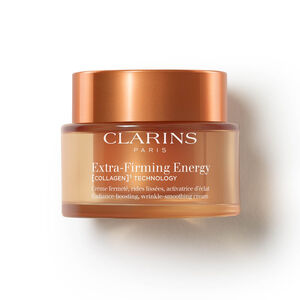


Women's Firming Products
Women’s firming products focus on skin that looks smoother and feels supple, combining targeted cosmetic care with the comfort of moisturisation. The category includes facial creams, concentrated serums, neck treatments and body lotions, with textures suited to different areas and preferences. Firmness, hydration and surface smoothness are closely connected in the way skin looks and feels: when skin lacks moisture, its texture can appear less even and feel less flexible. A well-chosen moisturising formula can help soften that dry, slightly crinkled appearance while giving the skin a more cushioned feel. Firming skincare is intended to enhance the appearance of the skin, rather than change the underlying shape of the face or body, so a realistic expectation is a complexion or body surface that looks more supple and feels more comfortable. For facial care, the right texture matters as much as the firming claim. A lightweight serum can suit someone who prefers a barely perceptible finish, while a cream with more slip and substance may appeal to those whose skin feels tight across the cheeks. Combination skin can benefit from a formula that spreads easily without leaving a heavy film across the forehead and nose. For dry skin, a richer consistency can make application feel more comfortable, particularly around areas where the surface feels rough or looks finely lined. The neck and décolleté also have distinct needs: a formula that glides without dragging can make these contours easier to cover evenly. Suitability should come from the product description and label, not simply from how rich or luxurious a texture appears. Women’s firming skincare can suit a wide range of preferences, whether the priority is facial definition, a smoother-looking neckline or softness across the body. There is no single texture that suits everyone, and a pleasing finish is an important part of finding a formula that feels at home within an existing skincare routine.
Ingredients help explain the differences between firming formulas, although the complete formulation is more informative than any single ingredient name. Humectants such as glycerin and hyaluronic acid attract moisture, helping skin feel plump and comfortable. Emollients, including selected oils and butters, soften the surface and give creams their distinctive glide, while other moisturising ingredients help limit moisture loss. Peptides may feature in formulas developed for firmer-looking skin, but their presence alone does not establish how a product will perform. The concentration, supporting ingredients and intended area of application all contribute to the finished formula. These details are especially relevant when comparing a delicate facial emulsion with a substantial body cream. Body firming products need enough spread to cover broader areas, such as the upper arms, abdomen, thighs and buttocks, without requiring excessive rubbing. A fluid lotion offers a light, easily distributed layer, whereas a velvety cream gives more cushioning to skin that feels dry or less supple. Gels can appeal to those who dislike a creamy residue, while oil-rich textures provide slip for gentle massage. The finish against clothing is another practical consideration: some people prefer a barely noticeable layer beneath fitted trousers or sleeves, while others enjoy a richer, satin-like feel. Massage can make application more pleasurable and help distribute a formula evenly, but it should not be confused with reshaping tissue or changing body size. Firming body care is about the appearance and feel of the skin itself. Fragrance is equally personal. A softly scented cream can add a sensory element to body care, while a fragrance-free option may be preferable for someone who dislikes scent or has skin that reacts to fragranced formulas. Claims such as suitability for sensitive skin should be checked on the individual label, since neither a light texture nor a short ingredient list guarantees compatibility. The most useful choice balances the desired skin finish with comfort, ease of application and the needs of the area being treated.
Practical details can make firming skincare feel much more considered. A pump can help dispense a measured amount of fluid lotion without coating the outside of the bottle, while a tube offers controlled application for creams with a thicker consistency. A jar provides easy access to a substantial texture, though careful handling and a securely replaced lid remain important. Packaging should make the formula straightforward to use, not simply look attractive on a dressing table. Following the label’s storage directions and keeping the container properly closed help protect the contents and preserve the intended texture. Application quantities also deserve attention: a generous coating is not necessarily more effective, and excess product can leave a tacky surface or gather where skin folds. Enough slip to spread a thin, even layer is usually more comfortable than repeated rubbing, particularly across the neck or inner arms. Products intended for the face, body or eye area are not automatically interchangeable, so the stated application area remains the clearest point of reference. Skin with broken patches or irritation needs particular care, and firming treatments should only be used where their directions permit. For a broader view of textures and treatment areas, Skin Firming Products brings the category together around the shared aim of smoother, more supple-looking skin. A cohesive skincare selection does not need every format: a facial cream and a body lotion serve different purposes, while a serum offers another option for those who enjoy a layered approach. Firming skincare can also make a thoughtful gift when it reflects a recipient’s expressed preferences, such as a love of rich body creams or lightweight facial textures. The emphasis is on pleasure, comfort and personal choice, rather than suggesting that someone’s appearance needs correcting. From a silky lotion spread across the shoulders to a cushioning cream smoothed over the cheeks, the appeal lies in care that feels good on the skin and complements the way someone already likes to look after it.
