
Skincare For Young Women
Skincare is an essential part of every woman's daily routine, regardless of age. However, for young women in their teens and twenties, establishing a good skincare regimen is particularly important. During this time, hormonal changes can lead to an increase in oil production, acne breakouts, and skin sensitivity. To maintain healthy and radiant skin, it is crucial for young women to adopt a skincare routine that addresses these specific concerns.
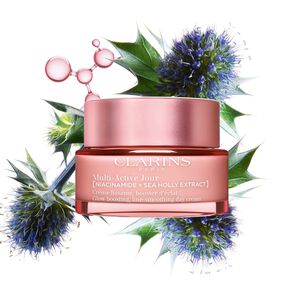


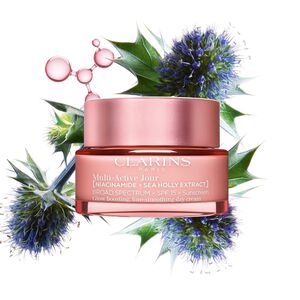


Skincare For Young Women
Skincare for young women can be as simple as three steps: a gentle facial cleanser, a fragrance-free moisturiser and a broad-spectrum sunscreen with SPF 30 or higher. The cleanser lifts away excess oil and residue, the moisturiser helps keep skin comfortable, and the sunscreen helps protect against ultraviolet rays. That combination suits someone putting together a first skincare routine as well as someone who prefers to keep the bathroom shelf uncluttered. The choice of textures is often more useful than a rigid definition of skin type. A shiny forehead can sit alongside cheeks that feel tight, and skin prone to blemishes needn’t be washed until it feels squeaky. A light gel that works into a soft lather can be pleasant on oilier areas, while a milky face wash may feel more comfortable on skin that tends to feel dry. The amount of foam isn’t a reliable measure of how well a formula removes residue. A gentle face wash should rinse away without leaving the sides of the nose feeling tight or the cheeks feeling as though they need moisturiser straight away. For skin with a film of water-resistant sunscreen, a balm that emulsifies with water can be a useful option: it starts with enough slip to spread without much rubbing, then turns milky to help it rinse away. Someone who dislikes the richer feel of a balm may prefer a lotion or gel formulated to remove sunscreen. The distinction is practical rather than complicated: a face wash needs to remove what’s on the skin without making it feel uncomfortable. A scrub, toner or serum can be a matter of preference rather than a requirement for a complete routine.
A fragrance-free moisturiser is a useful starting point, especially for someone who finds scented facial formulas uncomfortable. The words ‘fragrance-free’ describe the formula rather than promising that it will suit every face, so the texture and finish still matter. A light lotion can leave the forehead feeling less coated, while a soft cream may be a better fit for cheeks that feel tight or rough around the edges. Combination skin doesn’t have to mean buying a different moisturiser for every part of the face. One that spreads easily can be applied lightly across the bridge of the nose and forehead, with a little more on the outer cheeks if those areas feel dry. The ingredient list can help explain how a formula feels: glycerin is a humectant that helps skin hold on to water, while emollients help soften the feel of rough patches. Neither a thick texture nor a glossy finish is proof that a moisturiser will feel more comfortable. A cream may feel pleasantly soft on the cheeks but heavier than someone would like along the hairline, whereas a fluid can be easier to spread in a thin layer. The way a moisturiser sits beneath sunscreen is worth considering, too. A formula can feel lovely on its own yet gather into little rolls around the jaw when another layer goes on top. Textures that sit smoothly together make a simple routine easier to use without giving up the finish that feels right on the skin. For those drawn to a fresh, luminous look, Youthful Glow Skincare for Women is a related selection centred on that finish. A softly luminous look doesn’t have to mean a glossy film across the whole face; it can be as subtle as a slight sheen across the cheeks and a finish that still feels comfortable around the nose.
Broad-spectrum sunscreen covers both UVA and UVB rays, and SPF 30 or higher is a useful baseline for facial skincare. The SPF number alone doesn’t tell the whole story about UVA protection, so look for broad-spectrum coverage as well as the SPF. Sunscreen goes on as the final skincare layer, with an even application across exposed areas in line with the directions on the pack. A formula that spreads readily can make it easier to cover missed areas such as the hairline, the ears and the edge of the jaw. The finish is worth considering beyond how the formula looks in the tube: a lotion that appears sheer on one complexion can leave a visible cast on another, particularly on deeper skin tones. Some people prefer a fluid that feels light across the forehead, while others like a cream that feels more comfortable over dry areas. Water resistance can be useful if the sunscreen is intended for swimming, but the directions on application and reapplication still matter. Packaging is another practical consideration. A cap that shuts securely makes sense for a tube carried in a gym bag, and a pump can dispense moisturiser without the need to dip fingers into a jar. Closing lids firmly and following the storage directions helps keep formulas in good condition. Skincare can also make a thoughtful gift for a friend or sister who has mentioned enjoying a particular kind of texture, such as a lotion that doesn’t feel sticky or a face wash with a soft lather. Choosing around a preference she’s expressed feels more personal than guessing what she’d like to change about her skin. Whether chosen as a gift or for personal use, a few formulas that rinse, spread and layer comfortably can make more sense than a shelf full of products that do much the same job.
