
Serums For Normal To Dry Skin
Serums for normal to dry skin offer a luxurious addition to any beauty routine, delivering targeted care with lightweight, easily absorbed formulas. Specially crafted for those seeking comfort and a radiant-looking complexion, these serums help leave skin feeling soft and beautifully nourished. Discover the perfect solution to support your skin’s natural glow and enjoy a smoother, more supple appearance every day.


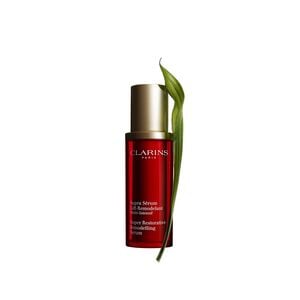

Serums For Normal To Dry Skin
Serums for normal to dry skin bring targeted hydration and a comfortable, supple feel to complexions that can look balanced across some areas yet feel tight or rough across others. A suitable serum should complement the skin’s needs without leaving an unwelcome sticky or heavy finish. Normal skin generally feels neither particularly oily nor particularly dry, while dry skin can lack the lipids that help keep its surface soft and support its protective barrier. Dehydration refers to a lack of water and can affect either skin type, so a serum that combines moisture-attracting ingredients with softening ingredients can be a useful choice. Hyaluronic acid and glycerin are humectants: they attract and retain water, helping the surface of the skin feel hydrated and look plumper. Their role is different from that of emollients such as squalane, which help soften rough-feeling areas and give the complexion a smoother touch. Ceramides are lipids found in the skin’s barrier, and formulas containing them can help support that barrier and limit moisture loss. Panthenol, also known as provitamin B5, is another ingredient worth considering for its moisturising properties and contribution to a comfortable skin feel. These ingredients are not interchangeable, nor does every serum need to contain all of them. The balance of the complete formula matters more than the presence of a single celebrated ingredient. For cheeks that feel taut despite an otherwise comfortable complexion, a fluid hydrating serum may offer the right level of care. For skin that feels dry across a broader area, a more cushioning serum with emollients may be a better match. The appeal of this category lies in that flexibility: concentrated facial care with textures that range from light and silky to milky and enveloping. The aim is skin that feels comfortable and soft, with a smooth-looking surface and a fresh, luminous appearance rather than a greasy sheen.
Texture is an important part of choosing a serum for normal to dry skin, especially for anyone who enjoys nourishment but dislikes the feeling of a rich layer sitting on the face. A water-based gel can spread easily across the cheeks and forehead, offering a light touch that sits comfortably beneath a moisturiser. A milky emulsion combines a fluid consistency with a more cushioned feel, making it appealing for skin that needs both hydration and softness. Oil-containing or dual-phase textures may suit those who prefer a silkier finish, although the suitability of any formula depends on its full composition rather than its appearance in the bottle. A transparent serum is not necessarily lighter in use, and a creamy-looking serum need not feel heavy. Absorption, slip and the feel left on the skin are all useful points of comparison. Picture the difference between cheeks that feel papery to the touch and cheeks that feel smooth without a noticeable coating: the preferred texture is the one that brings comfort while fitting neatly with the rest of a skincare routine. Hydrating serums are particularly relevant where tightness is the main concern, while formulas with additional emollients can appeal where roughness and a lack of suppleness are more noticeable. A dull-looking complexion may also benefit from hydration, which can help the skin’s surface appear smoother and reflect light more evenly. Strong exfoliation is not a requirement for radiance, particularly if skin already feels delicate or uncomfortable. Normal to dry skin can also be sensitive, but dryness and sensitivity are not the same thing. For anyone who reacts to fragranced skincare, a fragrance-free option may be preferable; the ingredient list remains important even where a formula is described as gentle. Botanical extracts can contribute to a formula’s appeal, but their presence alone does not establish suitability for sensitive skin. The most helpful choice is one that addresses a clear need, feels pleasant to apply and works with the individual complexion.
A facial serum is usually designed to complement a moisturiser rather than replace it. The serum provides a targeted layer of care, while the moisturiser contributes a more substantial layer of comfort and helps retain moisture. For normal to dry skin, this pairing offers room to adjust the richness of each layer: a light serum can sit beneath a cushioning cream, while a more emollient serum may feel comfortable with a less substantial moisturiser. Application directions vary between formulas, so the amount and method stated on the packaging should take priority. A small quantity spread gently across the face is generally more comfortable than an excessive layer, which can leave a tacky feel or cause other skincare to roll into little flakes. There is no need for vigorous rubbing; a texture with good slip should move across the skin without pulling at delicate areas. Some hydrating formulas are suitable for slightly damp skin, but this is not a universal rule, particularly for serums containing ingredients with specific application requirements. Facial serums should also be kept away from the immediate eye area unless labelled for that use. Packaging deserves consideration alongside texture: a pump can make dispensing straightforward, while a pipette allows controlled application without needing to touch the glass dropper to the face. Keeping the closure secure and following the storage instructions helps protect the formula’s quality. For someone choosing skincare as a gift, a hydrating serum can be a thoughtful option when the recipient’s skin type, texture preferences and ingredient sensitivities are known. A silky fluid may appeal to someone who favours barely noticeable layers, whereas a milky texture may suit someone who enjoys a more cocooning feel. If softness is the main priority, Serums For Soft Skin offers a related selection to explore. Across these preferences, the defining qualities of a well-matched serum remain straightforward: hydration that addresses tightness, a finish that feels comfortable, and a texture that leaves normal to dry skin feeling supple rather than overloaded.
