
Serum Foundation For Dry Skin
Achieve a radiant, dewy finish with serum foundation designed for dry skin. Blending the lightweight texture and coverage you love with added hydration, these formulas help create a smooth, comfortable complexion throughout the day. Discover options that glide effortlessly onto the skin, offering a natural look while helping to maintain moisture. Perfect for those seeking a fresh, luminous appearance without compromise.


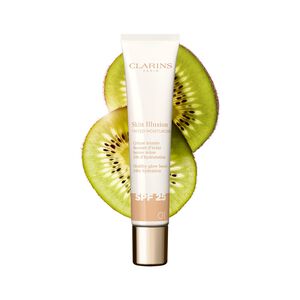

Serum Foundation for Dry Skin
Serum foundation for dry skin brings together the fluid feel of a complexion tint with the smoothing, comfortable finish many people look for in foundation. Its lightweight texture can glide across the face without feeling heavy, while moisturising ingredients such as hyaluronic acid, botanical oils and nourishing complexes help the complexion feel supple as makeup is worn. Coverage varies from sheer and skin-like to buildable medium coverage, making this category suitable for several preferences: a soft veil for everyday makeup, a more polished base for work or occasions, or carefully layered coverage where extra evening-out is desired. Finishes often lean towards natural, radiant or dewy rather than flat and powdery, allowing the complexion to retain a fresh-looking quality. Those with dry skin may appreciate a foundation that does not draw attention to flaky texture or leave the face feeling tight, particularly when the weather becomes cooler and indoor heating can make skin feel less comfortable. A serum foundation can also appeal to anyone who prefers breathable makeup, a luminous complexion or a modern base that looks more like real skin than a visibly made-up layer. The word “serum” refers to the fluid, often conditioning character of the formula, but it remains makeup designed to even the appearance of the complexion. For additional choices across textures and finishes, explore Makeup Foundation for Dry Skin.
Choosing a serum foundation starts with the finish and coverage that feel most natural to you. A sheer formula can soften the look of uneven tone while allowing freckles and natural features to remain visible; a buildable option gives greater flexibility, with a light layer across the face and a little more product around the nose, chin or cheeks where extra coverage may be preferred. For dry skin, a radiant or natural finish is often more comfortable visually than an intensely matte texture, as it can help the complexion look fresh rather than flat. Texture matters too. Look for a fluid foundation that spreads easily and does not set too quickly, particularly if you like to work with your fingertips and press the product into the skin in small sections. A formula containing hyaluronic acid can give a cushiony, moisturised feel, while botanical oils may add slip and help the foundation melt into the complexion. These details are useful when comparing products, but personal preference remains important: some people enjoy a weightless serum-like finish, while others prefer a richer feel with more visible coverage. Shade selection deserves equal care. Compare shades along the jawline rather than the hand, then check the colour in natural light so the transition between face and neck looks seamless. Consider undertone as well as depth; foundations with warm, cool or neutral undertones can sit very differently on the complexion even when the shade appears similar in the bottle. If you are between shades, a flexible, sheer-to-medium formula can be easier to wear, as its coverage may be adjusted without creating a pronounced edge. Packaging can also be practical: a pump or controlled dropper helps dispense a small amount, which is useful when building coverage gradually and keeping the finish delicate.
Application is most successful when the base is treated gently. Begin with a clean, comfortable face and allow any products already applied to settle before reaching for foundation; on dry skin, rubbing vigorously can disturb areas that feel rough, so pressing and smoothing are preferable. Shake a fluid formula if the instructions recommend it, place a small amount on the back of the hand, and dot it across the centre of the face. Use fingertips for the warmth of the hands and a softly blended finish, a damp sponge for a diffused veil, or a dense, flexible brush when you want more even coverage. Work outwards from the nose and cheeks, where product is often most useful, towards the hairline and jaw. Keep the layer fine around the corners of the nose, mouth and eyes, as excess foundation can gather in these expressive areas. If more coverage is needed, add a second light layer rather than applying a thick coat at once; this helps preserve the fluid, skin-like character associated with serum foundation. A touch of foundation can be pressed over areas that need balancing, while the rest of the face remains sheer. Avoid over-powdering a radiant finish, as too much powder can make dry texture appear more noticeable; if setting is preferred, use a small amount only where makeup tends to move, leaving the higher points of the face softly luminous. Serum foundation can make a thoughtful gift for someone who enjoys elegant, effortless makeup, especially when the shade is chosen with care or a flexible finish is selected. It suits a beauty bag built around refined, comfortable complexion makeup and works naturally with soft blush, subtle highlighter and defined brows. From the glow of warmer weather to the comforting layers of cooler months, serum foundation for dry skin offers adaptable coverage, a moisturised feel and a polished finish that can be tailored to the individual.
Choosing a serum foundation starts with the finish and coverage that feel most natural to you. A sheer formula can soften the look of uneven tone while allowing freckles and natural features to remain visible; a buildable option gives greater flexibility, with a light layer across the face and a little more product around the nose, chin or cheeks where extra coverage may be preferred. For dry skin, a radiant or natural finish is often more comfortable visually than an intensely matte texture, as it can help the complexion look fresh rather than flat. Texture matters too. Look for a fluid foundation that spreads easily and does not set too quickly, particularly if you like to work with your fingertips and press the product into the skin in small sections. A formula containing hyaluronic acid can give a cushiony, moisturised feel, while botanical oils may add slip and help the foundation melt into the complexion. These details are useful when comparing products, but personal preference remains important: some people enjoy a weightless serum-like finish, while others prefer a richer feel with more visible coverage. Shade selection deserves equal care. Compare shades along the jawline rather than the hand, then check the colour in natural light so the transition between face and neck looks seamless. Consider undertone as well as depth; foundations with warm, cool or neutral undertones can sit very differently on the complexion even when the shade appears similar in the bottle. If you are between shades, a flexible, sheer-to-medium formula can be easier to wear, as its coverage may be adjusted without creating a pronounced edge. Packaging can also be practical: a pump or controlled dropper helps dispense a small amount, which is useful when building coverage gradually and keeping the finish delicate.
Application is most successful when the base is treated gently. Begin with a clean, comfortable face and allow any products already applied to settle before reaching for foundation; on dry skin, rubbing vigorously can disturb areas that feel rough, so pressing and smoothing are preferable. Shake a fluid formula if the instructions recommend it, place a small amount on the back of the hand, and dot it across the centre of the face. Use fingertips for the warmth of the hands and a softly blended finish, a damp sponge for a diffused veil, or a dense, flexible brush when you want more even coverage. Work outwards from the nose and cheeks, where product is often most useful, towards the hairline and jaw. Keep the layer fine around the corners of the nose, mouth and eyes, as excess foundation can gather in these expressive areas. If more coverage is needed, add a second light layer rather than applying a thick coat at once; this helps preserve the fluid, skin-like character associated with serum foundation. A touch of foundation can be pressed over areas that need balancing, while the rest of the face remains sheer. Avoid over-powdering a radiant finish, as too much powder can make dry texture appear more noticeable; if setting is preferred, use a small amount only where makeup tends to move, leaving the higher points of the face softly luminous. Serum foundation can make a thoughtful gift for someone who enjoys elegant, effortless makeup, especially when the shade is chosen with care or a flexible finish is selected. It suits a beauty bag built around refined, comfortable complexion makeup and works naturally with soft blush, subtle highlighter and defined brows. From the glow of warmer weather to the comforting layers of cooler months, serum foundation for dry skin offers adaptable coverage, a moisturised feel and a polished finish that can be tailored to the individual.

